The Future of Digital Wallets in Facilitating Seamless Cross-Border Transactions by 2030
WRITTEN BY

Dylan Coombs
Citcon
Commercial Leader
Date
Subscribe to our interesting updates
SHARE ON

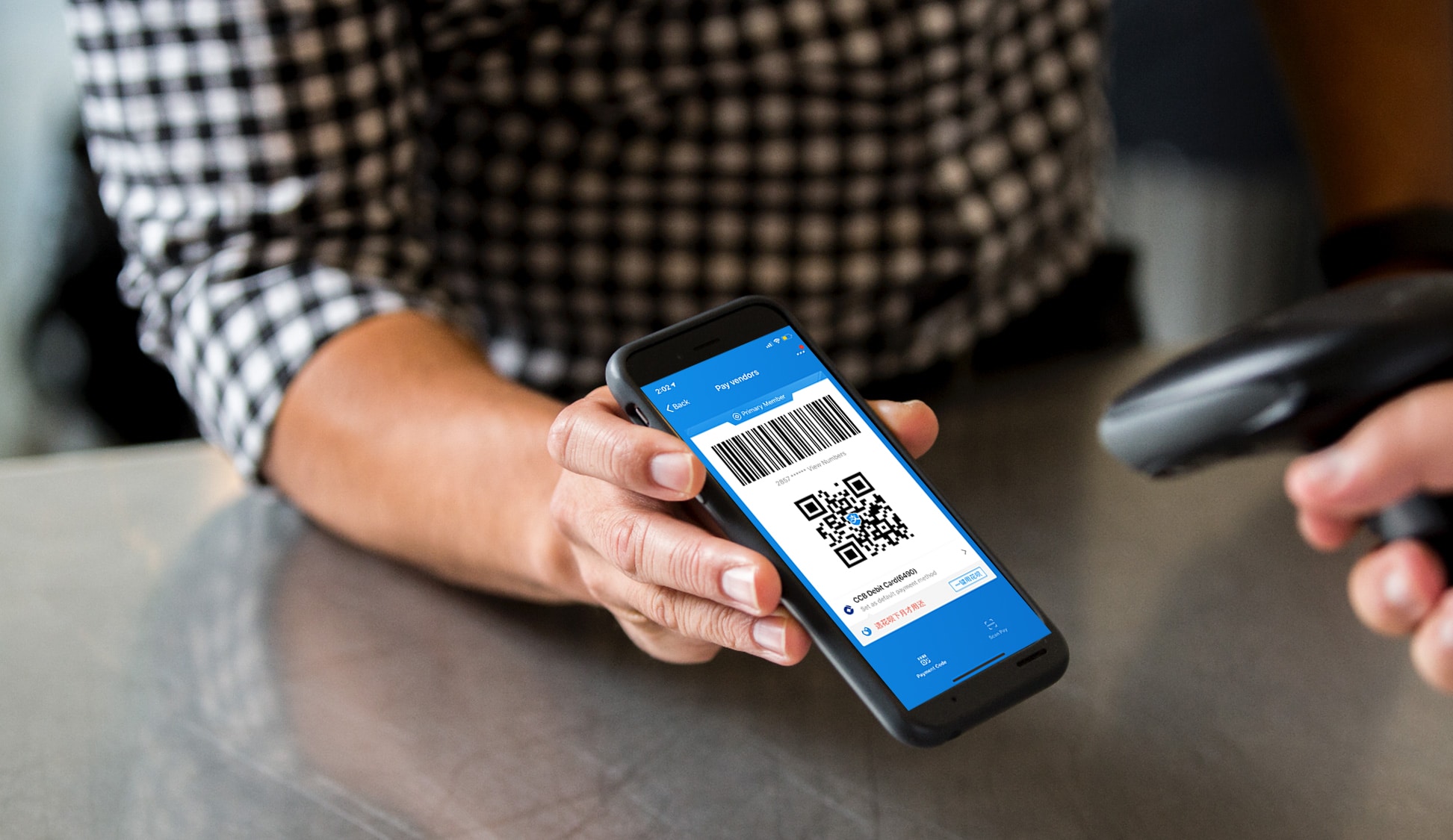
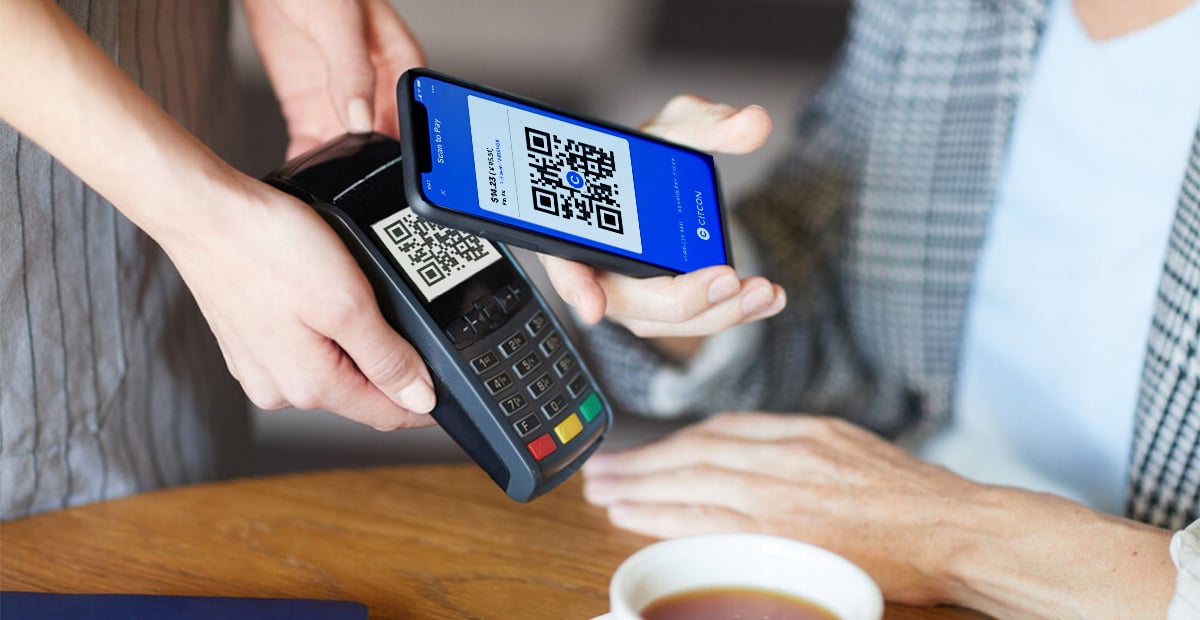
By 2030, digital wallets are expected to transform cross-border transactions, enabling seamless, fast, and secure payments for international businesses. These wallets will provide a unified approach to handling diverse currencies and compliance requirements, revolutionizing the landscape of global commerce.
The Rise of Digital Wallets
Digital wallets have grown exponentially, with Juniper Research predicting the number of global users to surpass 4 billion by 2024. This growth is fueled by consumer demand for convenience and security. As digital wallets evolve, they offer a promising solution for cross-border transactions, overcoming traditional banking limitations.
Breaking Down Barriers in Cross-Border Payments
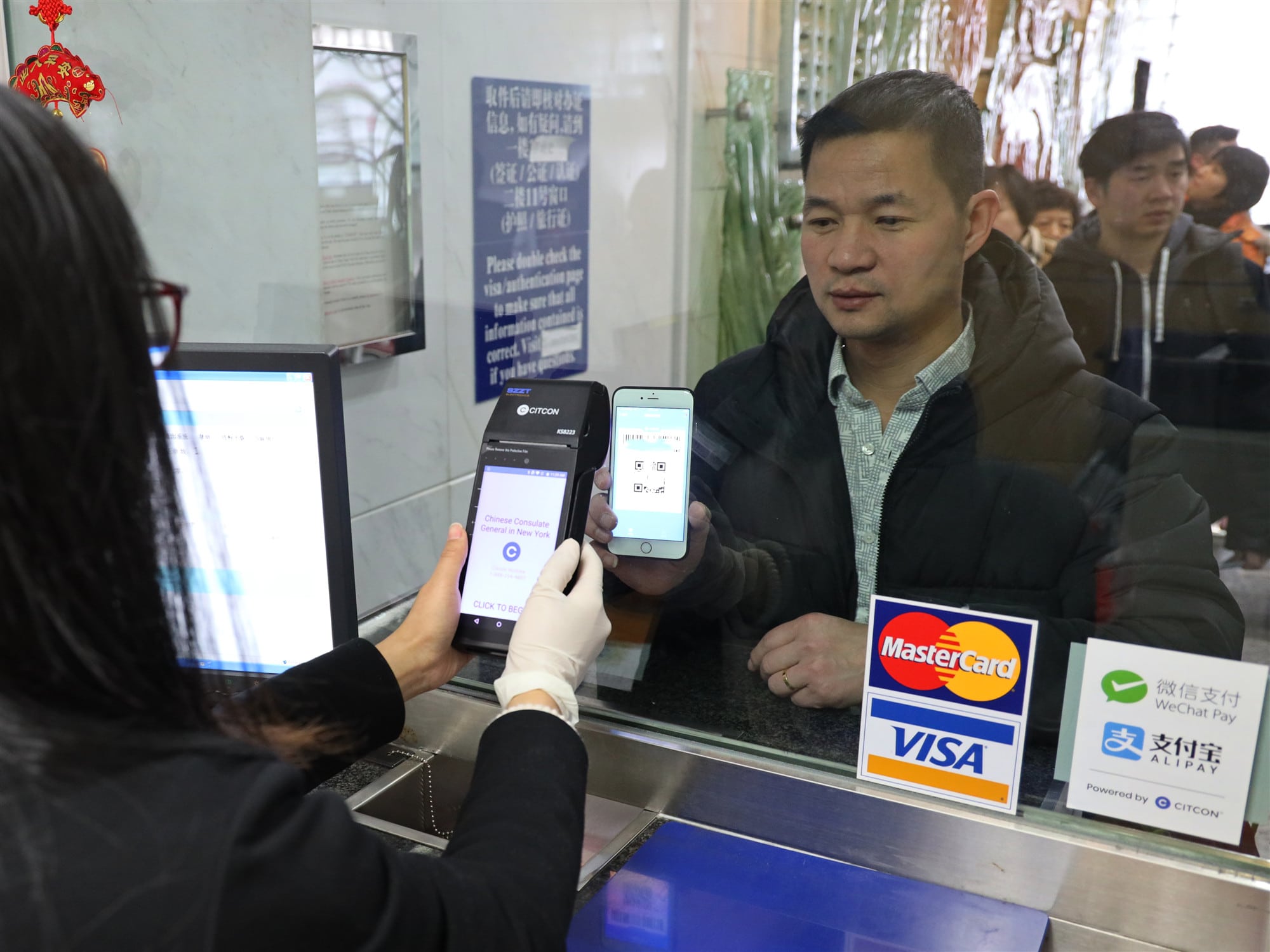
Cross-border transactions have historically been complex due to varying currencies, regulations, and processing times. Digital wallets simplify this process by offering real-time currency conversion and compliance checks. According to McKinsey, the integration of digital wallets could reduce transaction costs by up to 50%, making international trade more accessible.
Security and Compliance Enhancements
Security is a primary concern in cross-border transactions. Digital wallets provide enhanced security features like encryption and biometric authentication, ensuring safe transactions. Compliance with international regulatory standards is streamlined, reducing risks and ensuring smooth operations for businesses. As Visa highlights, digital wallets are pivotal in improving transaction transparency and fraud prevention.
Technological Advancements and Innovations
Technological advancements are at the forefront of digital wallet development. Blockchain technology, AI, and machine learning enhance transaction speed and accuracy. Statista reports that the integration of AI can optimize payment processes, providing insights into consumer behavior and improving transaction efficiency.
Future Trends and Predictions
By 2030, digital wallets are expected to dominate the payments landscape. The adoption of mobile and wearable technology will further drive their use. Worldpay forecasts that digital wallets will account for over 50% of e-commerce transactions globally, emphasizing their role in cross-border commerce.
FAQs on Digital Wallets and Cross-Border Transactions
What makes digital wallets suitable for cross-border transactions?
Digital wallets offer real-time currency conversion, enhanced security, and compliance with international standards, making them ideal for cross-border transactions.
How do digital wallets improve security?
They incorporate encryption, biometric authentication, and fraud detection technologies, ensuring secure transactions across borders.
Will digital wallets reduce transaction costs?
Yes, by simplifying processes and reducing the need for intermediaries, digital wallets can significantly lower transaction costs.
How do digital wallets handle currency exchange?
Digital wallets provide real-time currency conversion, allowing users to transact seamlessly in different currencies without manual exchange.
Are digital wallets compatible with existing banking systems?
Most digital wallets integrate with existing banking systems, offering a bridge between traditional and digital financial ecosystems.
What role does technology play in digital wallets?
Technology such as AI and blockchain enhances transaction speed, security, and efficiency, driving the evolution of digital wallets.
How can businesses prepare for the rise of digital wallets?
Businesses should invest in digital wallet integration, ensuring their payment systems are equipped for future trends and consumer preferences.
As digital wallets continue to revolutionize international payments, partnering with platforms like Citcon, which offers over 100 payment methods via a single API, can streamline operations and enhance global reach. Embrace the future of seamless cross-border transactions today.


.jpg)







.png)