The Future of Digital Wallets: Transforming Enterprise Payment Systems
WRITTEN BY

Dylan Coombs
Citcon
Commercial Leader
Date
Subscribe to our interesting updates
SHARE ON

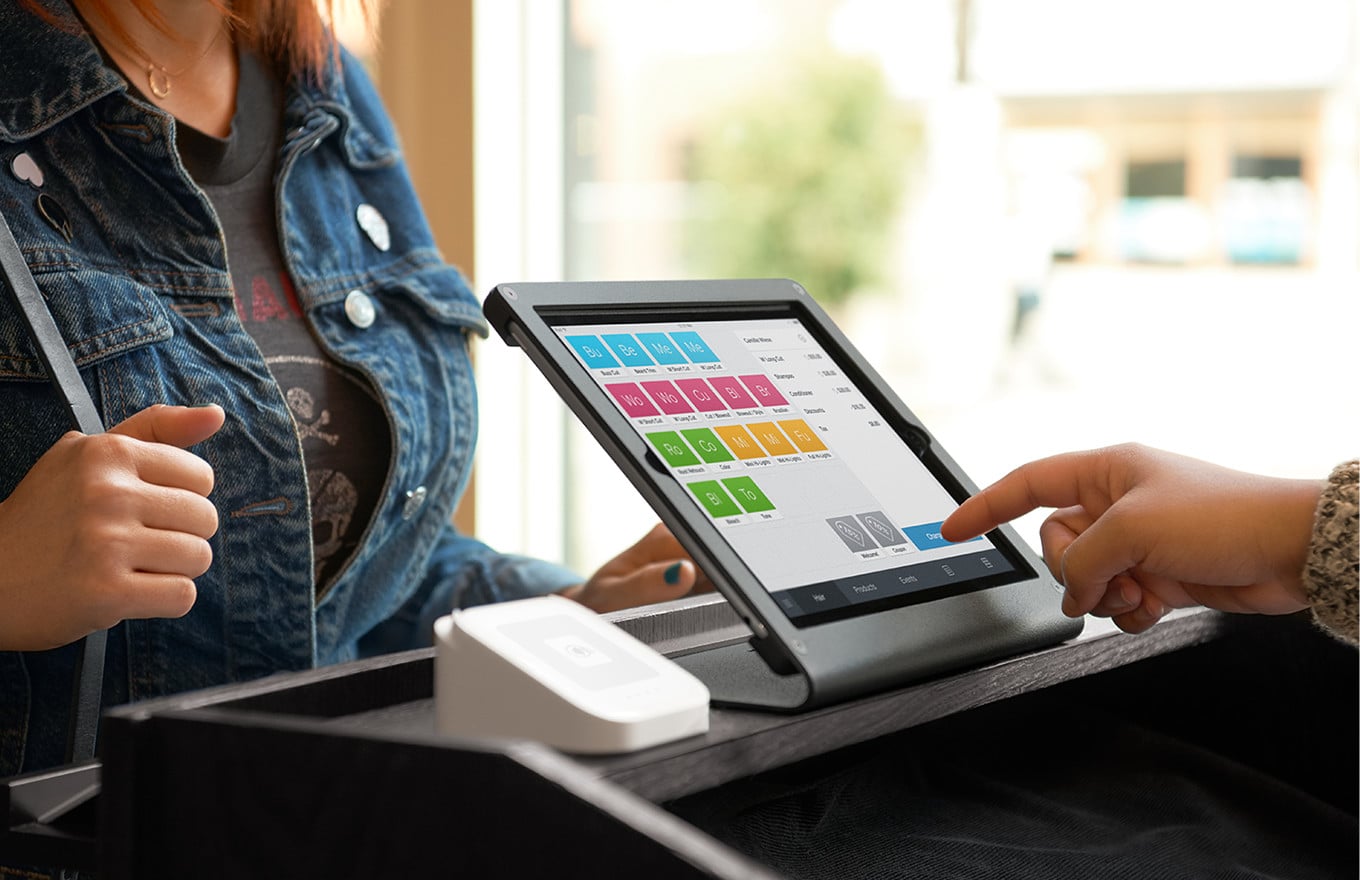
Digital wallets are rapidly transforming the landscape of enterprise payment systems. With increased consumer adoption, businesses must adapt to stay competitive and meet customer expectations.
The Rise of Digital Wallets
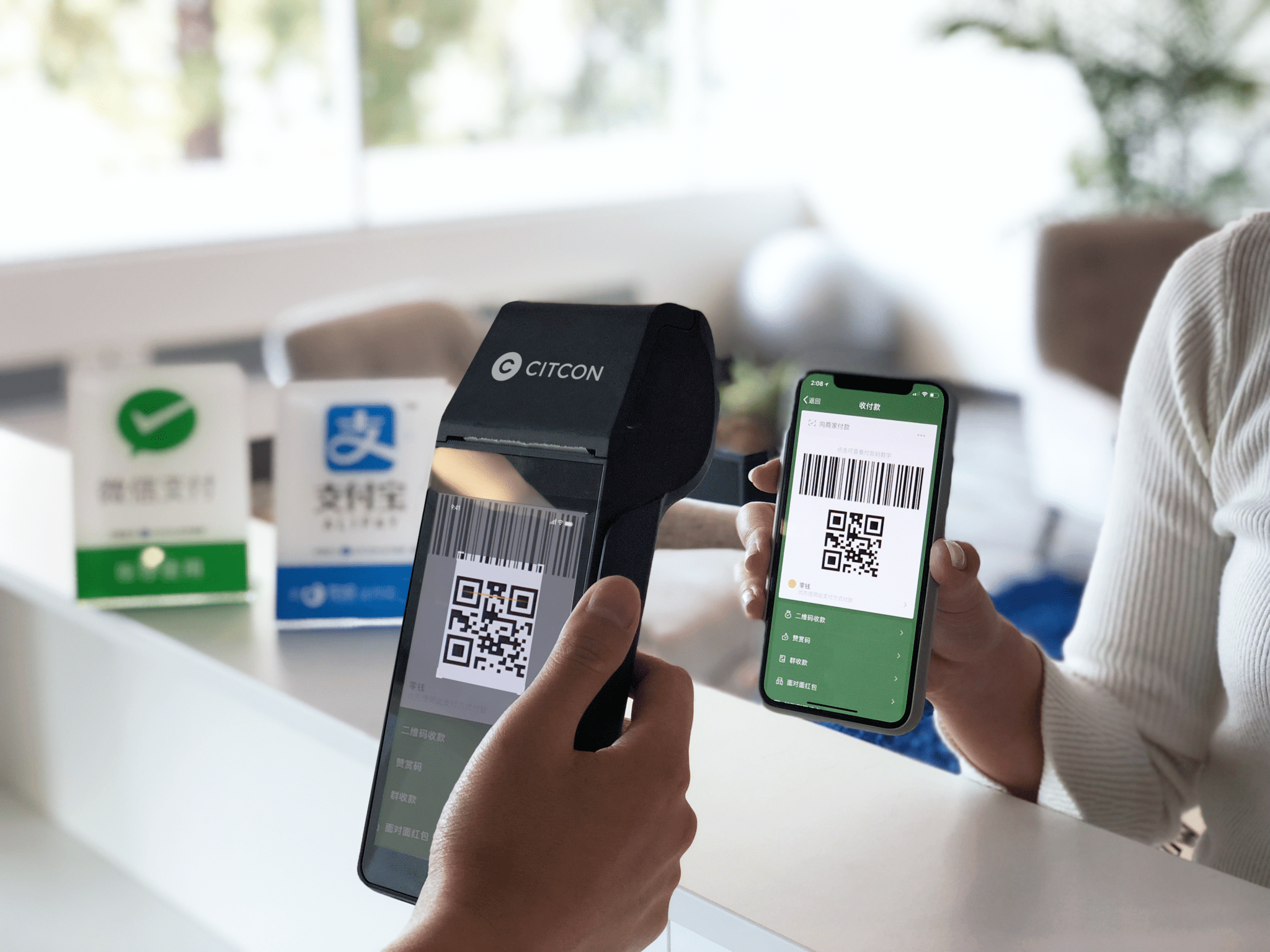
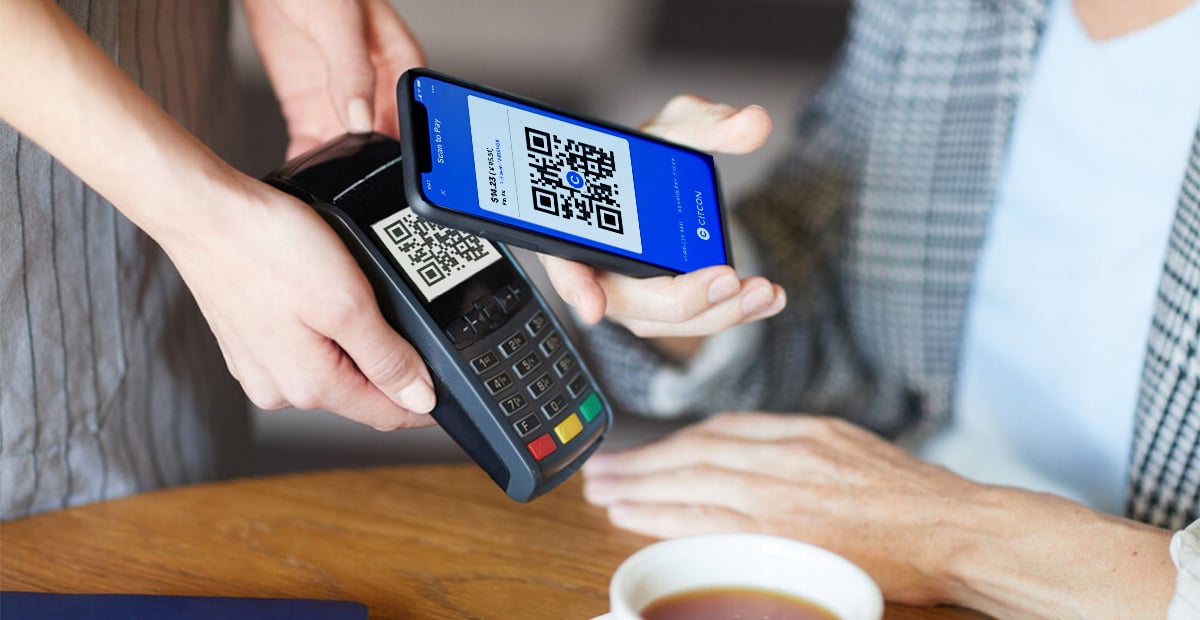
The adoption of digital wallets has surged, with Worldpay reporting over 2 billion users worldwide. This trend is driven by convenience, security, and increased smartphone penetration. Enterprises must integrate digital wallets into their payment systems to cater to a tech-savvy customer base.
Impact on Enterprise Payment Systems
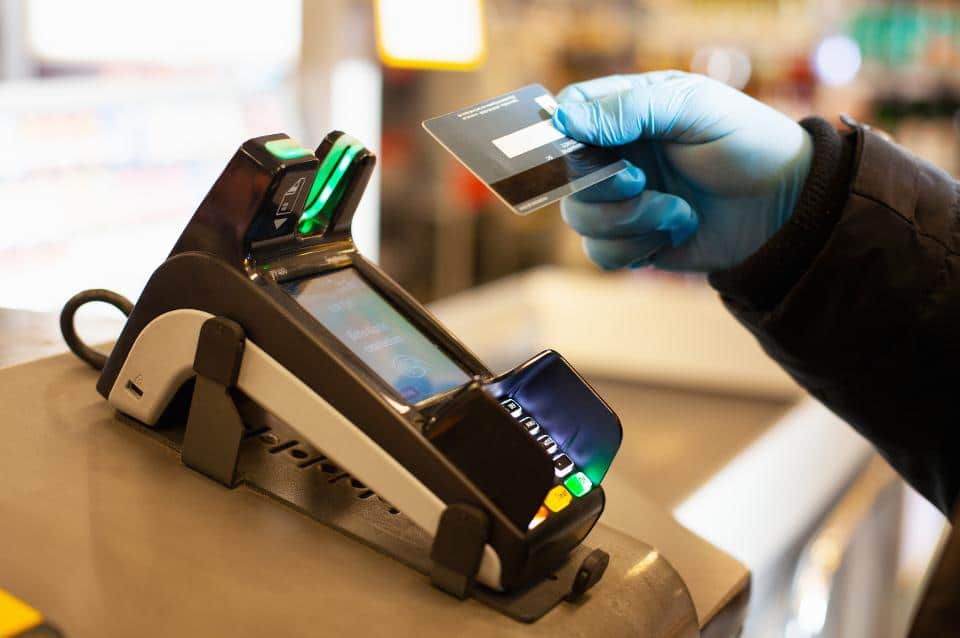
Digital wallets are reshaping enterprise payment systems by offering seamless transactions. According to McKinsey, businesses that adopt digital wallets can reduce transaction costs and improve cash flow management. This shift requires enterprises to update their payment infrastructure to support various wallet providers.
Security and Compliance Considerations
As digital wallets become widespread, security and compliance remain critical. Juniper Research highlights the need for robust encryption and authentication measures. Enterprises must comply with regulations to protect customer data and ensure secure transactions, which can be achieved through platforms like Citcon.
Integration with Existing Systems
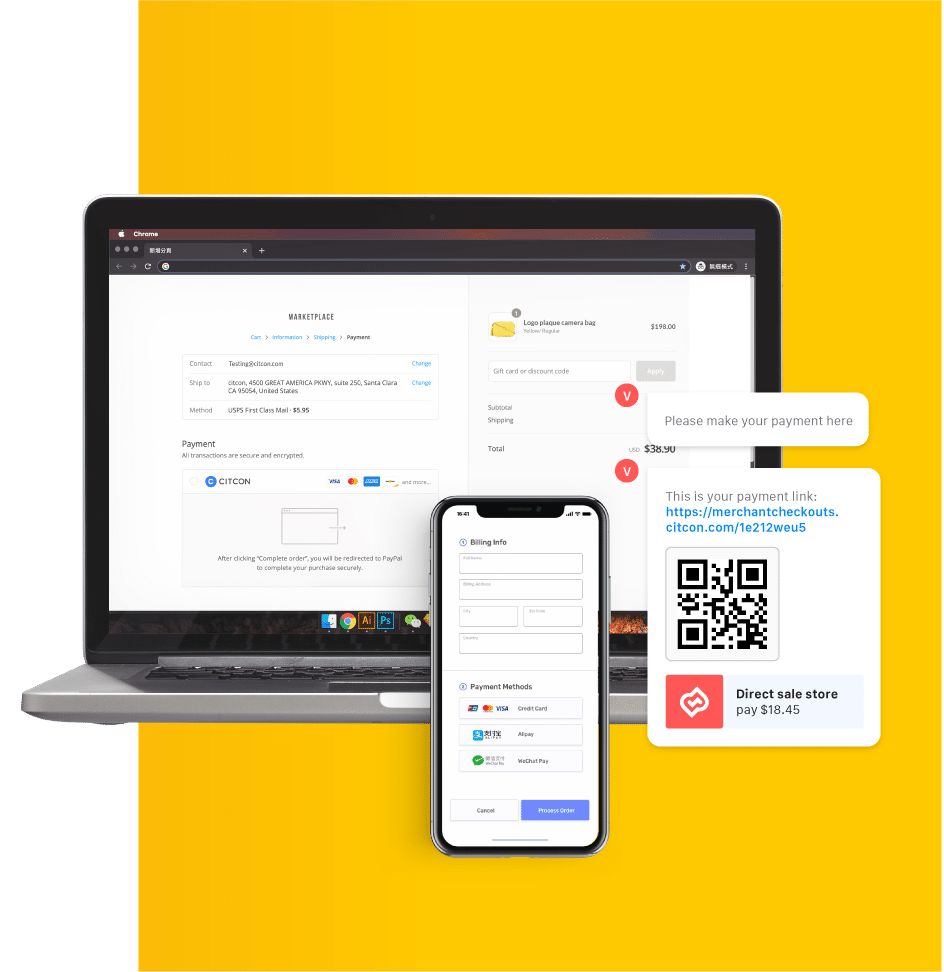
Integrating digital wallets with existing systems can be challenging. Enterprises must ensure compatibility with their current infrastructure while maintaining user experience. Statista suggests leveraging APIs for seamless integration, enabling businesses to offer multiple payment options without overhauling existing systems.
The Future of Digital Wallets in Enterprises
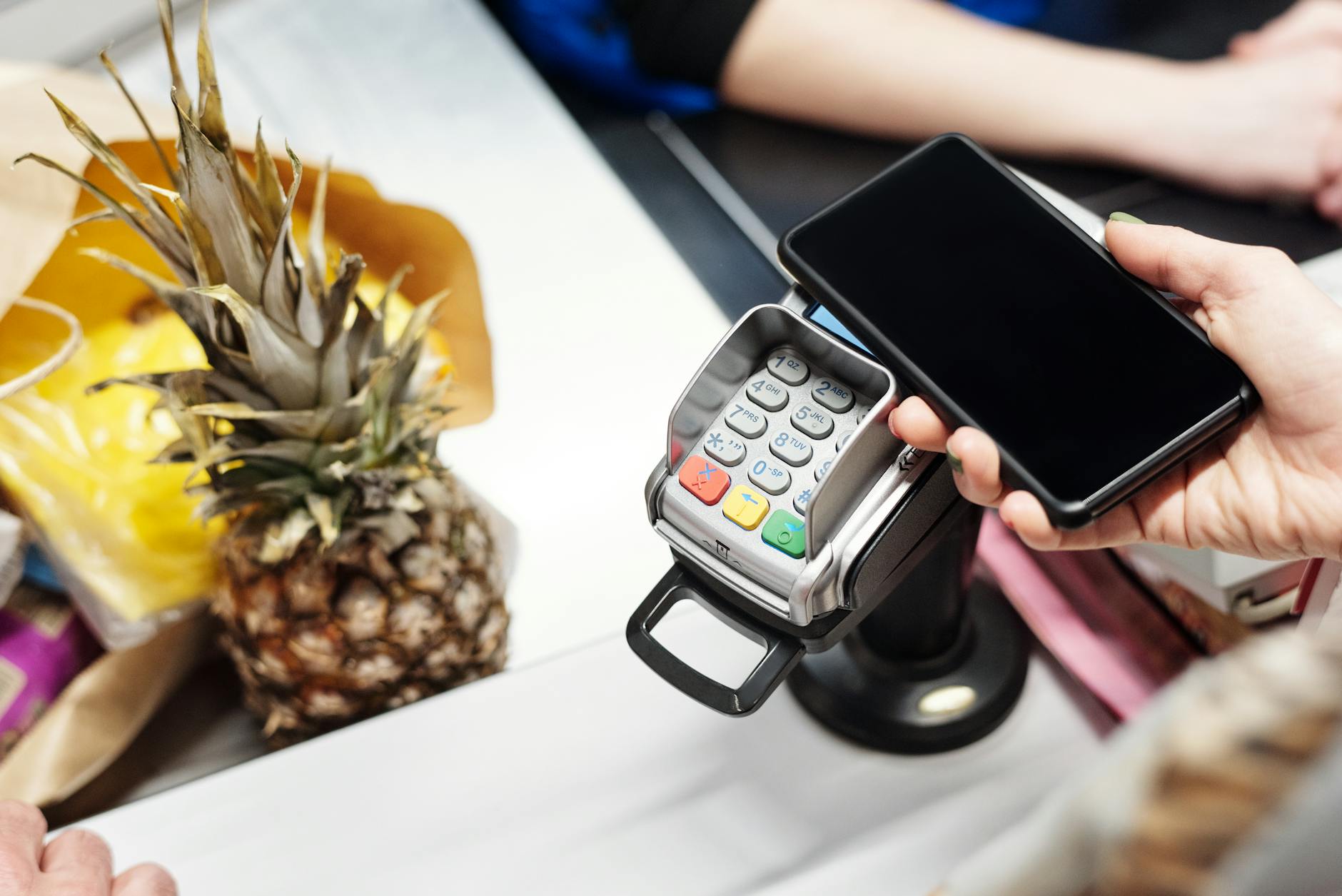
The future of digital wallets in enterprise payment systems looks promising. Visa predicts continued growth in mobile payments, driven by advancements in technology and consumer preferences. Enterprises must stay ahead by adopting flexible payment solutions that accommodate future trends.
FAQ
What are the key benefits of digital wallets for enterprises?
Digital wallets offer enhanced security, reduced transaction costs, and improved customer experience. They enable businesses to meet consumer demand for quick and convenient payments.
How do digital wallets ensure transaction security?
Digital wallets use encryption and authentication protocols to secure transactions. Enterprises must comply with industry standards to protect customer data.
Can digital wallets integrate with existing enterprise systems?
Yes, digital wallets can integrate with existing systems through APIs. This allows enterprises to offer diverse payment options without major infrastructure changes.
What challenges do enterprises face when adopting digital wallets?
Enterprises may face challenges such as ensuring system compatibility, maintaining security, and complying with regulations. Partnering with platforms like Citcon can help address these issues.
How will digital wallets evolve in the future?
Digital wallets will continue to evolve with advancements in technology and a growing consumer base. Enterprises should stay informed about trends to remain competitive.
Are digital wallets suitable for all businesses?
While digital wallets are beneficial for many businesses, suitability depends on customer demographics and business model. Enterprises should assess their specific needs and customer preferences.
What role does Citcon play in digital wallet adoption?
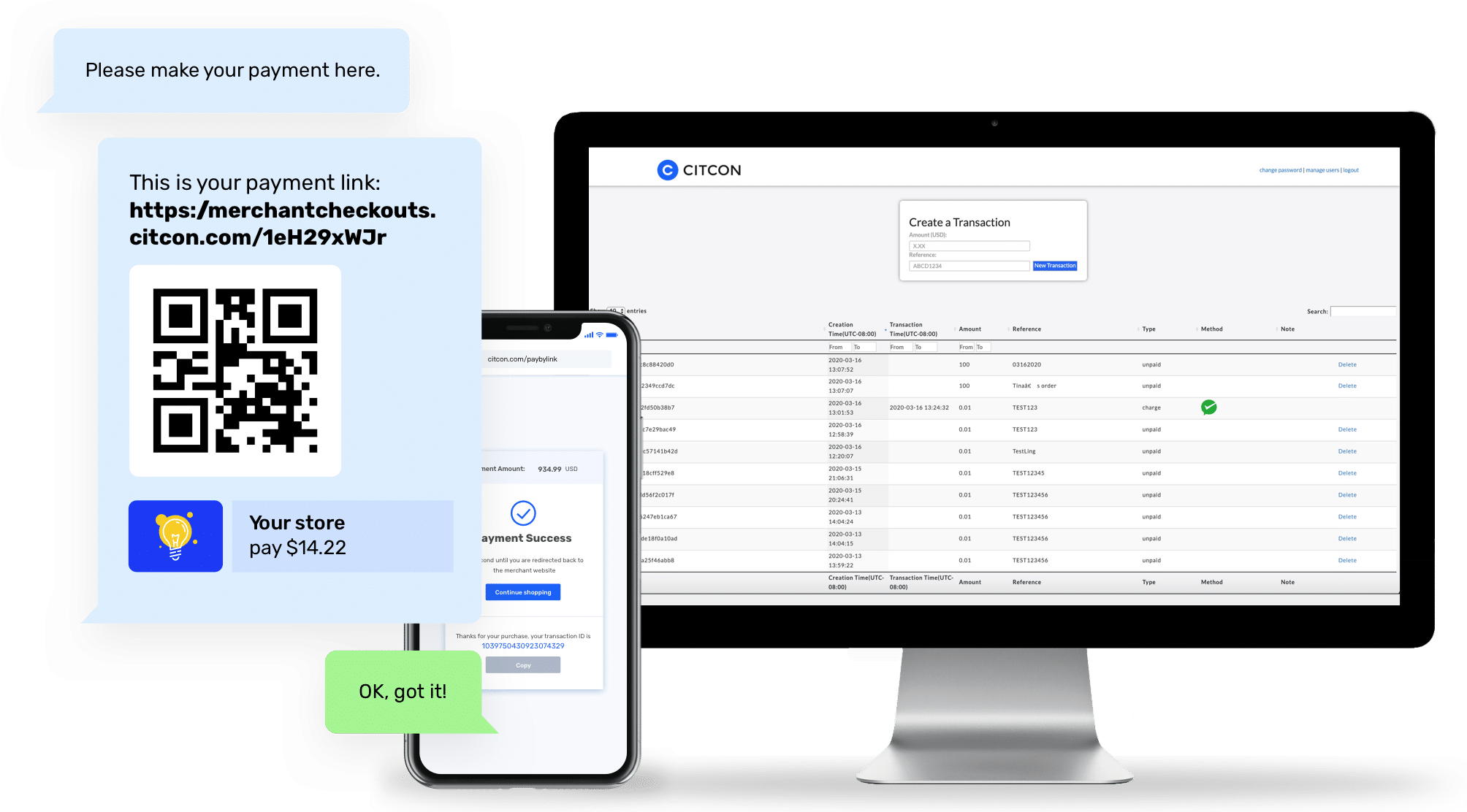
Citcon provides a unified platform for digital wallet adoption, offering over 100 payment methods via a single API. It helps enterprises streamline payment processes and maintain compliance.
As digital wallets continue to gain traction, enterprises must adapt their payment systems to remain competitive. Partnering with Citcon can streamline this transition, providing access to a wide range of payment methods and ensuring compliance. Stay ahead of the curve and embrace the digital wallet revolution.




.jpg)









.png)