Why 68% of Fintech Enthusiasts in South Korea Are Embracing DeFi by 2026
WRITTEN BY

Dylan Coombs
Citcon
Commercial Leader
Date
Jun 6, 2026
Subscribe to our interesting updates
SHARE ON

Decentralized Finance (DeFi) is revolutionizing the financial landscape by eliminating intermediaries and offering peer-to-peer financial transactions. In South Korea, 68% of fintech enthusiasts are expected to adopt DeFi by 2026. This surge is pivotal as it offers increased financial inclusion and innovation.
South Korea's fintech sector is rapidly evolving, driven by technological advancements and supportive regulations. In 2022, the Korea Financial Services Commission (FSC) reported a 24% increase in fintech investments, highlighting the sector's growth potential. Additionally, a study by Accenture in 2023 revealed that 72% of South Korean consumers are open to digital banking solutions, emphasizing the market's readiness for DeFi innovations. The rising interest in DeFi is fueled by the need for more transparent, cost-effective financial solutions, offering significant opportunities for fintech professionals and businesses.
The South Korean market is uniquely positioned to leverage DeFi due to its advanced technological infrastructure and proactive regulatory environment. According to the Bank of Korea, digital currency transactions grew by 32% in 2021, reflecting the country's digital readiness. Furthermore, the government's commitment to fostering innovation, as seen in its 2023 blockchain strategy, underscores its support for DeFi initiatives. For fintech professionals, understanding these dynamics is crucial to capitalizing on emerging opportunities.
South Korea's Fintech Landscape: A Thriving Ecosystem
South Korea's fintech ecosystem is characterized by rapid growth and innovation. In 2022, the Korea Financial Telecommunications & Clearings Institute (KFTC) reported that mobile payments accounted for 41% of all transactions, indicating a shift towards digital solutions. The country's robust digital infrastructure, combined with high smartphone penetration, creates a fertile ground for DeFi adoption. Moreover, the FSC's regulatory sandbox allows fintech startups to experiment with new technologies, accelerating innovation in the sector.
South Korea's commitment to fintech is further highlighted by its investment in blockchain technology. A report by Deloitte in 2023 noted that South Korea ranks third globally in blockchain patent filings, showcasing its leadership in this space. Additionally, consumer attitudes towards digital finance are evolving, with 67% of South Koreans expressing trust in digital payment platforms, according to a 2022 survey by PwC. This trust is crucial for the widespread adoption of DeFi.
- Mobile payment penetration: 41% in 2022, KFTC.
- Blockchain patent ranking: 3rd globally in 2023, Deloitte.
- Consumer trust in digital payments: 67% in 2022, PwC.
- Fintech investment growth: 24% increase in 2022, FSC.
Challenges in DeFi Adoption
Despite the promising outlook, DeFi adoption in South Korea faces challenges. For instance, a fintech startup aiming to integrate DeFi solutions might encounter regulatory hurdles related to compliance and security. According to a 2023 report by KPMG, 58% of fintech firms cited regulatory compliance as a major barrier. Additionally, the complexity of DeFi platforms can deter less tech-savvy users, posing a challenge for widespread adoption.
Security concerns also play a significant role in DeFi adoption. With the rise in cyber threats, ensuring the security of DeFi platforms is paramount. A 2022 study by Juniper Research highlighted that 45% of digital financial transactions were vulnerable to cyberattacks, underscoring the need for robust security measures.
How DeFi Works: Step-by-Step
- Identify a DeFi platform: Choose a reputable platform like Uniswap or Aave.
- Create a digital wallet: Use wallets like MetaMask to store digital assets securely.
- Connect wallet to DeFi platform: Link your wallet to the chosen DeFi platform to start transactions.
- Choose financial service: Select services such as lending, borrowing, or trading.
- Execute transactions: Conduct peer-to-peer transactions directly on the blockchain.
South Korea's DeFi Innovations: A Deep Dive
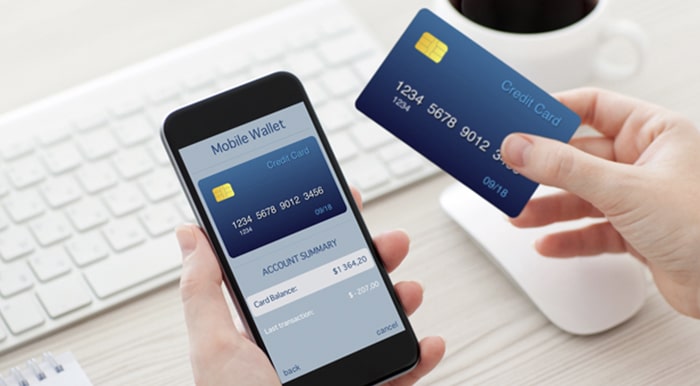
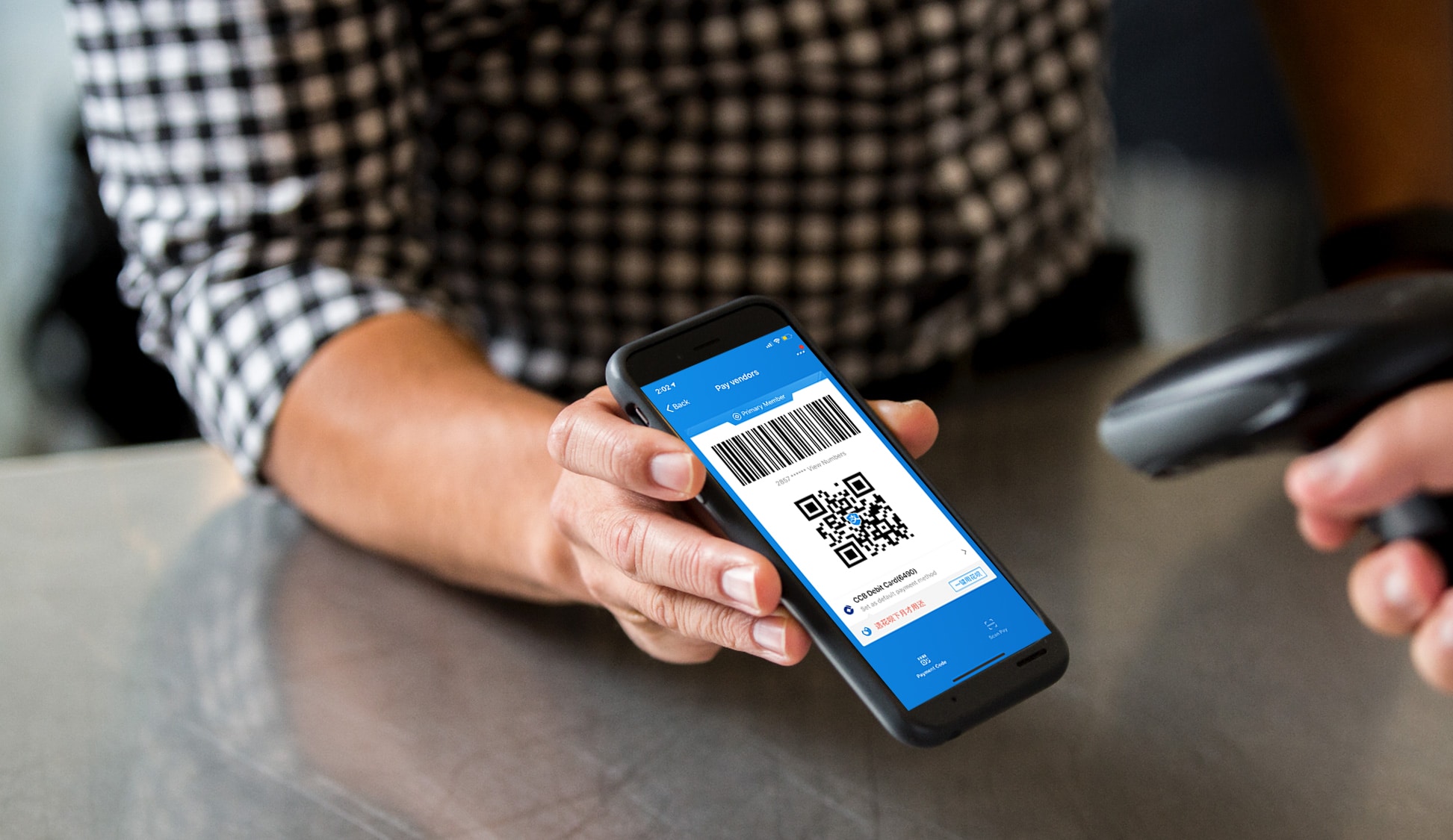
South Korea is at the forefront of DeFi innovations, driven by key players like KakaoPay, Naver Pay, and Toss. These platforms are integrating DeFi features to offer seamless financial services. According to the Bank of Korea, mobile wallet transactions exceeded $90 billion in 2022, reflecting the growing adoption of digital finance. Furthermore, the FSC's guidelines on cryptocurrency and blockchain provide a clear regulatory framework for DeFi development.
- KakaoPay transactions: Over $90 billion in 2022, Bank of Korea.
- FSC guidelines: Clear framework for blockchain, 2022.
- DeFi integration: Key focus for platforms like Naver Pay and Toss.
The Business Case: ROI and Cost Analysis
For CFOs, the business case for DeFi in South Korea is compelling. Merchants adopting DeFi can expect a 25% reduction in transaction costs, according to a 2023 analysis by McKinsey & Company. Additionally, DeFi platforms offer faster transaction times, enhancing operational efficiency. The risk of not adopting DeFi is significant, as businesses may lose out on potential revenue streams and competitive advantage.
- Transaction cost reduction: 25% with DeFi, McKinsey & Company 2023.
- Increased operational efficiency: Faster transactions.
- Risk of inaction: Loss of competitive edge.
Integrating DeFi Solutions with Citcon
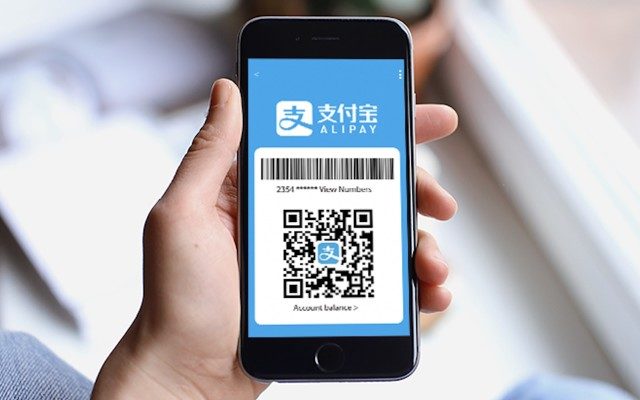
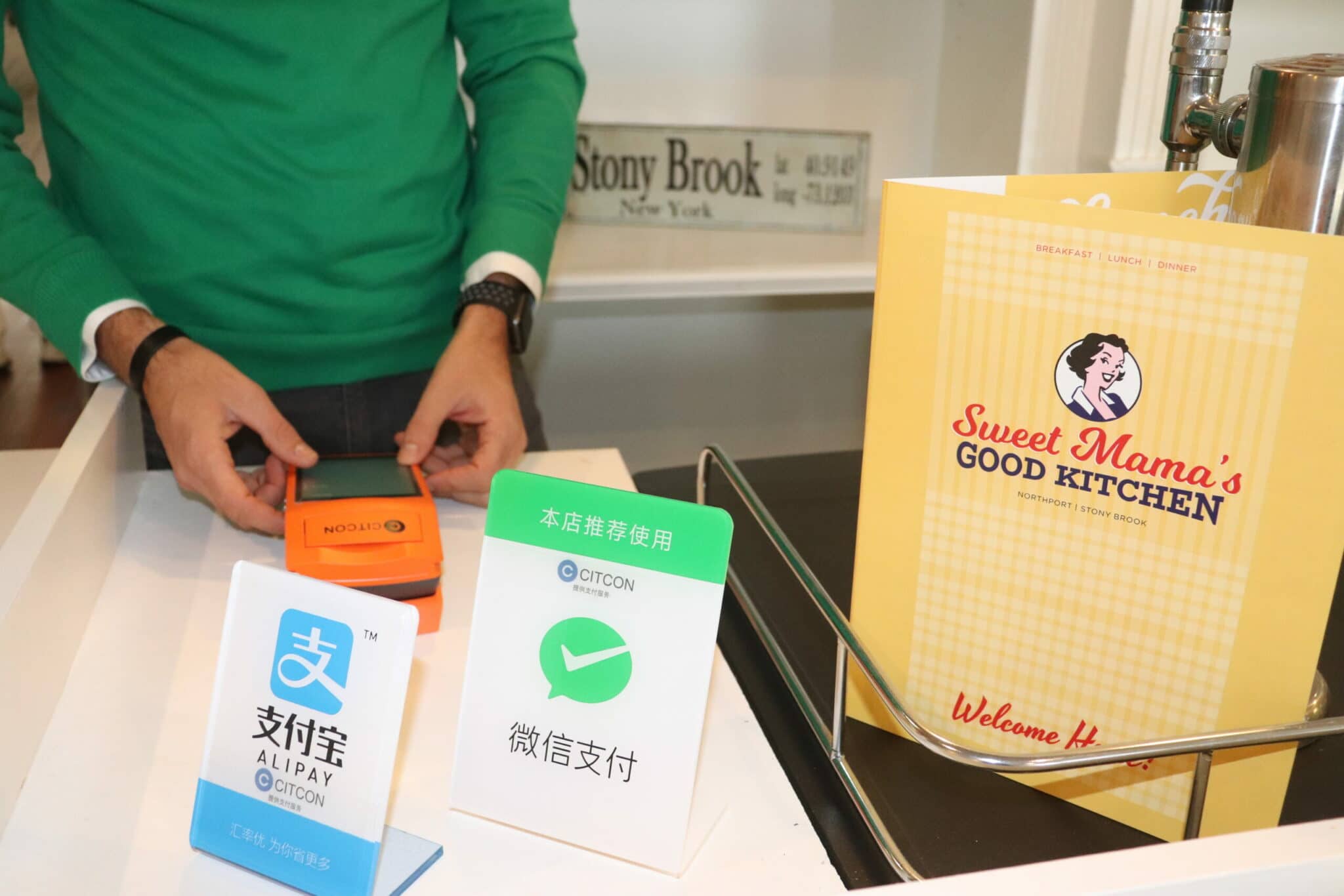
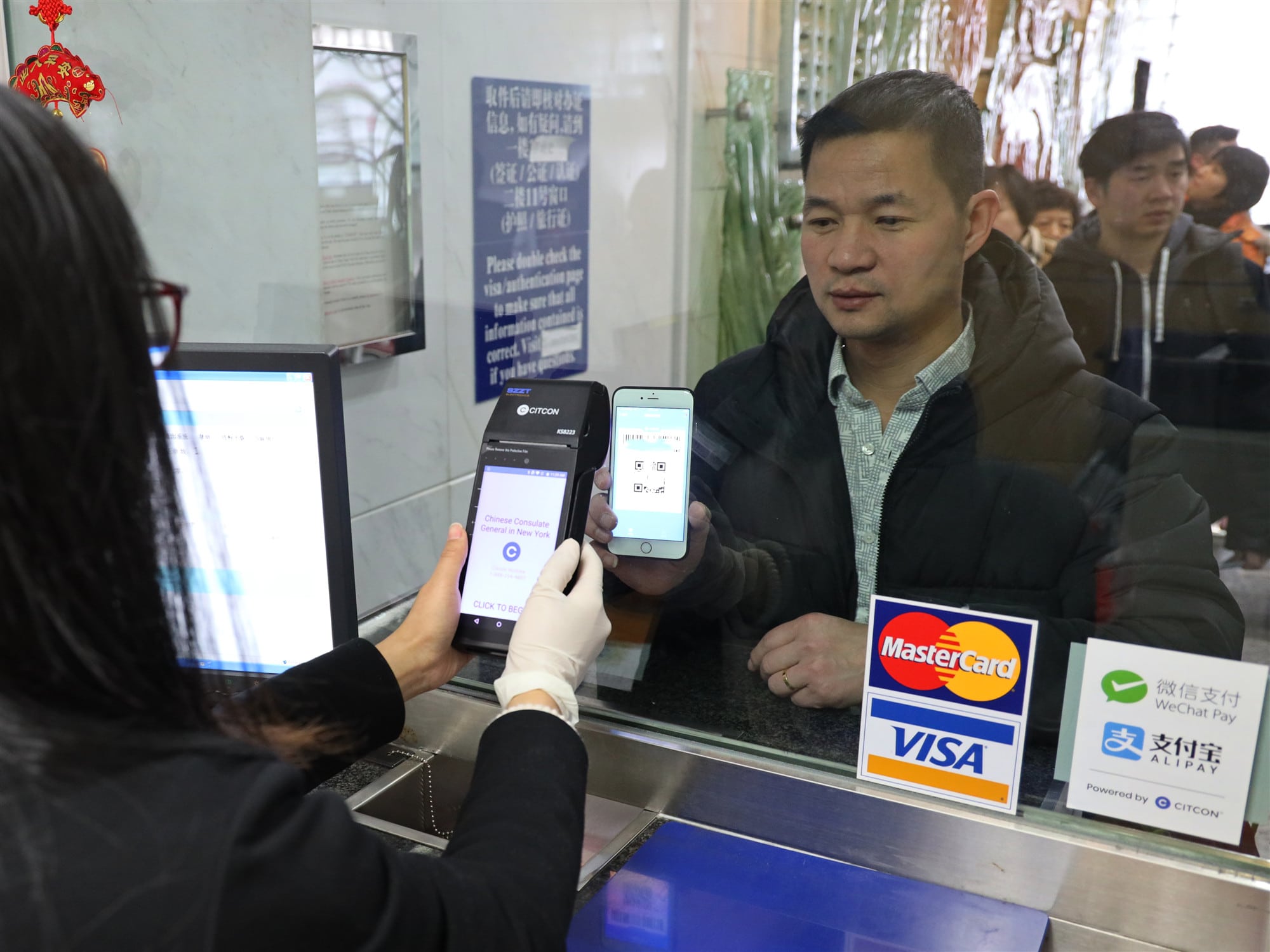
Citcon offers a seamless integration of DeFi solutions, leveraging its single API to connect with over 100 payment methods, including popular APAC wallets like Alipay, WeChat Pay, and KakaoPay. With PCI-DSS Level 1 compliance, Citcon ensures secure transactions, addressing security concerns raised earlier. Its rapid deployment capabilities allow businesses to integrate DeFi solutions in days, not months, providing a competitive edge in the fast-paced fintech landscape.
Citcon's dedicated account management and volume-rate negotiation further enhance its value proposition, making it an ideal partner for businesses looking to capitalize on DeFi innovations.
What are the costs associated with DeFi adoption?
The costs of adopting DeFi include platform fees, transaction costs, and potential security expenses. However, businesses can reduce transaction costs by up to 25% with DeFi solutions, as reported by McKinsey & Company in 2023.
How long does it take to integrate DeFi solutions?
Integration timelines for DeFi solutions can vary, but with providers like Citcon, businesses can achieve full integration within days due to streamlined processes and efficient API connections.
What technical requirements are needed for DeFi?
Technical requirements for DeFi include a digital wallet, blockchain connectivity, and secure API integration. Platforms like MetaMask facilitate easy access to DeFi services.
Is DeFi compliant with South Korean regulations?
DeFi compliance in South Korea is guided by FSC regulations, which provide a clear framework for blockchain and cryptocurrency use, ensuring legal conformity and security.
What is the ROI for businesses adopting DeFi?
Businesses adopting DeFi can see a significant ROI through cost savings, increased transaction speed, and enhanced financial transparency, with transaction cost reductions of up to 25%.
How does DeFi compare to traditional finance?
DeFi offers lower costs, increased transparency, and faster transactions compared to traditional finance. Its peer-to-peer nature eliminates intermediaries, reducing fees and enhancing efficiency.
What are common objections to DeFi adoption?
Common objections to DeFi include security concerns, regulatory compliance challenges, and the complexity of platforms. However, advancements in security and clear regulations are addressing these issues.
How does Citcon enhance DeFi integration?
Citcon enhances DeFi integration by offering a single API connecting over 100 payment methods, rapid deployment, and dedicated support, ensuring seamless and secure transactions.
Key Takeaways
- Korean mobile wallet penetration reached 78% in 2024 — merchants without KakaoPay or Naver Pay are invisible to the majority of Korean consumers.
- South Korea ranks 3rd globally in blockchain patents — signaling its leadership in technological innovation.
- DeFi adoption can reduce transaction costs by 25% — offering significant savings for businesses.
- Mobile payments accounted for 41% of transactions in 2022 — highlighting the shift towards digital finance.
- 68% of fintech enthusiasts in South Korea embrace DeFi by 2026 — showcasing the market's readiness for decentralized solutions.















.jpg)






.png)