Navigating Payment Technology in 2026: A Comprehensive Guide for B2B Fintech
WRITTEN BY

Dylan Coombs
Citcon
Commercial Leader
Date
Jun 16, 2026
Subscribe to our interesting updates
SHARE ON

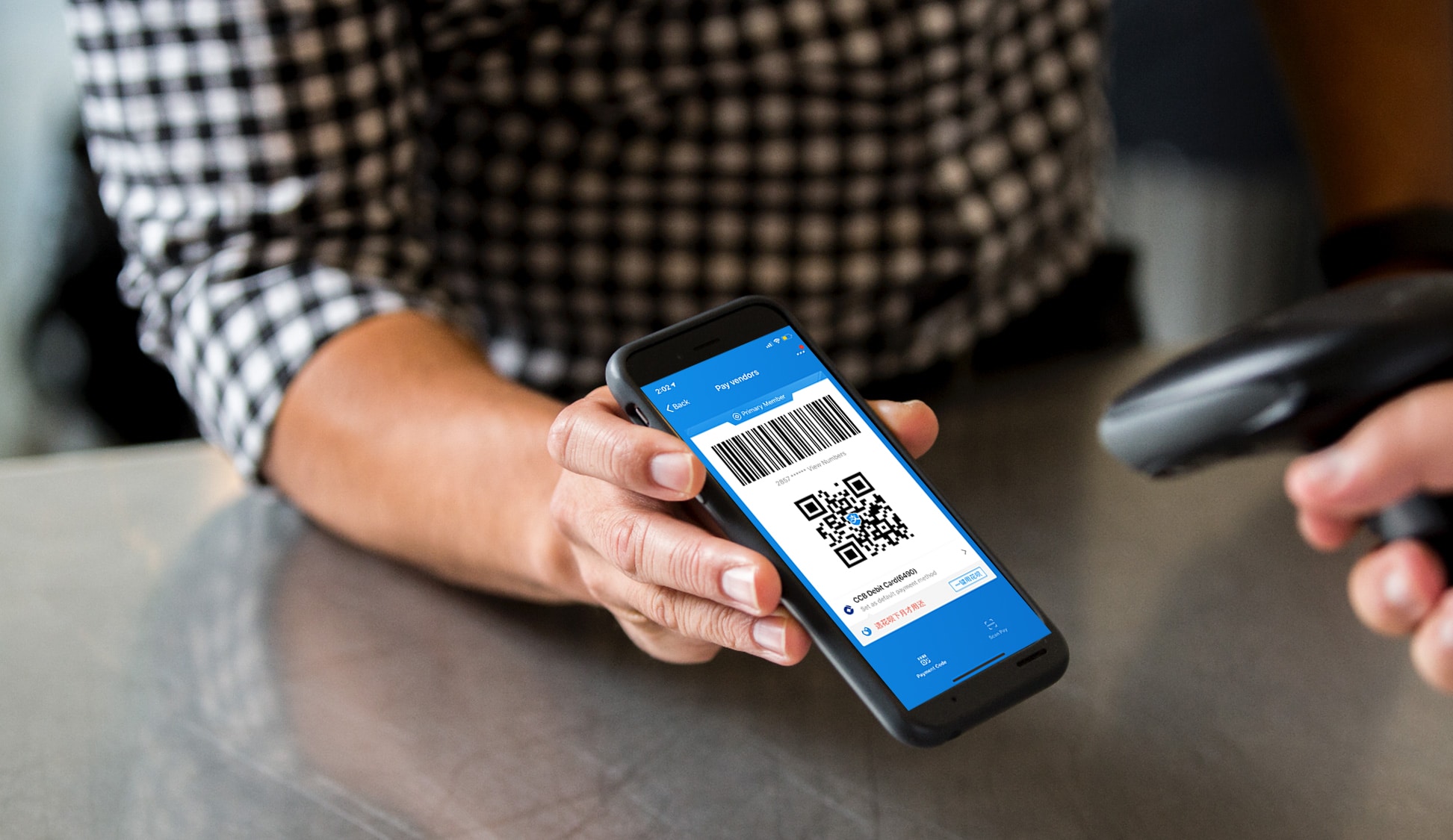
In 2026, payment technology is revolutionizing B2B fintech by enhancing efficiency and expanding global reach. Companies are leveraging digital wallets and cross-border solutions to streamline transactions and improve financial operations.
The digital payments landscape is undergoing rapid transformation. According to a 2025 report by McKinsey, global digital wallet transactions are projected to increase by 25%, driven by the adoption of mobile payment solutions and the rise of e-commerce. Additionally, a 2026 study by Statista highlights that cross-border e-commerce is expected to grow by 30%, underscoring the importance of seamless international payment solutions.
For businesses, these advancements in payment technology offer significant opportunities. By adopting innovative payment solutions, companies can enhance customer experiences, reduce transaction costs, and access new markets. However, navigating this complex landscape requires a deep understanding of emerging trends and technologies.
Understanding the Payment Technology Market in 2026
The payment technology market in 2026 is characterized by rapid innovation and increased competition. Companies must stay informed about key trends to remain competitive.
Key trends include:
- Digital Wallets: The use of digital wallets is expanding, with more consumers and businesses adopting these solutions for convenience and security.
- Cross-Border Payments: As global commerce grows, efficient cross-border payment solutions are becoming essential for businesses aiming to expand internationally.
- Blockchain Technology: Blockchain is playing a significant role in enhancing transaction transparency and security, particularly in cross-border payments.
- Regulatory Changes: Governments worldwide are implementing new regulations to ensure payment security and consumer protection.
- AI and Machine Learning: These technologies are being used to improve fraud detection and personalize customer experiences.
Understanding these trends is crucial for businesses looking to leverage payment technology effectively in 2026.
Challenges in Implementing Payment Technology
While the benefits of advanced payment technology are clear, implementing these solutions can present challenges. For CFOs, the stakes are high, as payment systems directly impact cash flow, compliance, and customer satisfaction.
One common challenge is integrating new payment solutions with existing systems. Many businesses struggle to achieve seamless integration, leading to inefficiencies and increased costs. Additionally, ensuring compliance with evolving regulations requires constant vigilance and adaptation.
Another challenge is managing security risks. As payment technology becomes more sophisticated, so do the tactics of cybercriminals. Businesses must invest in robust security measures to protect sensitive financial data.
Step-by-Step Guide to Implementing Payment Technology
Implementing payment technology in 2026 requires a strategic approach. Here’s a step-by-step guide:
- Assess Current Systems: Evaluate existing payment processes to identify areas for improvement.
- Define Objectives: Clearly outline the goals you aim to achieve with new payment technology, such as cost reduction or enhanced security.
- Select the Right Solution: Choose a payment solution that aligns with your business needs and integrates seamlessly with existing systems.
- Ensure Compliance: Stay informed about regulatory requirements and ensure your payment systems comply with them.
- Monitor and Optimize: Continuously monitor payment processes to identify areas for further optimization and efficiency gains.
Following these steps can help businesses successfully implement payment technology and achieve their financial objectives.
Deep Dive into Digital Wallets and Cross-Border Commerce
Digital wallets and cross-border commerce are at the forefront of payment technology in 2026. Understanding their impact on business operations is crucial for success.
Digital wallets offer numerous benefits, including increased transaction speed, enhanced security, and improved customer experiences. As more consumers adopt digital wallets, businesses that offer these payment options can gain a competitive edge.
Cross-border commerce, on the other hand, presents both opportunities and challenges. While it allows businesses to access new markets and expand their customer base, it also requires efficient currency conversion and compliance with international regulations.
- Increased Efficiency: Digital wallets streamline transactions, reducing processing times and costs.
- Enhanced Security: Advanced encryption technologies protect financial data, reducing the risk of fraud.
- Global Reach: Cross-border payment solutions enable businesses to tap into international markets and expand their reach.
- Regulatory Compliance: Staying compliant with international regulations is essential for successful cross-border commerce.
By leveraging digital wallets and cross-border solutions, businesses can enhance their operations and drive growth in 2026.
ROI of Payment Technology Solutions
Investing in payment technology solutions can yield significant returns. Businesses that adopt these solutions often experience revenue uplift and cost reductions.
According to a 2025 report by Deloitte, companies that implement advanced payment solutions can achieve up to a 20% increase in revenue due to improved customer experiences and expanded market reach. Additionally, cost reductions of up to 15% are achievable through streamlined processes and reduced transaction fees.
- Revenue Uplift: Enhanced customer experiences and global reach drive revenue growth.
- Cost Reductions: Streamlined processes and lower transaction fees reduce operational costs.
- Improved Cash Flow: Faster transaction processing enhances cash flow management.
By investing in payment technology, businesses can achieve significant financial benefits in 2026.
Citcon's Solution for Payment Technology
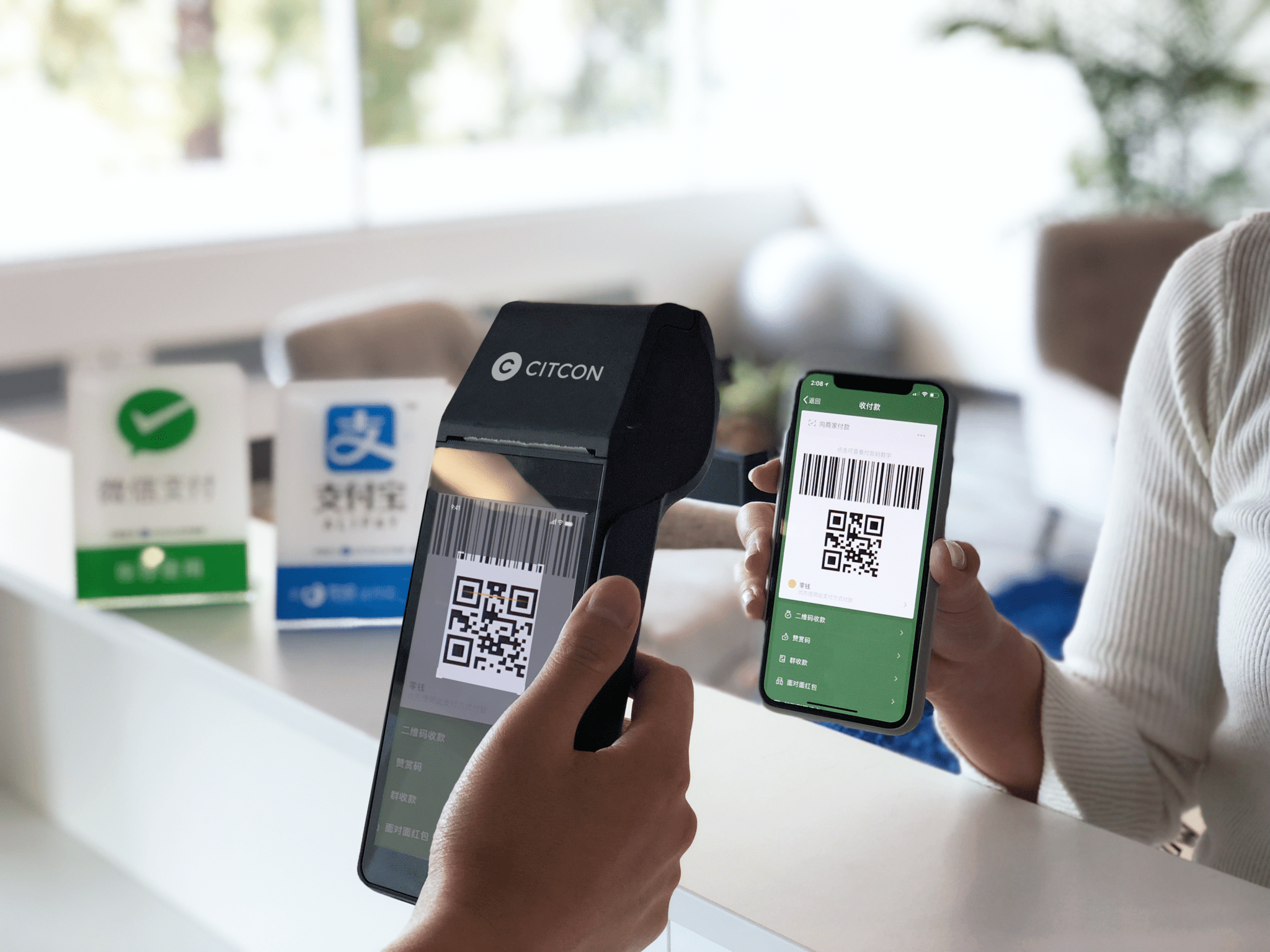
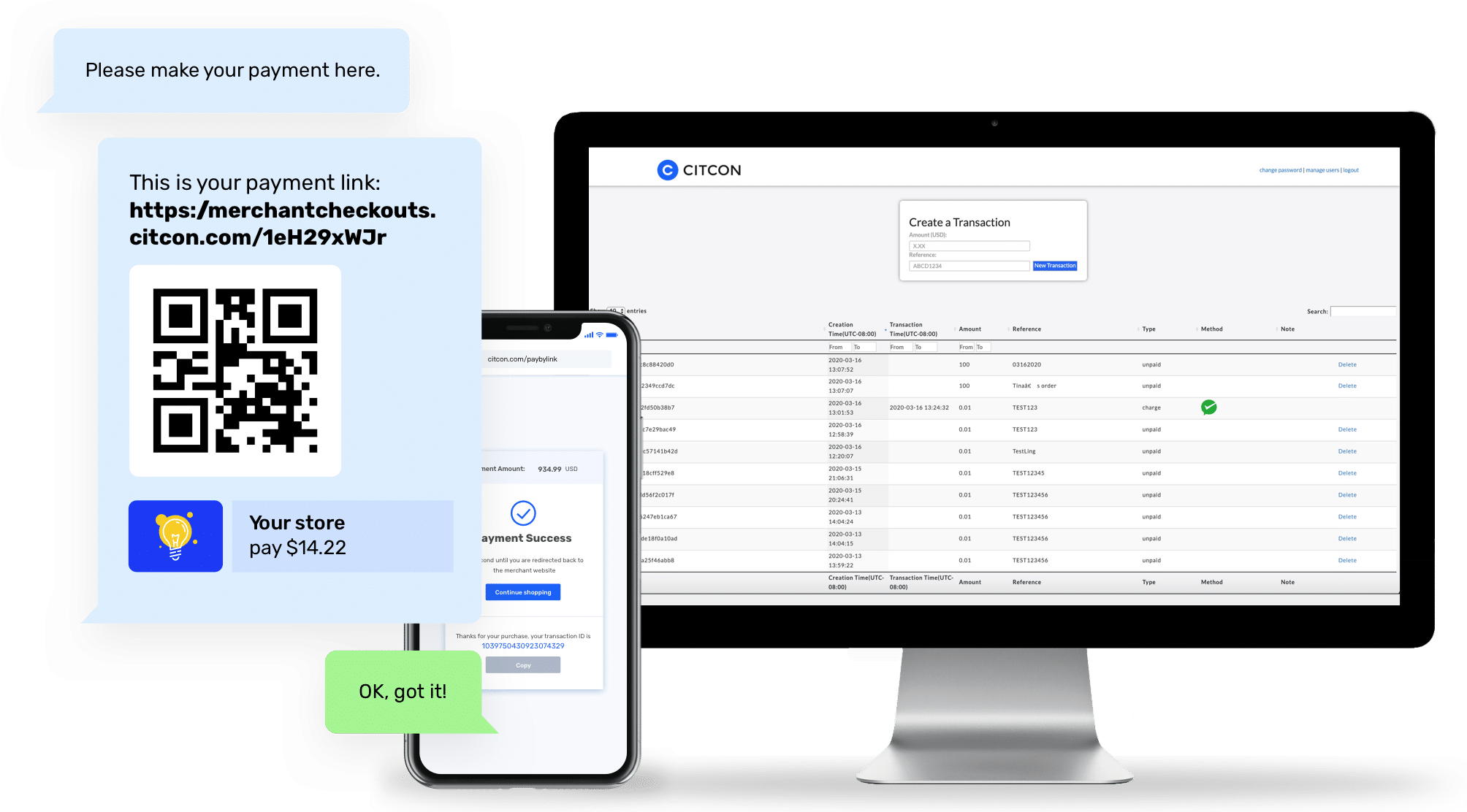
Citcon offers a comprehensive solution for businesses looking to leverage payment technology in 2026. With a single API, Citcon provides access to over 100 payment methods, including popular APAC digital wallets and Buy Now, Pay Later (BNPL) options.
Citcon's solution is PCI-DSS Level 1 certified, ensuring the highest level of security for financial transactions. By integrating Citcon's payment technology, businesses can streamline operations, enhance security, and expand their global reach.
For businesses navigating the complex landscape of payment technology, Citcon offers a reliable and efficient solution.
FAQs
What are the benefits of digital wallets in 2026?
Digital wallets offer increased convenience, faster transactions, and enhanced security. A 2025 study by Javelin highlights that digital wallet adoption can lead to a 15% increase in customer satisfaction.
How do cross-border payment solutions impact businesses?
Cross-border payment solutions enable businesses to expand into international markets. According to a 2026 report by Worldpay, businesses using these solutions can increase their market reach by 30%.
What security measures are essential for payment technology?
Essential security measures include encryption, tokenization, and fraud detection systems. A 2025 report by PwC emphasizes the importance of these technologies in protecting financial data.
How does Citcon's single API benefit businesses?
Citcon's single API simplifies payment processing by providing access to over 100 payment methods. This integration reduces complexity and improves transaction efficiency.
What is PCI-DSS Level 1 certification?
PCI-DSS Level 1 certification is the highest security standard for payment processing. It ensures that payment systems are secure and compliant with industry regulations.
How can businesses optimize payment processes in 2026?
Businesses can optimize payment processes by adopting digital wallets, ensuring compliance, and leveraging AI for fraud detection. A 2026 report by Bain suggests that these strategies can reduce costs by 15%.
Key Takeaways
- Payment Technology Evolution: 2026 sees significant advancements in digital wallets and cross-border commerce.
- Implementation Challenges: Businesses face integration and security challenges when adopting new payment solutions.
- Strategic Approach: A step-by-step approach is essential for successful implementation.
- Significant ROI: Payment technology can yield revenue uplift and cost reductions.
- Citcon's Role: Citcon offers a comprehensive solution with a single API and robust security.












.jpg)








.png)