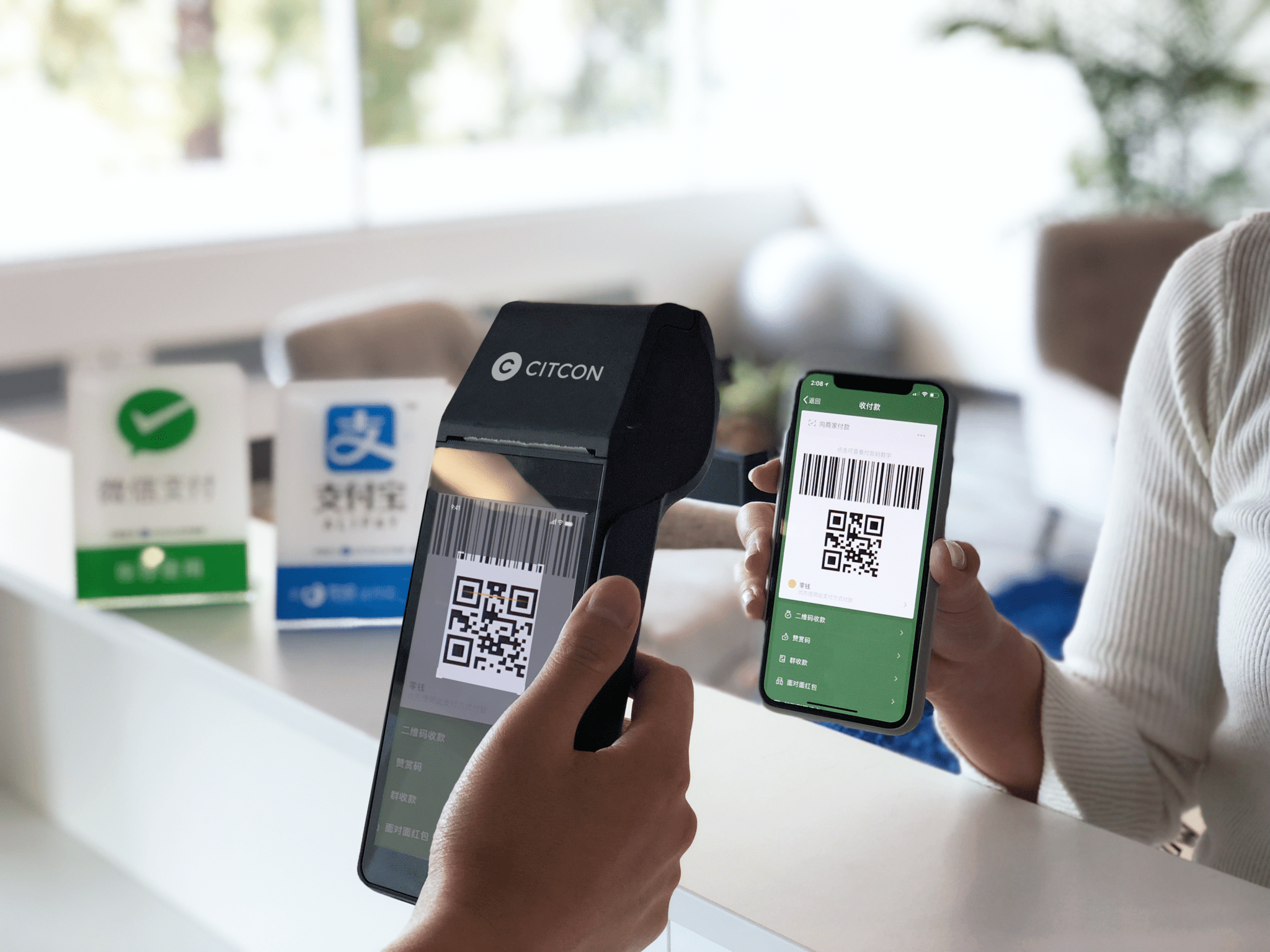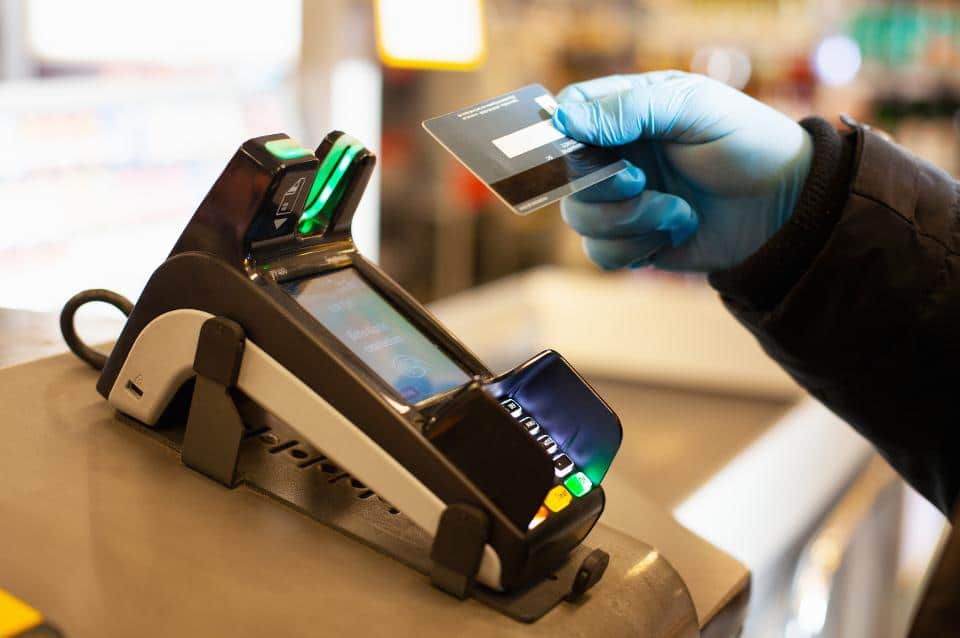
5 Reasons Businesses Need APAC Wallet Integration in 2023
WRITTEN BY

Dylan Coombs
Citcon
Commercial Leader
Date
Jun 12, 2026
Subscribe to our interesting updates
SHARE ON

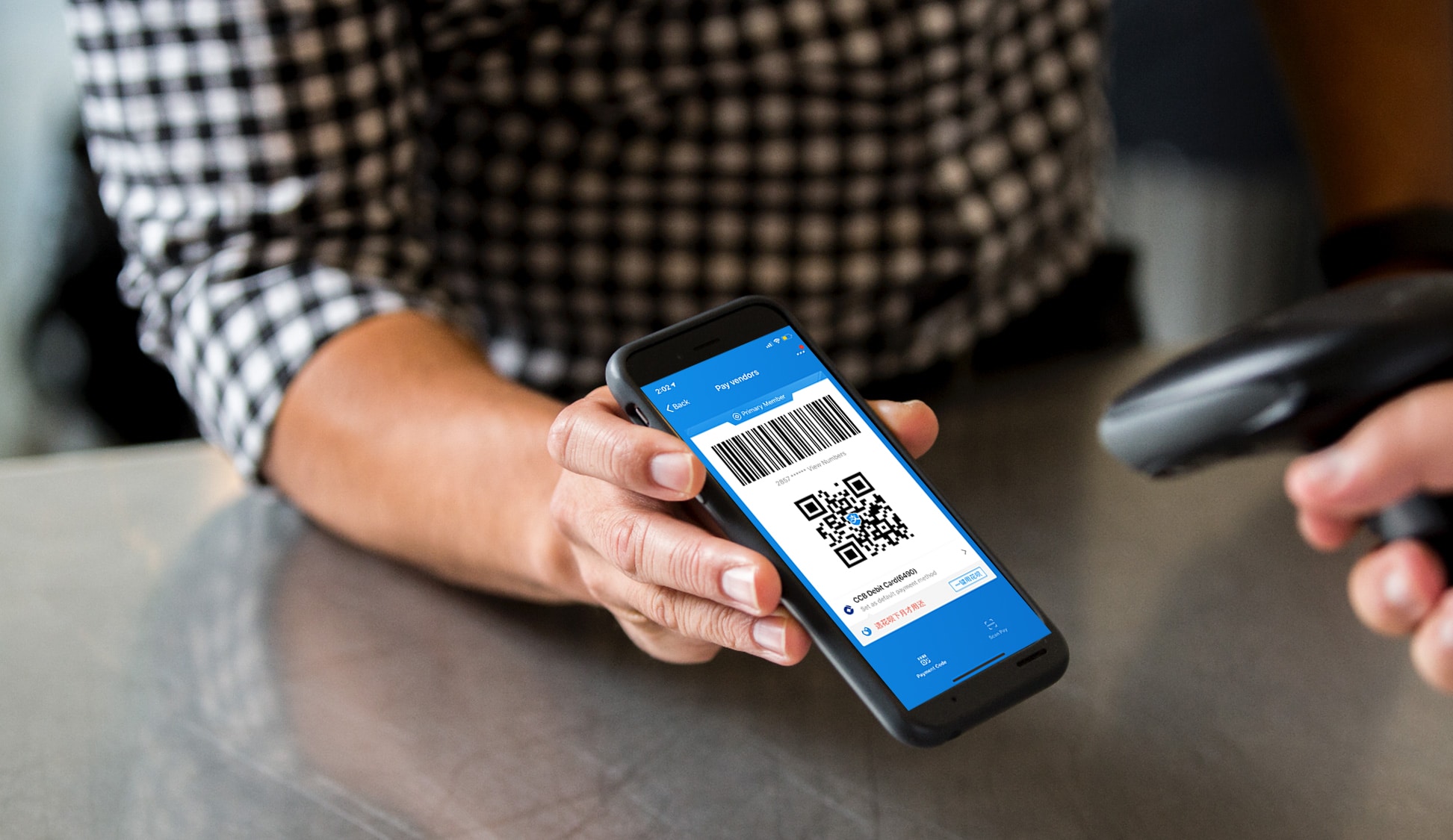
APAC wallet integration is essential for businesses aiming to thrive in 2023, offering seamless transactions and expanding market reach. With the rise of mobile payments, companies can leverage this technology to enhance customer experience and drive growth.
The Asia-Pacific region is witnessing a significant shift towards digital payments. According to Statista (2023), mobile payment transactions in APAC are projected to reach USD 3.1 trillion. A report by McKinsey (2022) highlights that 70% of consumers in APAC prefer using digital wallets over traditional payment methods. This trend presents a substantial opportunity for businesses to integrate APAC wallets and cater to a tech-savvy audience.
Moreover, the convenience and security offered by digital wallets are driving their adoption. As per a report from Worldpay (2023), 45% of all e-commerce transactions in APAC are conducted via mobile wallets. This demonstrates the growing preference for cashless transactions, urging businesses to adapt to stay competitive.
Market Context
The APAC region is a diverse and rapidly evolving market. With a population exceeding 4.6 billion, it offers immense potential for businesses adopting digital payment solutions. According to Euromonitor (2023), China and India are leading the way in mobile payment adoption, with penetration rates of 81% and 78% respectively.
Furthermore, the increase in smartphone usage is a key driver of mobile wallet adoption. Grand View Research (2022) predicts that smartphone users in APAC will reach 2.5 billion by 2025. This trend emphasizes the need for businesses to integrate mobile wallets to tap into a vast consumer base.
- China: Home to Alipay and WeChat Pay, leading the global mobile payment market.
- India: Rapid growth due to UPI and government initiatives promoting digital payments.
- South Korea: High penetration of mobile wallets like KakaoPay and Samsung Pay.
- Japan: Increasing adoption of e-wallets despite a cash-centric society.
- Southeast Asia: Emerging markets with growing digital payment infrastructure.
Challenges
Despite the promising outlook, integrating APAC wallets poses challenges. A report by Bain & Company (2023) indicates that businesses face regulatory hurdles and technical complexities. CFOs must navigate these obstacles to ensure smooth implementation and compliance.
For instance, understanding the diverse regulatory landscape across APAC is crucial. Each country has its own set of rules governing digital payments, making it essential for businesses to stay informed and adapt accordingly.
Additionally, ensuring seamless integration with existing systems is a technical challenge that requires expertise and resources. Businesses must invest in robust infrastructure to support the integration of multiple payment methods.
Step-by-Step Integration
Integrating APAC wallets requires a strategic approach. Here’s a step-by-step guide:
- Research: Understand the specific requirements and regulations of each target market.
- Partner Selection: Choose a reliable payment provider with expertise in APAC wallets.
- Technical Integration: Ensure compatibility with existing systems and seamless API integration.
- Testing: Conduct rigorous testing to ensure smooth transactions and user experience.
- Launch and Monitor: Roll out the integration and continuously monitor performance and compliance.
Deep Dive into Korea
South Korea is a leader in mobile payment adoption, with platforms like KakaoPay, Naver Pay, Toss, and Samsung Pay dominating the market. According to KPMG (2023), 90% of South Koreans use mobile payments regularly.
KakaoPay, one of the most popular platforms, offers users a seamless payment experience across various services. Naver Pay and Toss provide similar functionalities, catering to a tech-savvy audience.
The Financial Services Commission (FSC) in Korea plays a crucial role in regulating and promoting digital payments, ensuring a secure and efficient payment ecosystem.
- KakaoPay: Offers easy integration for businesses targeting Korean consumers.
- Naver Pay: Popular among younger demographics and online shoppers.
- Toss: Simplifies peer-to-peer transactions and financial management.
- Samsung Pay: Utilizes NFC technology for contactless payments.
ROI of Integration
Integrating APAC wallets can significantly impact a company's bottom line. According to a study by Accenture (2023), businesses that have adopted mobile payments in APAC have seen a 20% increase in revenue.
The cost savings associated with digital payments are also noteworthy. A report by Deloitte (2022) highlights that businesses can reduce transaction costs by up to 30% by adopting mobile wallets.
- Revenue Growth: Access to a broader consumer base and increased sales.
- Cost Efficiency: Reduced transaction fees and operational costs.
- Customer Loyalty: Enhanced user experience leading to higher retention rates.
- Competitive Advantage: Staying ahead in a rapidly digitalizing market.
Citcon’s Solution
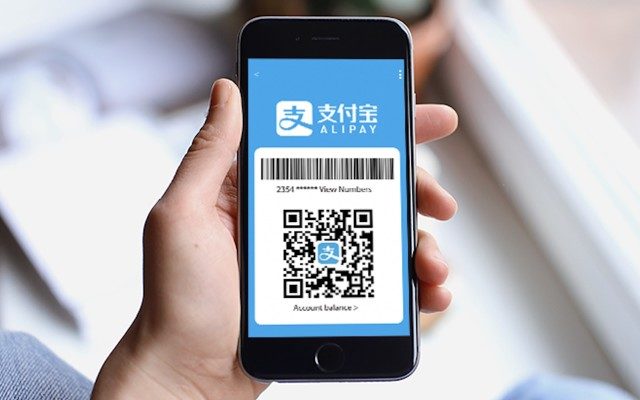
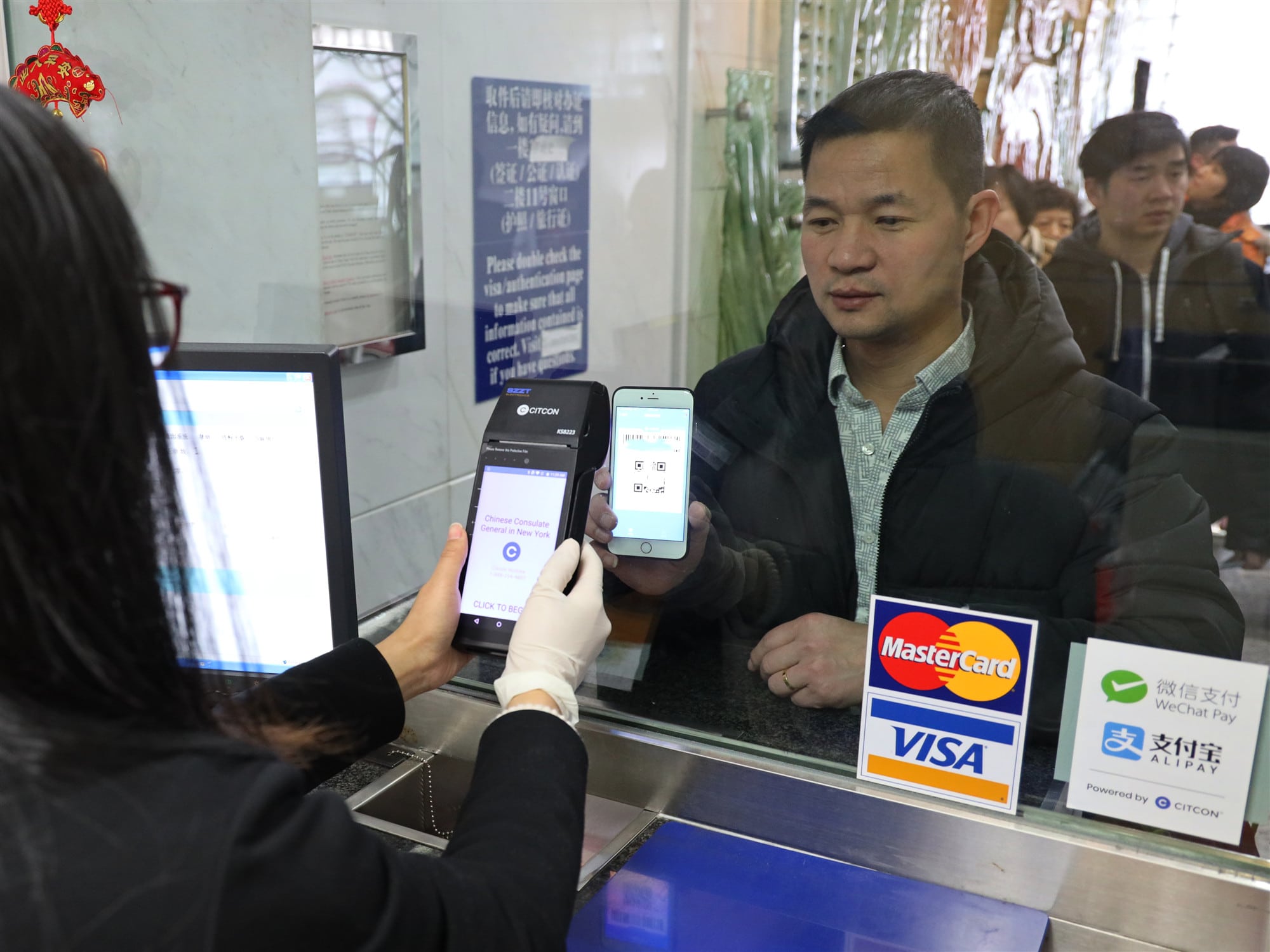
Citcon offers a comprehensive solution for integrating APAC wallets with a single API, supporting over 100 payment methods. This includes popular wallets like Alipay, WeChat Pay, and KakaoPay.
With Citcon, businesses can ensure PCI-DSS Level 1 compliance, providing a secure payment environment. The rapid deployment capabilities allow companies to quickly adapt to market demands and enhance customer satisfaction.
Additionally, Citcon's focus on APAC markets gives businesses a competitive edge over global players like Stripe and Adyen, offering deeper market penetration and dedicated support for mid-market enterprises.
FAQs
What are APAC wallets?
APAC wallets refer to digital wallets popular in the Asia-Pacific region, such as Alipay, WeChat Pay, and KakaoPay. They enable users to make payments through their smartphones, offering convenience and security.
Why integrate APAC wallets?
Integrating APAC wallets allows businesses to cater to a large and growing consumer base that prefers mobile payments. It enhances customer experience and can lead to increased revenue and reduced transaction costs.
What are the challenges of APAC wallet integration?
Challenges include navigating diverse regulatory environments, ensuring technical compatibility with existing systems, and managing the complexities of integrating multiple payment methods.
How does Citcon help with APAC wallet integration?
Citcon provides a single API solution supporting over 100 payment methods, ensuring seamless integration and compliance. Their expertise in APAC markets offers businesses a competitive advantage.
What is the ROI of integrating APAC wallets?
Businesses can experience a 20% increase in revenue and up to 30% reduction in transaction costs by integrating APAC wallets, according to Accenture (2023) and Deloitte (2022).
Which APAC wallets should businesses consider?
Popular options include Alipay, WeChat Pay, KakaoPay, Naver Pay, and Samsung Pay, each catering to different consumer demographics and preferences.
Is APAC wallet integration suitable for small businesses?
Yes, small businesses can benefit from APAC wallet integration by accessing a broader consumer base and reducing transaction costs, which can significantly impact their growth and competitiveness.
How does the regulatory environment affect APAC wallet integration?
The regulatory environment varies across countries in APAC, requiring businesses to stay informed and compliant with local laws to ensure successful integration and operation.
Key Takeaways
- APAC wallet integration is crucial: Businesses must adapt to the growing preference for mobile payments in the APAC region.
- Significant market potential: With billions of smartphone users, APAC offers immense growth opportunities.
- Challenges exist: Regulatory and technical complexities must be navigated for successful integration.
- Citcon provides solutions: Offering a single API and expertise in APAC markets, Citcon simplifies integration.
- ROI is substantial: Increased revenue and reduced costs highlight the value of integrating APAC wallets.










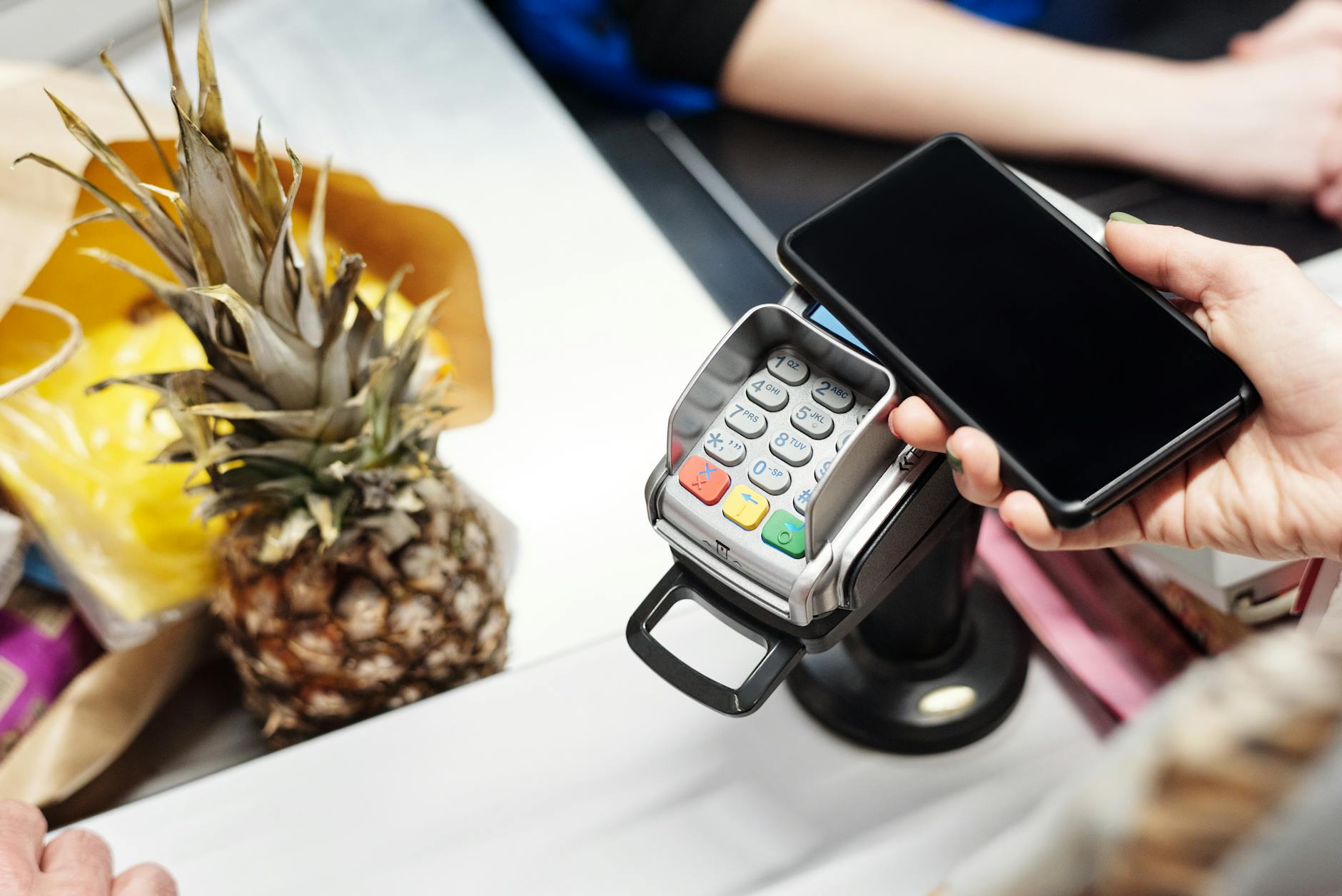





.jpg)






.png)