The Complete Guide to Cross-Border Payments for Businesses in 2024
WRITTEN BY

Dylan Coombs
Citcon
Commercial Leader
Date
Jun 12, 2026
Subscribe to our interesting updates
SHARE ON

Cross-border payments are crucial for businesses aiming to expand globally, enabling seamless international transactions and fostering growth.
In 2024, the global cross-border payment market is expected to reach $156 trillion, highlighting its significance in the digital economy. As businesses increasingly operate on a global scale, understanding the complexities of cross-border payments becomes essential. With advancements in technology and a growing number of payment methods, companies must adapt to remain competitive. According to McKinsey, cross-border e-commerce is projected to grow by 20% in 2025, further emphasizing the need for efficient payment solutions.
The rise of digital wallets and real-time payment systems has transformed the landscape, with Asia leading the charge in adoption. The People's Bank of China reports that digital yuan transactions reached $100 billion in 2025, showcasing the shift towards digital currencies. Businesses must navigate regulatory challenges, currency fluctuations, and diverse consumer preferences to succeed in this dynamic environment.
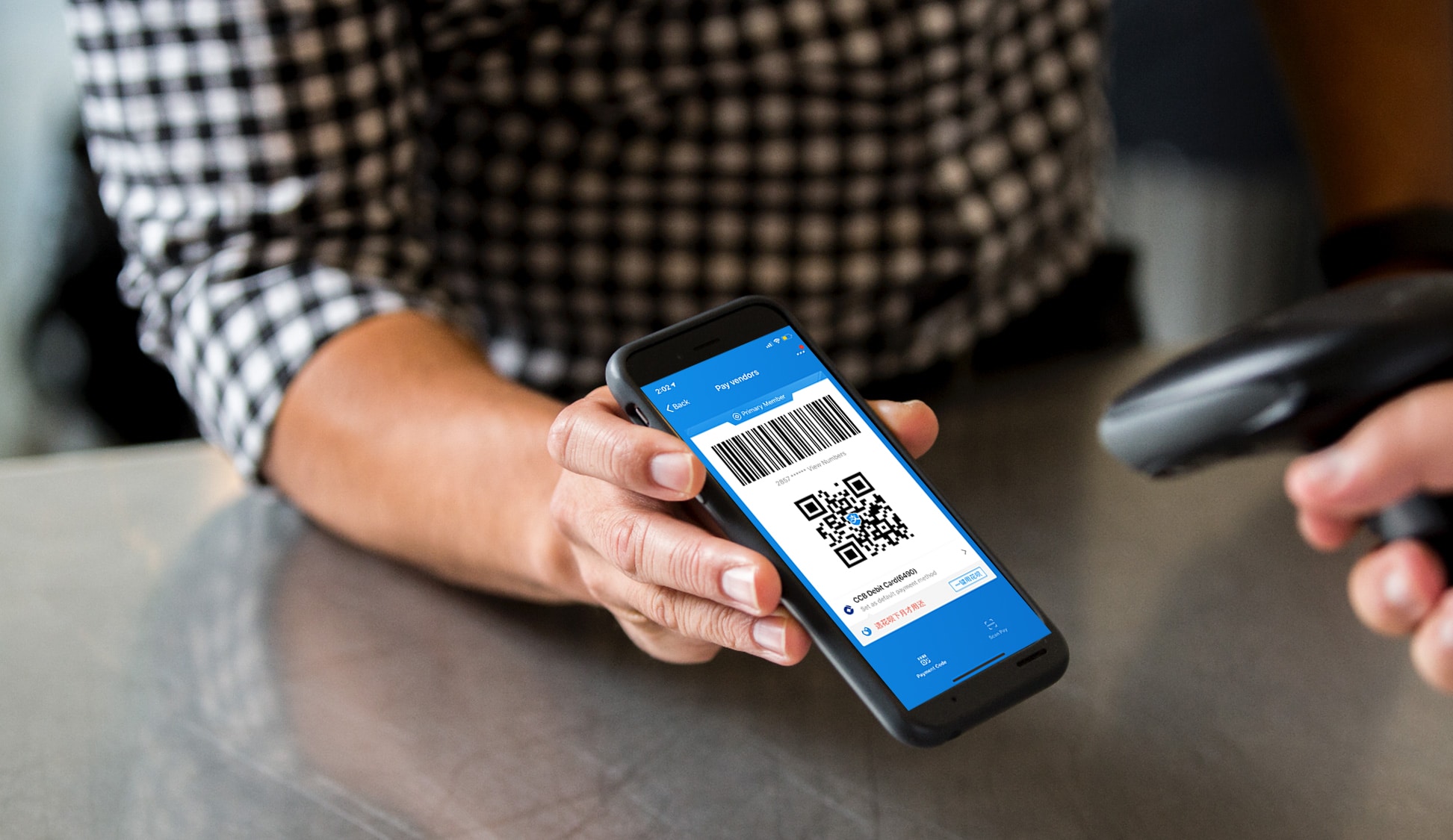
Understanding the market context is vital. The cross-border payment industry is characterized by rapid technological advancements and increased consumer demand for speed and convenience. According to Statista, mobile payment transactions will surpass $1 trillion in 2024, driven by the proliferation of smartphones and internet access. The need for secure, efficient, and transparent payment systems is more critical than ever.
Market Context
The cross-border payment landscape is evolving rapidly, influenced by technological innovations and changing consumer behaviors. Businesses must stay informed about market trends to remain competitive. Here are some key aspects:
- Technology Adoption: Real-time payment systems and blockchain technology are revolutionizing cross-border transactions.
- Consumer Expectations: Customers demand fast, secure, and cost-effective payment solutions.
- Regulatory Landscape: Compliance with international regulations is crucial for smooth operations.
- Currency Volatility: Managing exchange rate risks is essential for financial stability.
- Market Growth: The Asia-Pacific region is a major growth driver, with increasing adoption of digital payment methods.
Businesses must adapt to these trends to capitalize on new opportunities and overcome challenges.
Challenges in Cross-Border Payments
Despite the opportunities, cross-border payments pose significant challenges. Businesses must navigate complex regulatory environments and manage currency risks. For CFOs, ensuring compliance and financial accuracy is paramount. A real-world scenario involves a multinational corporation struggling with delayed payments due to regulatory bottlenecks, impacting cash flow and operational efficiency.
According to Deloitte, 60% of businesses cite regulatory compliance as a major hurdle in cross-border transactions in 2024. Additionally, currency fluctuations can erode profit margins, necessitating effective risk management strategies.
Step-by-Step Guide to Efficient Cross-Border Payments
To streamline cross-border payments, businesses should follow these steps:
- Understand Regulations: Stay updated on international payment regulations to ensure compliance.
- Choose the Right Payment Provider: Select providers with a robust network and transparent fee structures.
- Implement Technology: Leverage real-time payment systems and blockchain for efficiency.
- Manage Currency Risks: Use hedging strategies to mitigate exchange rate volatility.
- Monitor Transactions: Continuously track and analyze payment data for insights and improvements.
Following these steps can help businesses optimize their cross-border payment processes.
Deep Dive into Payment Solutions
Understanding the intricacies of payment solutions is essential for businesses. Real-time payment systems offer significant advantages, including faster transaction speeds and improved cash flow management. Blockchain technology provides enhanced security and transparency, reducing the risk of fraud.
According to Accenture, blockchain-based cross-border payments can reduce transaction costs by up to 60% in 2025. Digital wallets and mobile payment apps are gaining popularity, particularly in Asia, where the market is expected to grow by 25% in 2024.
- Real-Time Payments: Enable instant transactions, improving customer satisfaction.
- Blockchain Technology: Offers secure, transparent, and cost-effective solutions.
- Digital Wallets: Increasingly popular for convenience and ease of use.
- Mobile Payments: Rapid adoption in emerging markets, driving growth.
ROI from Efficient Cross-Border Payments
Implementing efficient cross-border payment solutions can significantly impact a business's bottom line. Businesses can achieve a revenue uplift of up to 15% by optimizing their payment processes, according to Bain & Company. Cost reductions of 20% are possible through streamlined operations and reduced transaction fees.
- Revenue Uplift: Enhanced payment processes lead to increased sales and customer satisfaction.
- Cost Reduction: Lower transaction fees and operational efficiencies contribute to savings.
- Improved Cash Flow: Faster payment processing enhances liquidity.
- Competitive Advantage: Efficient payment systems differentiate businesses in a crowded market.
Citcon's Solution
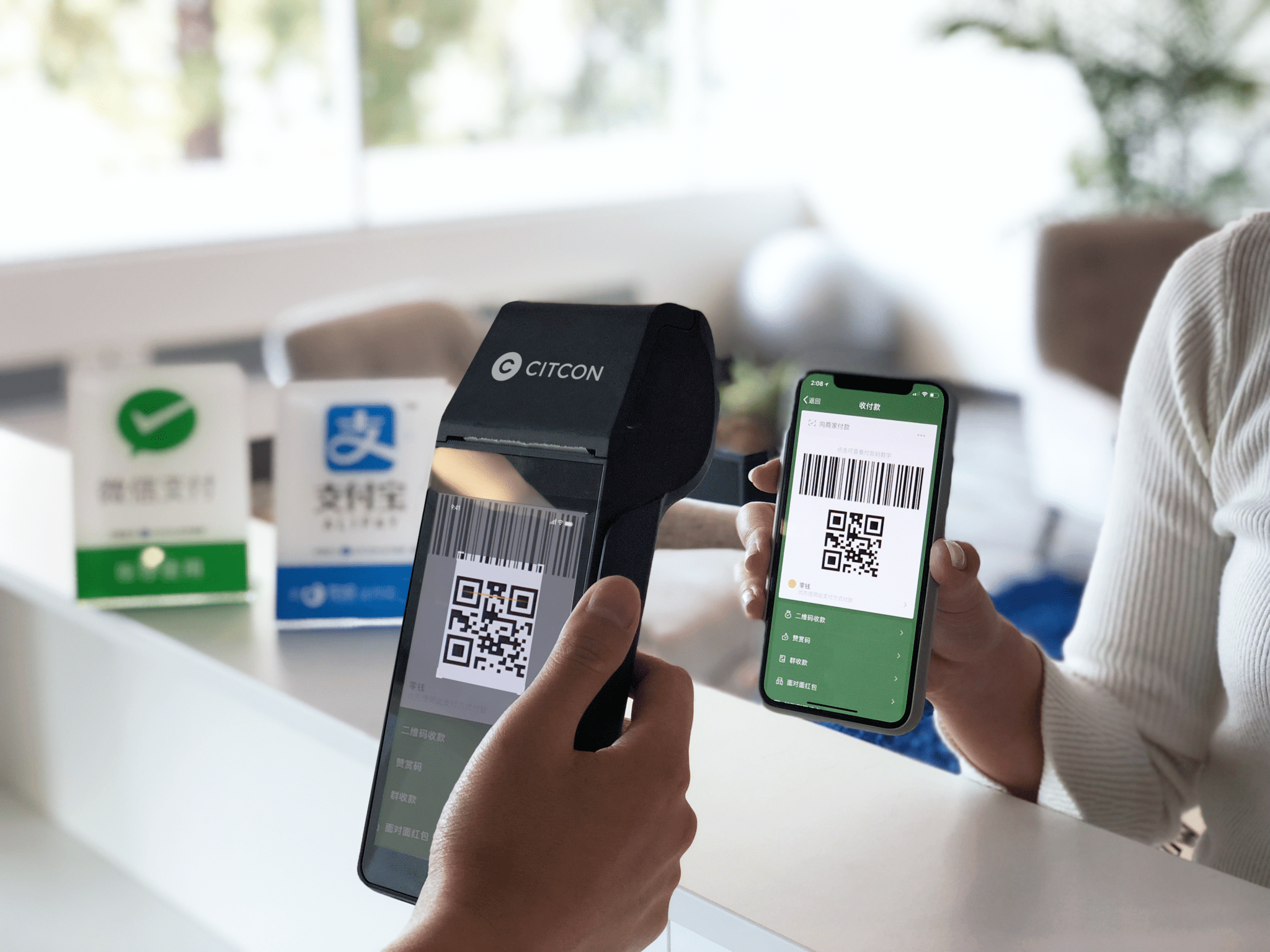
Citcon offers a comprehensive solution for businesses seeking efficient cross-border payment systems. With a single API, businesses can access over 100 payment methods, including popular APAC wallets and BNPL options. Citcon's platform ensures PCI-DSS Level 1 compliance, providing secure and reliable payment processing.
By integrating Citcon's solution, businesses can streamline their payment operations, reduce costs, and enhance customer experience. Recent posts on our blog explore these benefits in more detail.
FAQ
What are the benefits of real-time payments?
Real-time payments offer instant transaction processing, improving cash flow and customer satisfaction. In 2024, businesses using real-time systems report a 25% increase in operational efficiency, according to Worldpay.
How does blockchain improve cross-border payments?
Blockchain technology enhances security and transparency, reducing fraud risk. Accenture reports a 60% reduction in transaction costs for businesses using blockchain in 2025.
Why is regulatory compliance important?
Compliance ensures smooth international transactions and avoids legal penalties. Deloitte highlights that 60% of businesses face regulatory challenges in 2024.
How can businesses manage currency risks?
Businesses can use hedging strategies and currency management tools to mitigate risks. According to PwC, effective risk management leads to a 15% reduction in financial volatility in 2025.
What role do digital wallets play in cross-border payments?
Digital wallets offer convenience and speed, driving adoption in markets like Asia. Statista projects a 25% growth in digital wallet usage in 2024.
How do cross-border payments impact cash flow?
Efficient payment systems improve cash flow by reducing transaction delays. Bain & Company notes a 20% improvement in liquidity for businesses optimizing payments in 2025.
Key Takeaways
- Cross-Border Payments Growth: Expected to reach $156 trillion in 2024, highlighting global significance.
- Technological Advancements: Real-time systems and blockchain reduce costs and improve efficiency.
- Regulatory Compliance: Essential for avoiding legal issues and ensuring smooth transactions.
- ROI Benefits: Potential for 15% revenue uplift and 20% cost reduction with optimized solutions.
- Citcon's Offering: Single API access to 100+ methods, ensuring secure and efficient payments.














.jpg)







.png)