Emerging Trends in Local Payment Methods for Cross-Border B2B Transactions in 2026
WRITTEN BY

Dylan Coombs
Citcon
Commercial Leader
Date
Subscribe to our interesting updates
SHARE ON
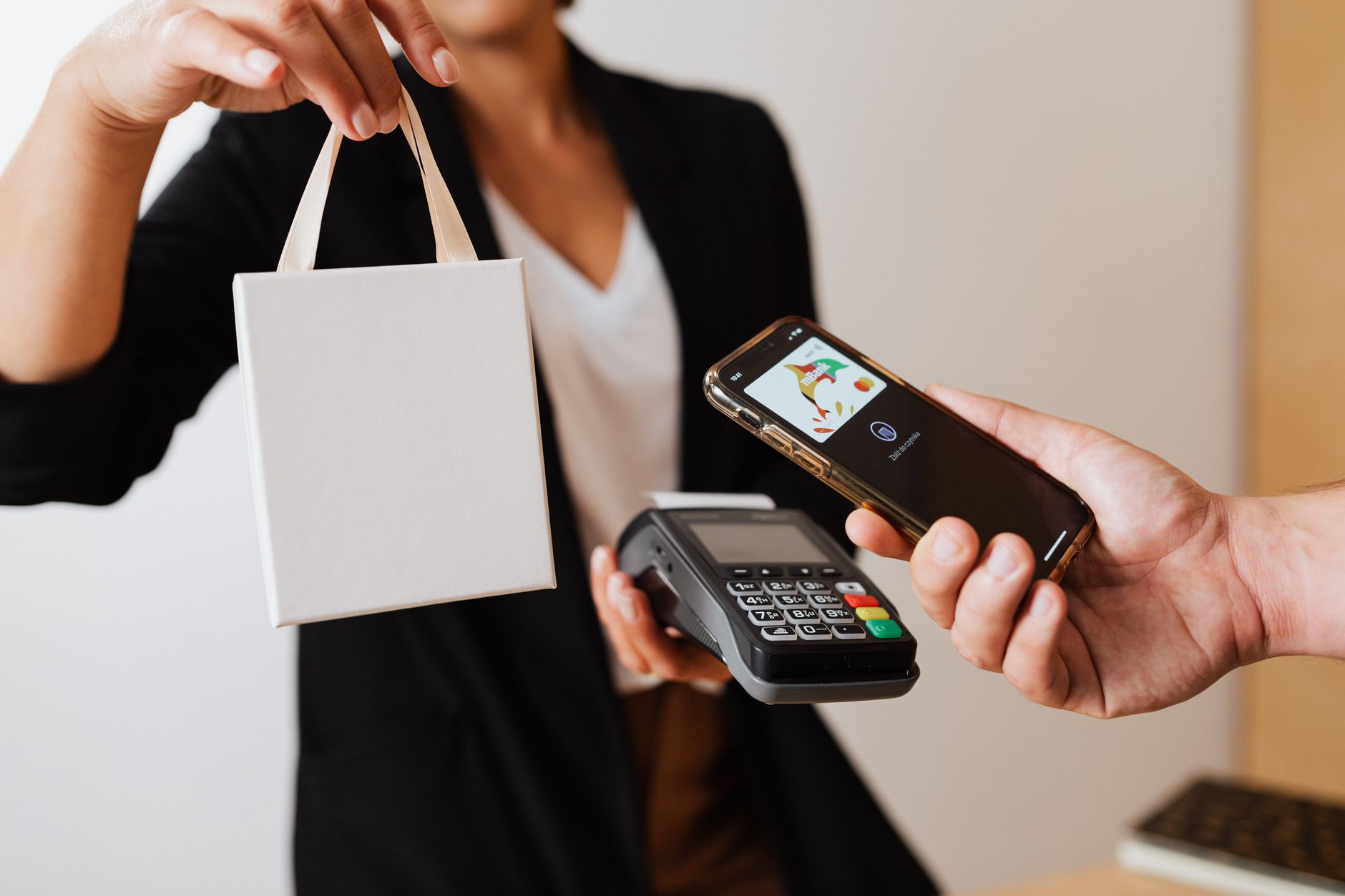
The landscape of local payment methods for cross-border B2B transactions is rapidly evolving, driven by technological advancements and changing regulatory environments. In 2026, businesses must adapt to these trends to remain competitive and efficient.
The Rise of Digital Wallets
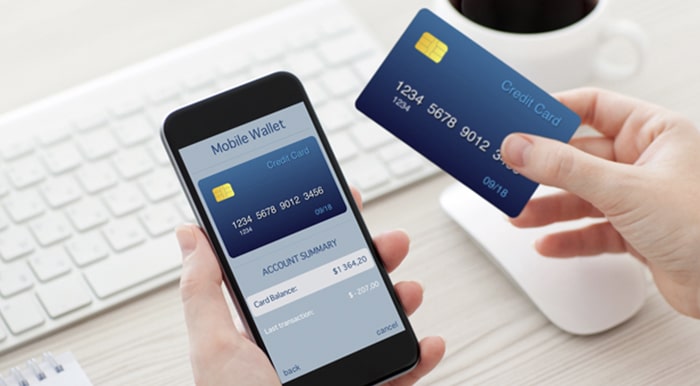
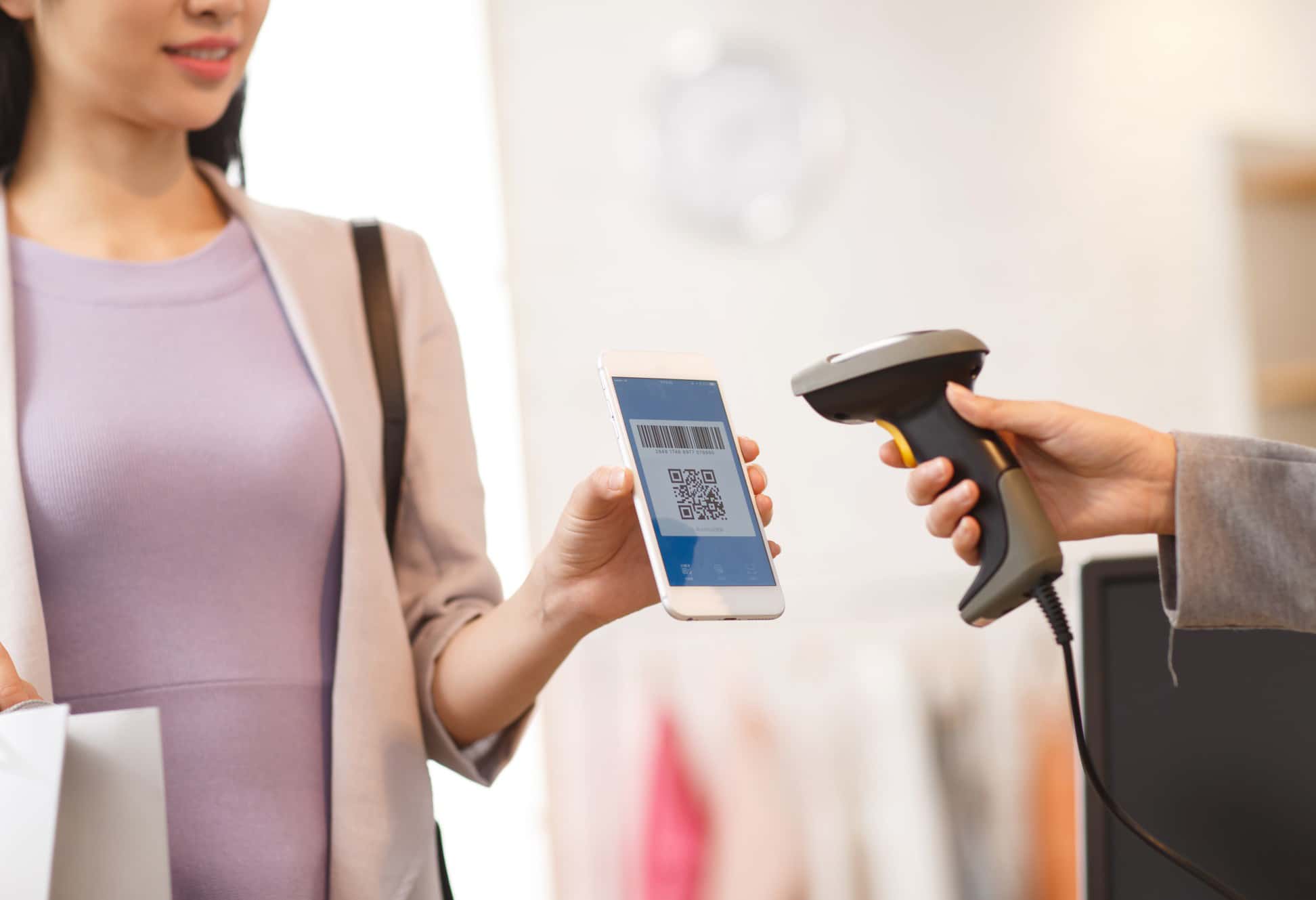
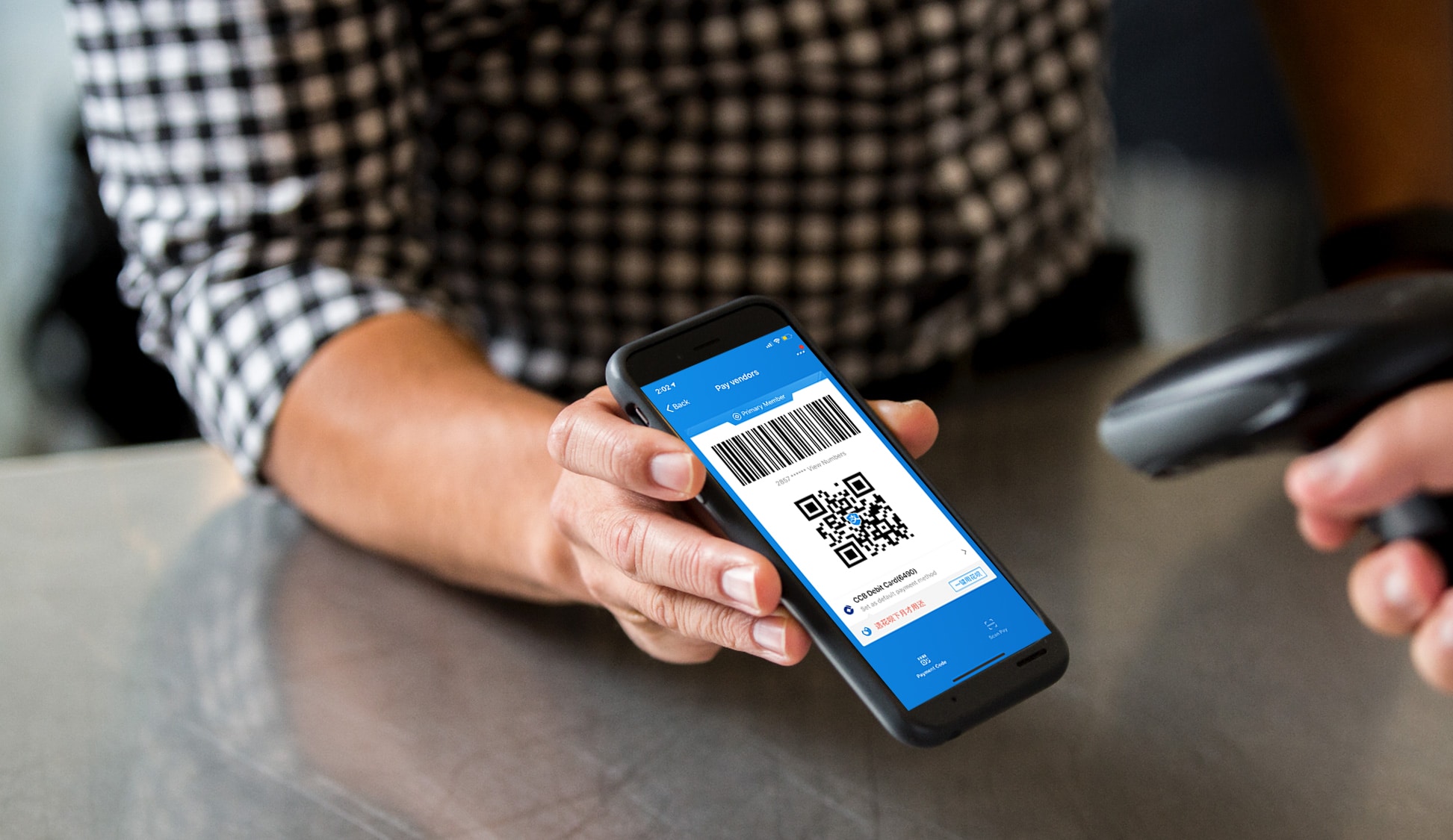
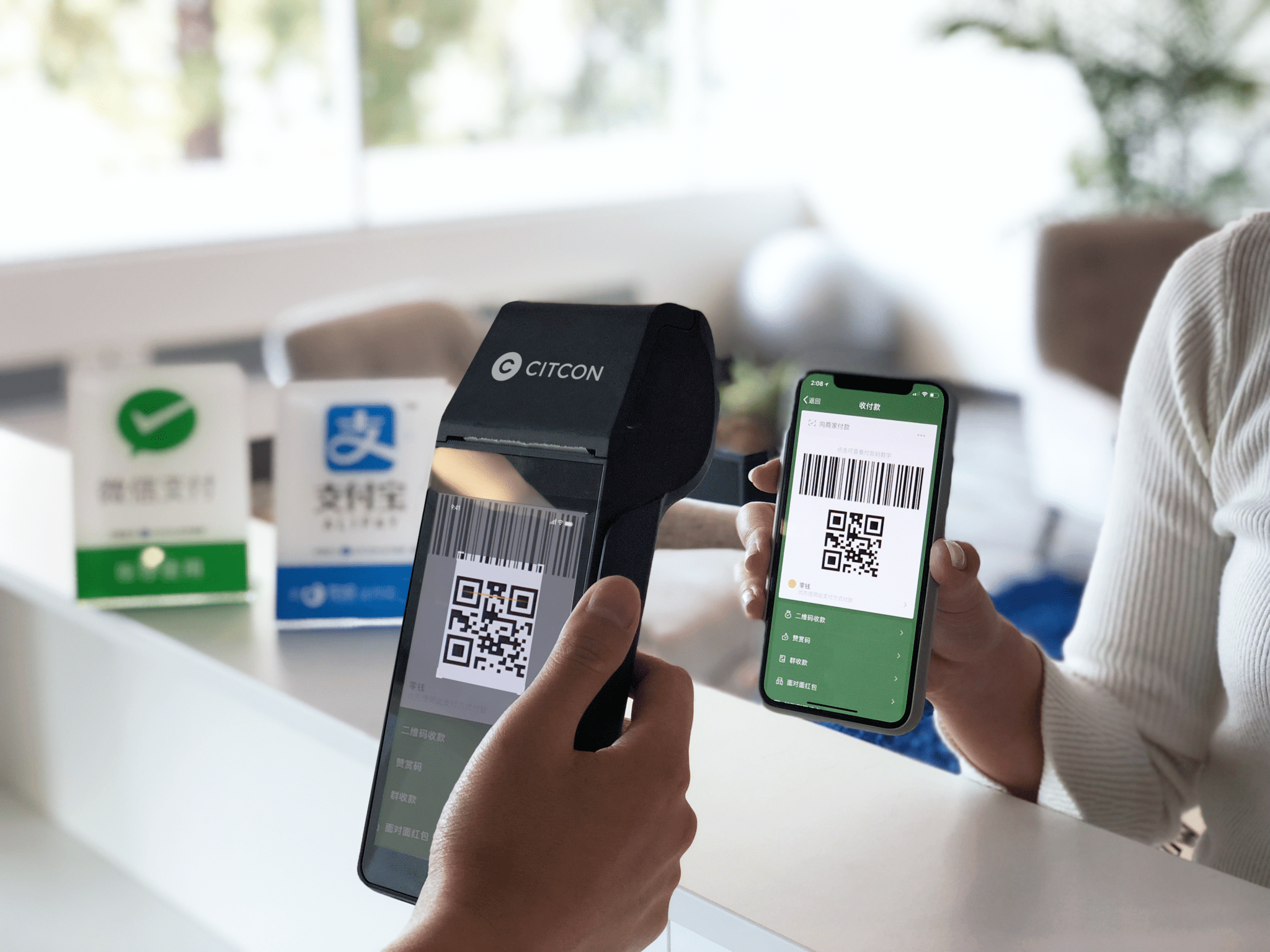
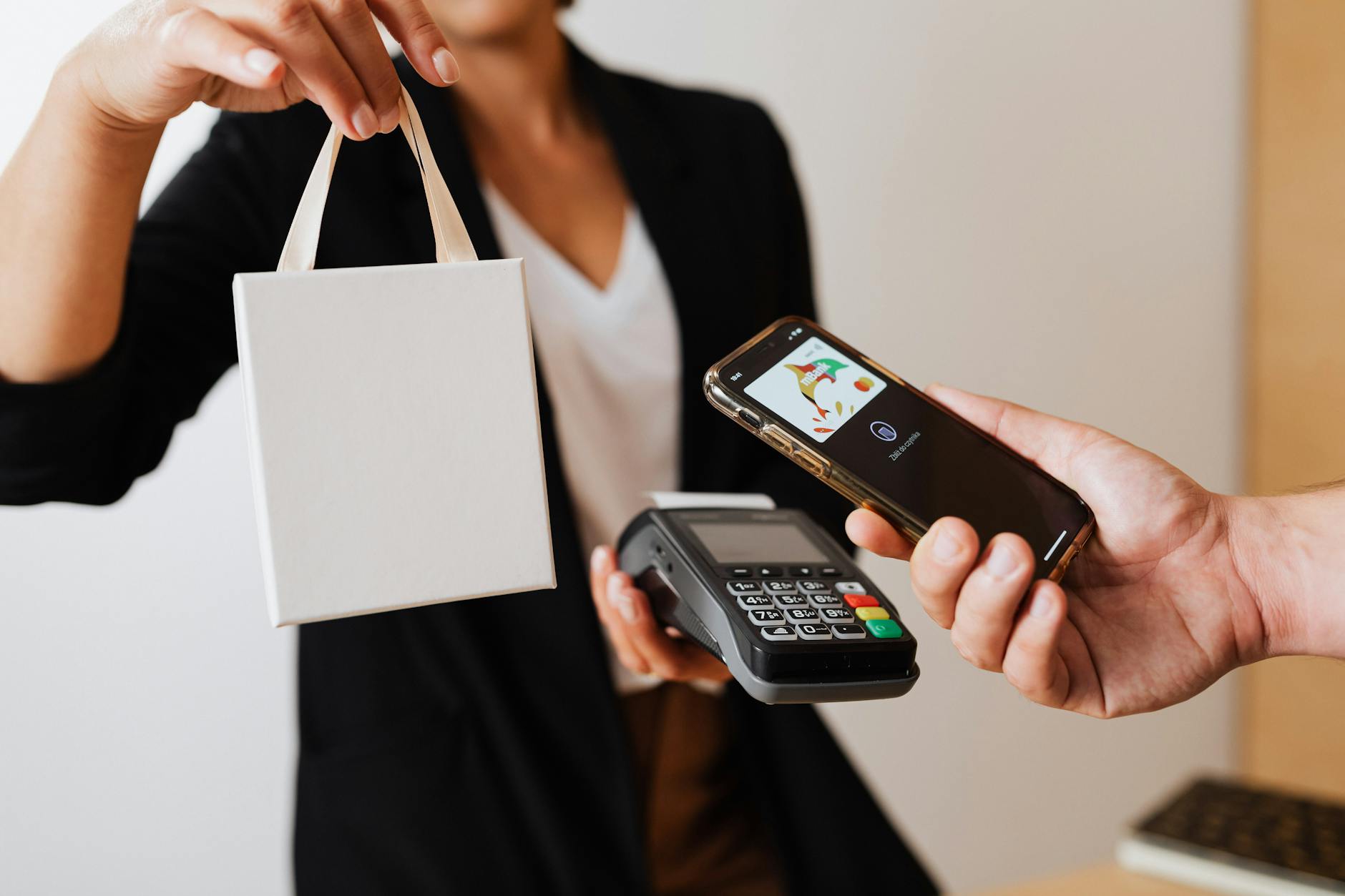
Digital wallets are quickly becoming a preferred method for cross-border transactions due to their convenience and security. Enterprises are leveraging these tools to streamline payments and reduce transaction costs. According to Juniper Research, the use of digital wallets in B2B transactions is expected to grow significantly by 2026.
Impact of Regulatory Changes
Regulatory changes play a crucial role in shaping payment methods. Governments worldwide are implementing policies to encourage digital payments, impacting how businesses operate cross-border. McKinsey reports that understanding these regulations is vital for strategists looking to optimize their payment processes.
Integration of Blockchain Technology
Blockchain technology is offering unprecedented transparency and security in cross-border payments. Enterprises are increasingly adopting blockchain to facilitate faster and more reliable transactions. Statista highlights that blockchain's role in B2B payments will continue to expand, providing a competitive edge to businesses.
Localized Payment Methods
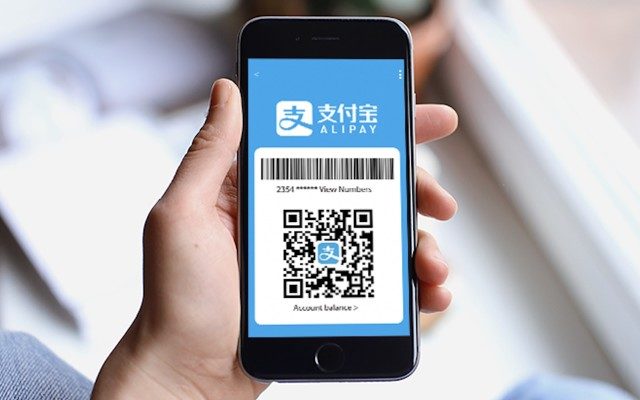
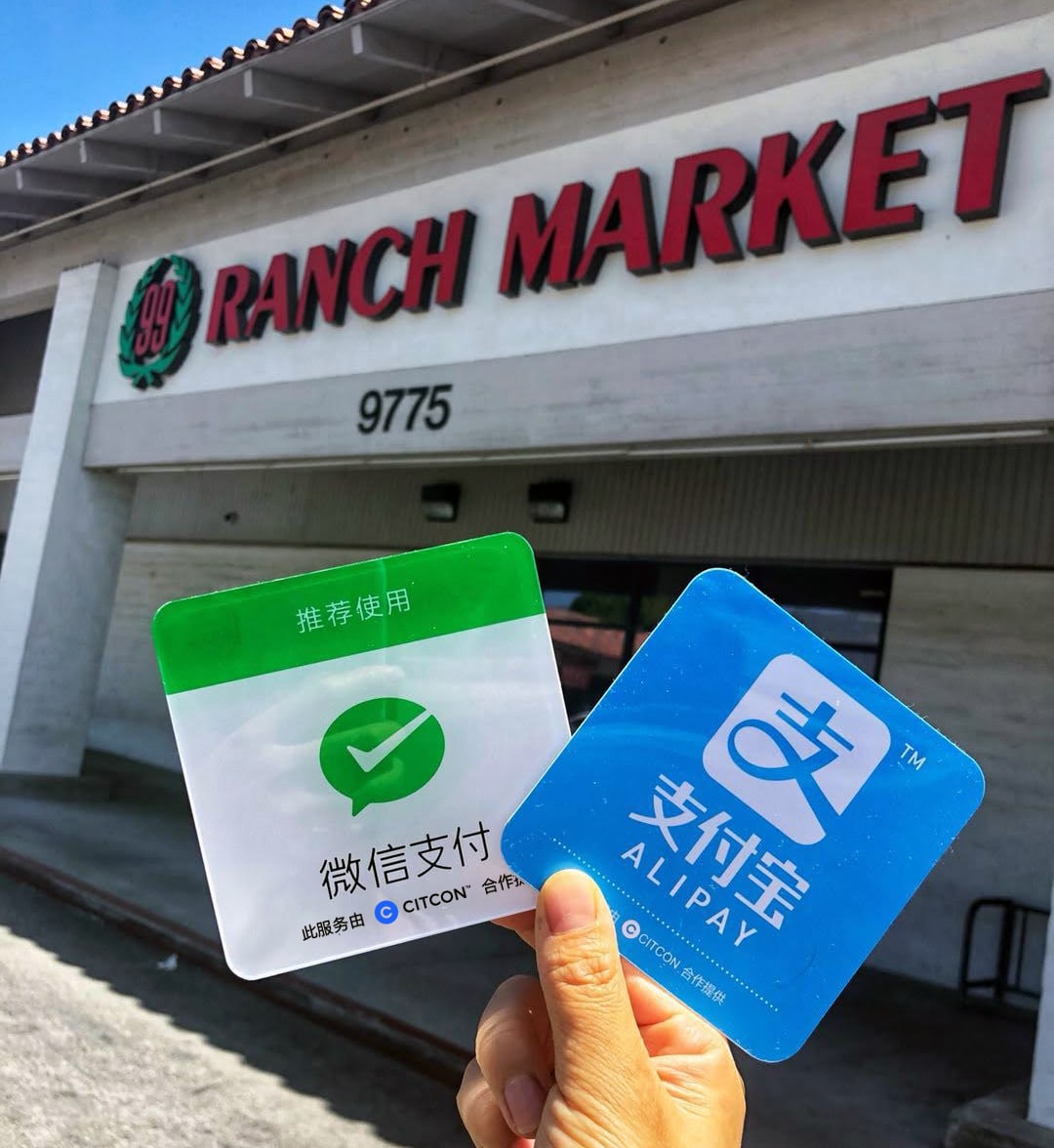
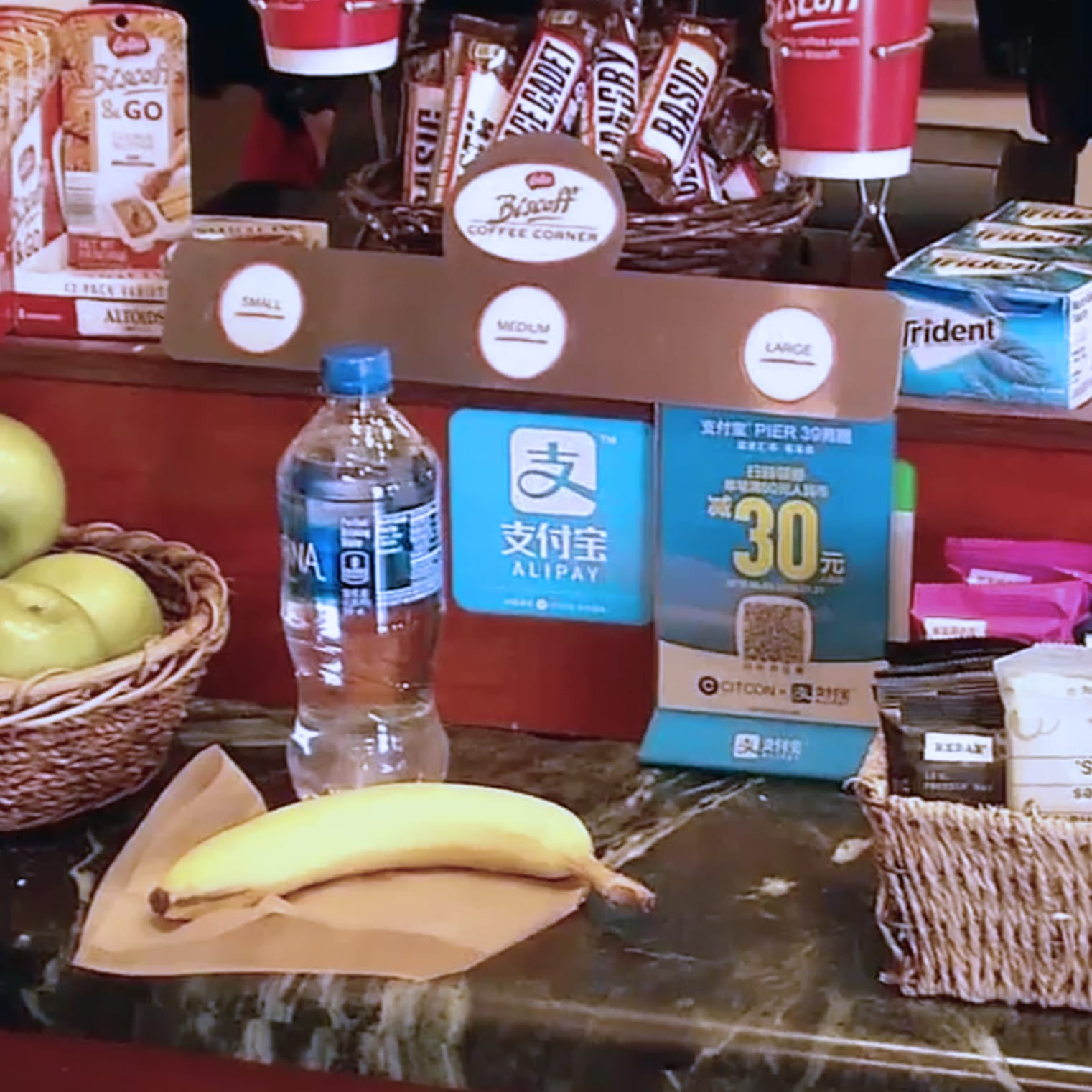
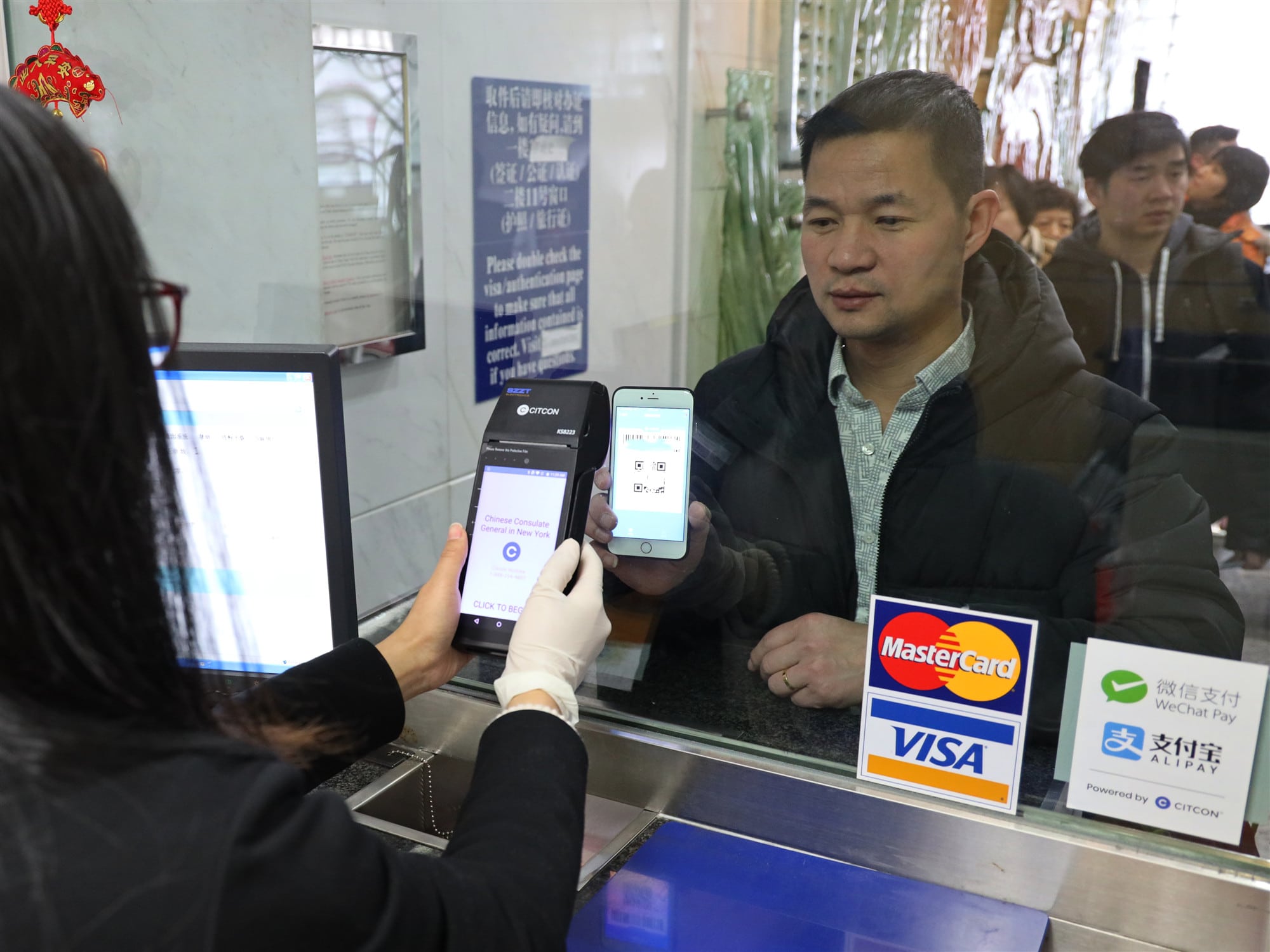
Enterprises must adapt to localized payment preferences to succeed in different markets. Payment methods like UPI in India and Alipay in China are gaining traction. Worldpay emphasizes the importance of understanding and integrating local payment options to enhance customer satisfaction and transaction success rates.
The Role of Artificial Intelligence
Artificial Intelligence (AI) is transforming payment systems by enabling personalized and efficient transaction processes. AI-driven analytics allow businesses to predict payment behaviors and optimize payment strategies. Visa reports that AI's integration in payment systems will become a standard practice by 2026.
What are the benefits of using digital wallets for B2B transactions?
Digital wallets offer enhanced security, reduced transaction costs, and improved transaction speed. They also provide a convenient way for businesses to manage international payments, supporting multiple currencies seamlessly.
How do regulatory changes affect cross-border payments?
Regulatory changes can introduce new compliance requirements and influence transaction processes. Businesses must stay informed about these changes to ensure efficient and compliant cross-border transactions.
Why is blockchain technology important for B2B payments?
Blockchain provides a secure, transparent, and efficient way to process cross-border transactions. Its decentralized nature eliminates intermediaries, reducing costs and increasing the speed of transactions.
How can businesses adapt to localized payment methods?
Businesses can adapt by researching local payment preferences, integrating popular local payment solutions, and ensuring their payment systems are flexible enough to accommodate various methods.
What role does AI play in payment systems?
AI enhances payment systems by providing predictive analytics, improving fraud detection, and personalizing payment experiences, leading to more efficient and secure transactions.
What is the future of cross-border B2B payments?
The future of cross-border B2B payments lies in technological integration, regulatory adaptation, and embracing localized payment methods, ensuring efficient and secure transactions globally.
How can Citcon assist in cross-border transactions?
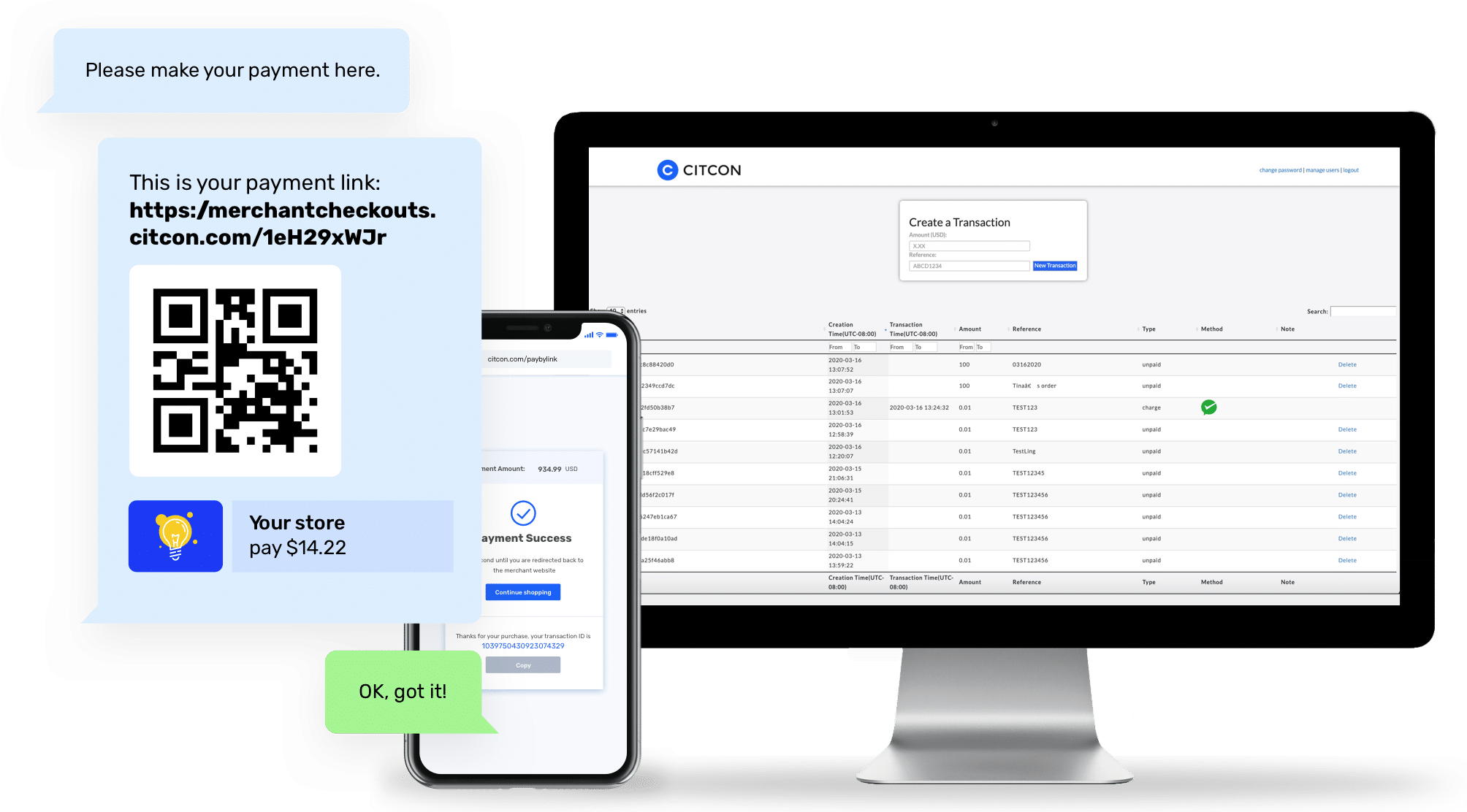
Citcon offers a unified global payment platform that supports over 100 payment methods via a single API, including digital wallets and BNPL options. It ensures compliance and is ideal for companies with revenues of $10M+ in industries like Direct Sales, Gaming, and Tech B2B.
In conclusion, businesses must stay ahead of emerging trends in local payment methods to optimize cross-border B2B transactions. By leveraging platforms like Citcon, enterprises can effectively manage their payment strategies and achieve greater success in the global market.




.jpg)







.png)