Navigating Payment Technology Trends for 2026: A Comprehensive Overview
WRITTEN BY

Dylan Coombs
Citcon
Commercial Leader
Date
Jun 18, 2026
Subscribe to our interesting updates
SHARE ON

As we approach 2026, payment technology is rapidly evolving, offering businesses new opportunities and challenges. Understanding these trends is crucial for staying competitive.
The global payment landscape is undergoing significant transformation. According to Statista (2025), digital payments are expected to surpass $10 trillion, driven by consumer demand for convenience and security. Furthermore, a Deloitte report (2026) highlights that 75% of businesses are investing in advanced payment solutions to enhance customer experience.
This shift is fueled by technological advancements and changing consumer expectations. Businesses must adapt to remain relevant in this dynamic environment. In this post, we will explore the key trends shaping payment technology in 2026, the challenges businesses face, and how to overcome them.
Market Context: Payment Technology in 2026
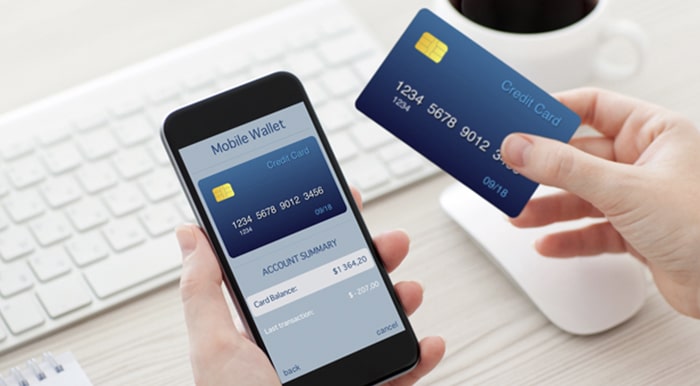
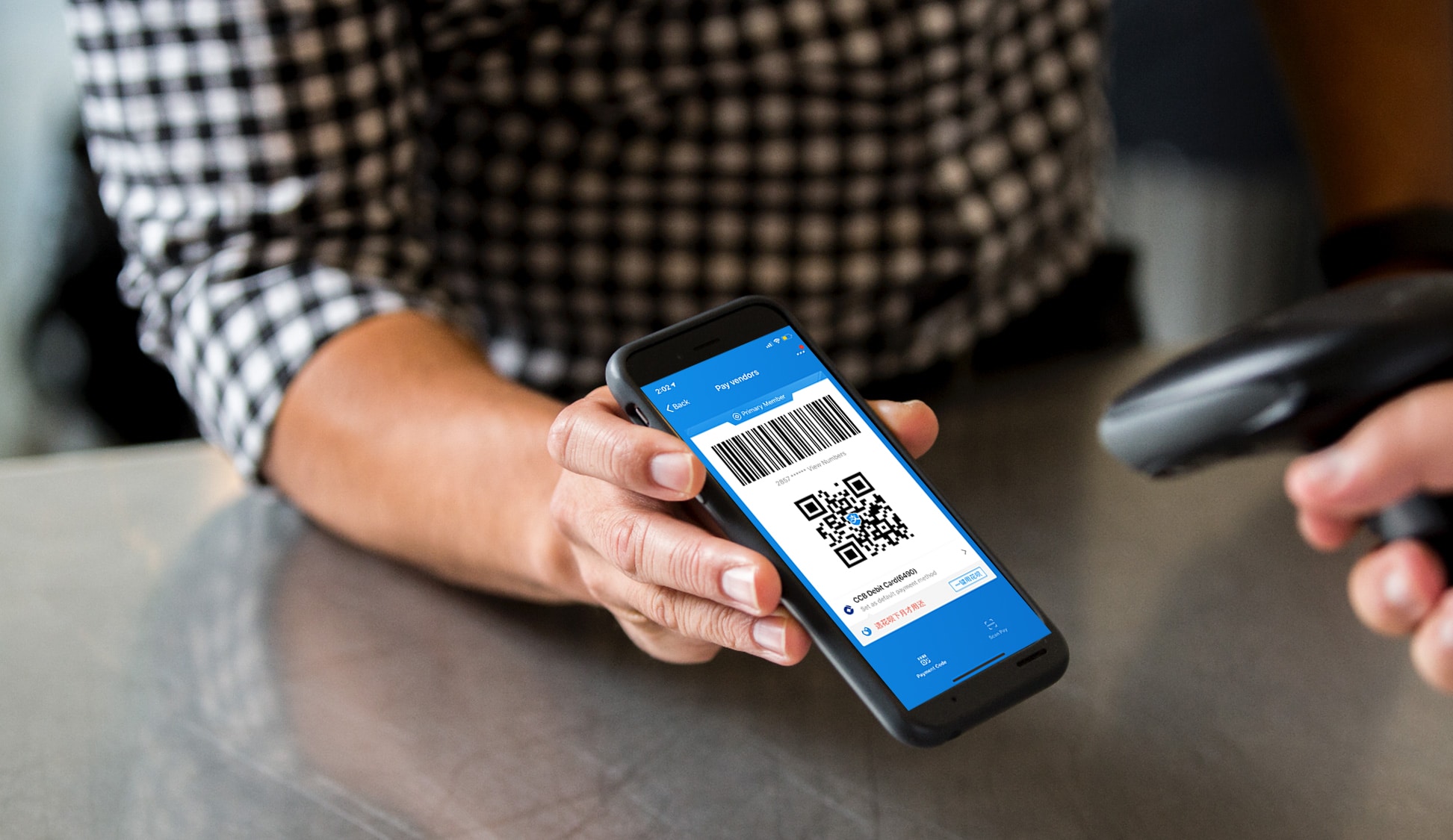
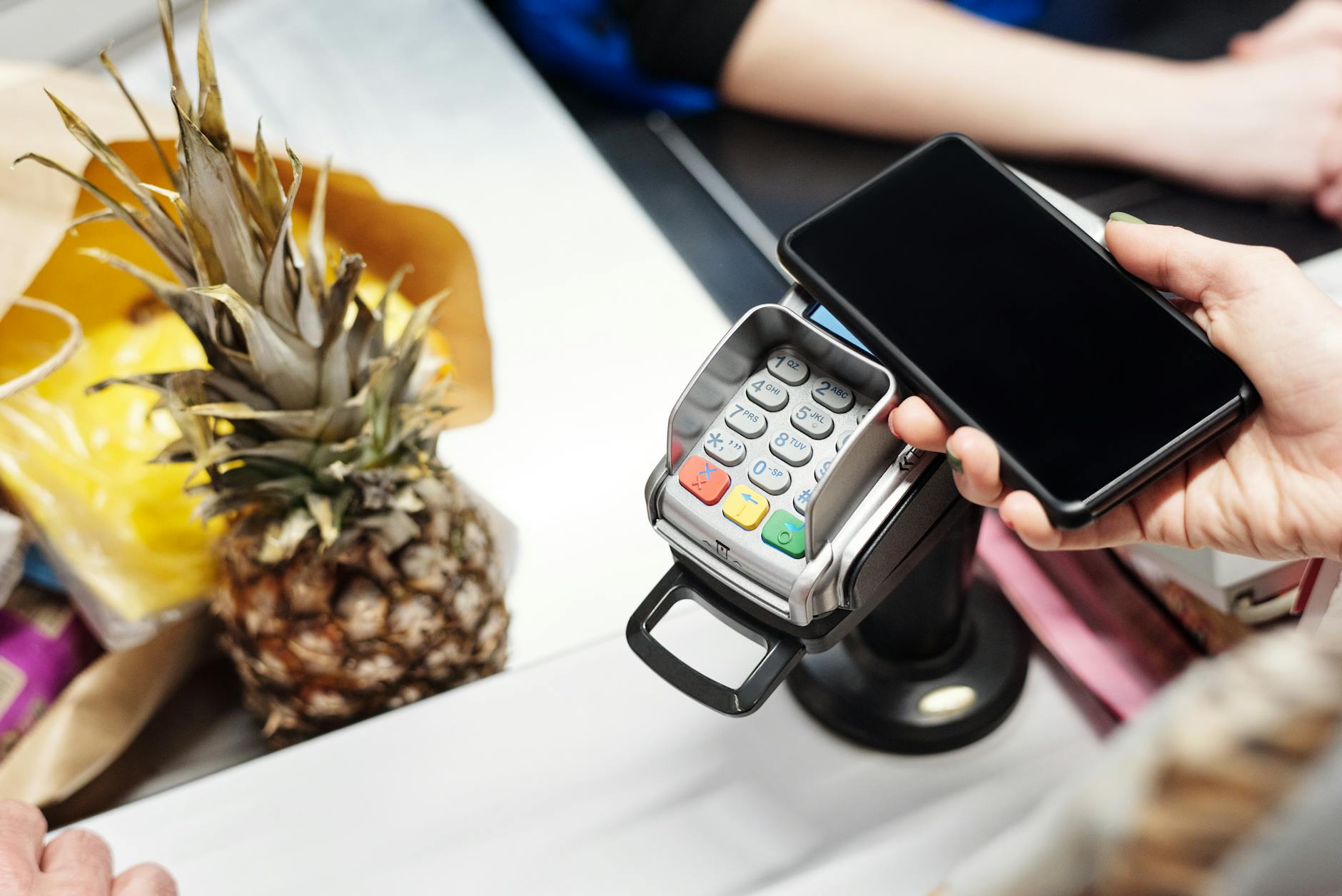
The payment industry is experiencing unprecedented growth and innovation. The rise of digital wallets and mobile payments is reshaping how consumers interact with businesses. According to Worldpay (2025), mobile wallet usage is expected to reach 60% globally by 2026.
Several factors are driving these changes:
- Consumer Demand: Increasing preference for contactless and mobile payments.
- Technological Advancements: AI and machine learning enhancing security and personalization.
- Regulatory Changes: New regulations promoting transparency and security.
- Global Expansion: Cross-border commerce becoming more accessible.
Businesses need to understand these trends to effectively strategize and implement payment solutions.
Challenges in Adopting New Payment Technologies
While the benefits of adopting new payment technologies are clear, businesses face significant challenges. Consider a scenario where a CFO is tasked with integrating a new digital payment system. The stakes are high, and the risks of failure can impact the company's bottom line.
One major challenge is ensuring data security and compliance with regulations. With cyber threats on the rise, businesses must invest in robust security measures. According to a PwC report (2026), 68% of companies are increasing their cybersecurity budgets to protect payment data.
Another challenge is the integration of new technologies with existing systems. This requires careful planning and execution to avoid disruptions in operations.
Step-by-Step Guide to Implementing Payment Technologies
Implementing new payment technologies can be daunting, but a structured approach can simplify the process. Here’s how businesses can successfully integrate these solutions:
- Assessment: Evaluate current payment systems and identify areas for improvement.
- Research: Explore different payment technologies and select the most suitable options.
- Planning: Develop a detailed implementation plan, including timelines and resources.
- Execution: Implement the new system, ensuring minimal disruption.
- Evaluation: Monitor the system’s performance and make necessary adjustments.
Following these steps can help businesses effectively adopt new payment technologies.
Deep Dive: The Role of AI in Payment Technology
Artificial intelligence is playing a pivotal role in transforming payment technologies. AI enhances security, personalizes customer experiences, and streamlines operations. According to Accenture (2025), AI-driven payment systems can reduce fraud by up to 40%.
AI applications in payment technology include:
- Fraud Detection: AI algorithms identify suspicious activities in real-time.
- Customer Insights: AI analyzes transaction data to provide personalized offers.
- Automation: Automating routine tasks to improve efficiency.
- Risk Management: Predictive analytics to assess and mitigate risks.
Embracing AI can significantly enhance payment processing capabilities.
ROI of Implementing Advanced Payment Solutions
Investing in advanced payment solutions can yield significant returns. According to a Bain report (2025), businesses can achieve a 15% revenue uplift by adopting digital payment technologies.
Key benefits include:
- Increased Sales: Offering diverse payment options attracts more customers.
- Cost Reduction: Streamlined processes reduce operational costs.
- Enhanced Loyalty: Improved customer experience fosters brand loyalty.
By leveraging advanced payment solutions, businesses can achieve significant cost savings and revenue growth.
Citcon's Solution: Simplifying Payment Integration
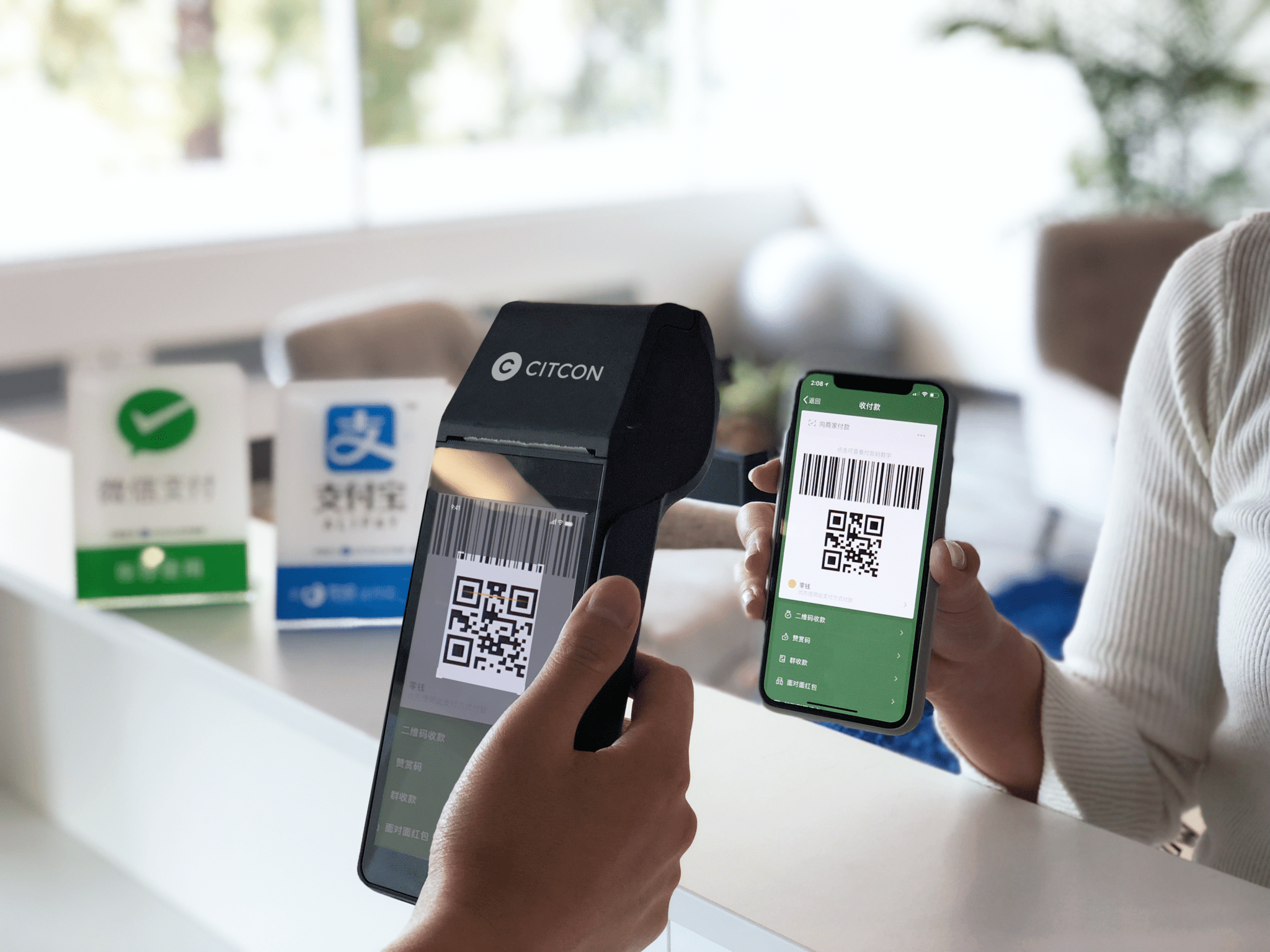
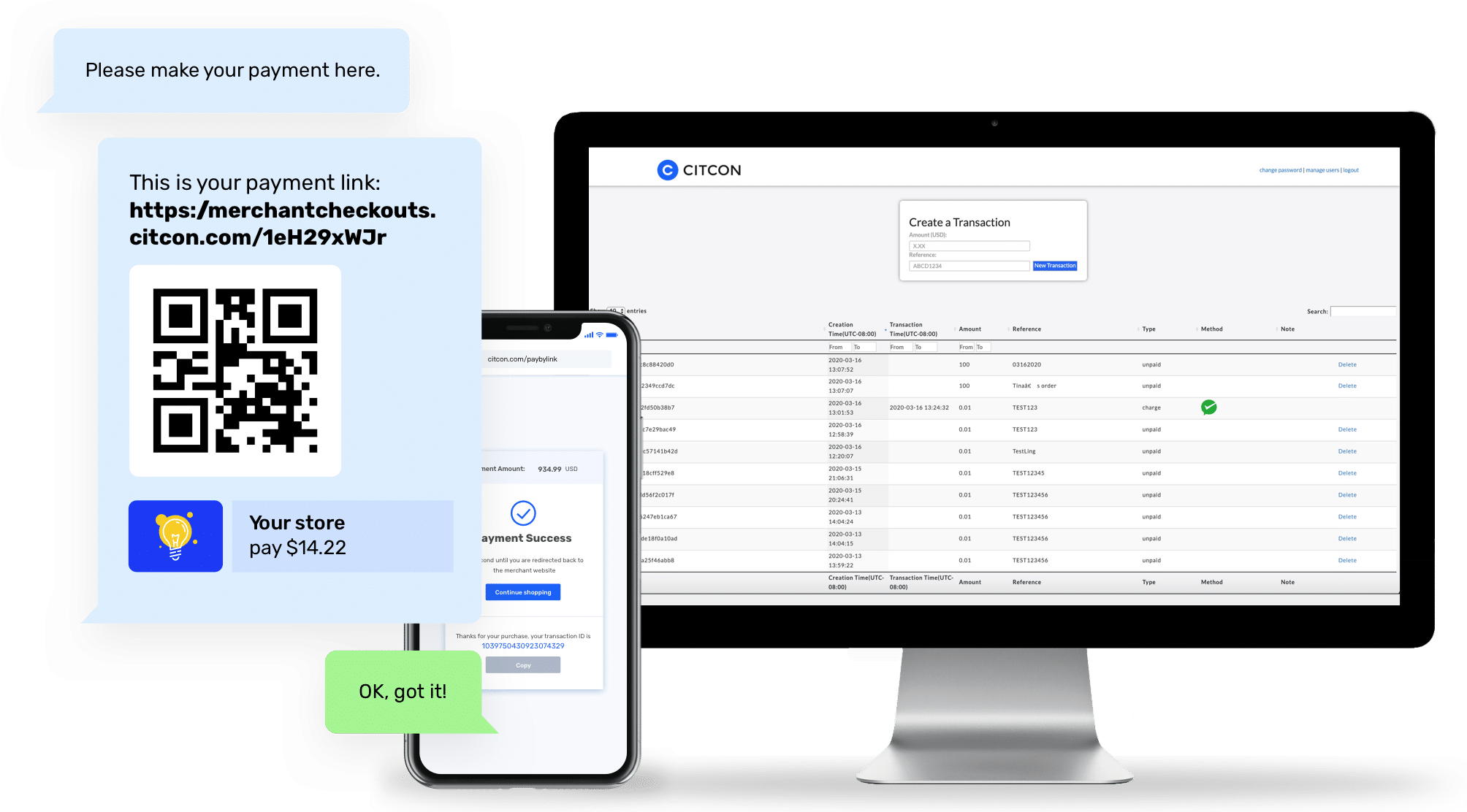
Citcon offers a comprehensive solution for businesses looking to integrate advanced payment technologies. With a single API, businesses can access over 100 payment methods, including popular APAC wallets and BNPL options.
Citcon’s platform is PCI-DSS Level 1 certified, ensuring the highest level of security and compliance. By partnering with Citcon, businesses can streamline their payment processes and enhance customer satisfaction.
For more insights, explore our recent posts on digital wallets and cross-border commerce.
What is the future of payment technology in 2026?
Payment technology in 2026 will be characterized by increased adoption of digital wallets, AI-driven solutions, and seamless cross-border transactions. According to Javelin (2026), these advancements will enhance consumer convenience and business efficiency.
How can businesses ensure payment security?
Businesses can ensure payment security by implementing robust cybersecurity measures, complying with regulations, and utilizing AI for fraud detection. A McKinsey report (2025) indicates that these strategies significantly reduce security risks.
What are the benefits of using digital wallets?
Digital wallets offer convenience, speed, and security. They enhance customer experience by providing quick and secure payment options. According to MarketsandMarkets (2025), digital wallet transactions are expected to grow by 20% annually.
How does AI improve payment processing?
AI improves payment processing by enhancing fraud detection, personalizing customer experiences, and automating routine tasks. Statista (2026) reports that AI can reduce processing errors by up to 30%.
What are the challenges of cross-border payments?
Cross-border payments face challenges such as currency conversion, regulatory compliance, and transaction delays. However, innovative solutions are addressing these issues, as highlighted by the People's Bank of China (2025).
How can businesses benefit from BNPL options?
Buy Now, Pay Later (BNPL) options increase customer purchasing power and boost sales. According to a Nilson Report (2025), businesses offering BNPL have seen a 25% increase in average order value.
What role does regulation play in payment technology?
Regulation ensures security, transparency, and consumer protection in payment technology. The Bank of Korea (2026) emphasizes that regulatory compliance is essential for maintaining trust in digital payments.
How can Citcon help businesses with payment integration?
Citcon simplifies payment integration with a single API that supports multiple payment methods, ensuring seamless and secure transactions. Our platform is designed to enhance operational efficiency and customer satisfaction.
Key Takeaways
- Trends to Watch: Digital wallets, AI, and cross-border payments are shaping the future.
- Challenges: Security, integration, and compliance are critical considerations.
- Benefits: Enhanced customer experience and operational efficiency.
- Solutions: Citcon offers comprehensive payment integration with PCI-DSS compliance.
- Future Outlook: Continued innovation will drive growth and transformation in payment technology.













.jpg)








.png)