Navigating Payment Technology in 2026: A Comprehensive Overview
WRITTEN BY

Dylan Coombs
Citcon
Commercial Leader
Date
Jun 22, 2026
Subscribe to our interesting updates
SHARE ON

In 2026, payment technology continues to evolve, offering businesses new opportunities to enhance their financial operations and improve customer experiences. This comprehensive overview explores the latest trends and strategies in payment technology.
The global payment technology market is expected to reach $12.6 trillion by 2026, driven by advancements in digital wallets and cross-border commerce (Statista, 2025). As businesses increasingly adopt digital payment solutions, the need for seamless, secure, and efficient transactions becomes paramount. According to Worldpay, contactless payments will account for 47% of all digital transactions by 2026 (Worldpay, 2025).
As we delve into the intricacies of payment technology, it's essential to understand the market context, identify the challenges faced by financial leaders, and explore the strategies for overcoming these hurdles. The integration of innovative payment solutions can significantly impact a company's bottom line, enhancing both revenue and customer satisfaction.
Understanding the Market Context
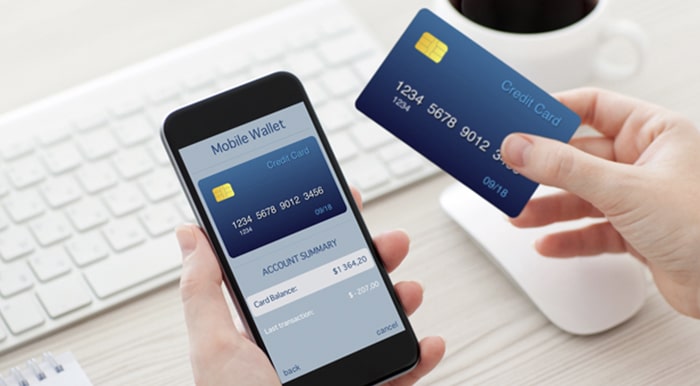
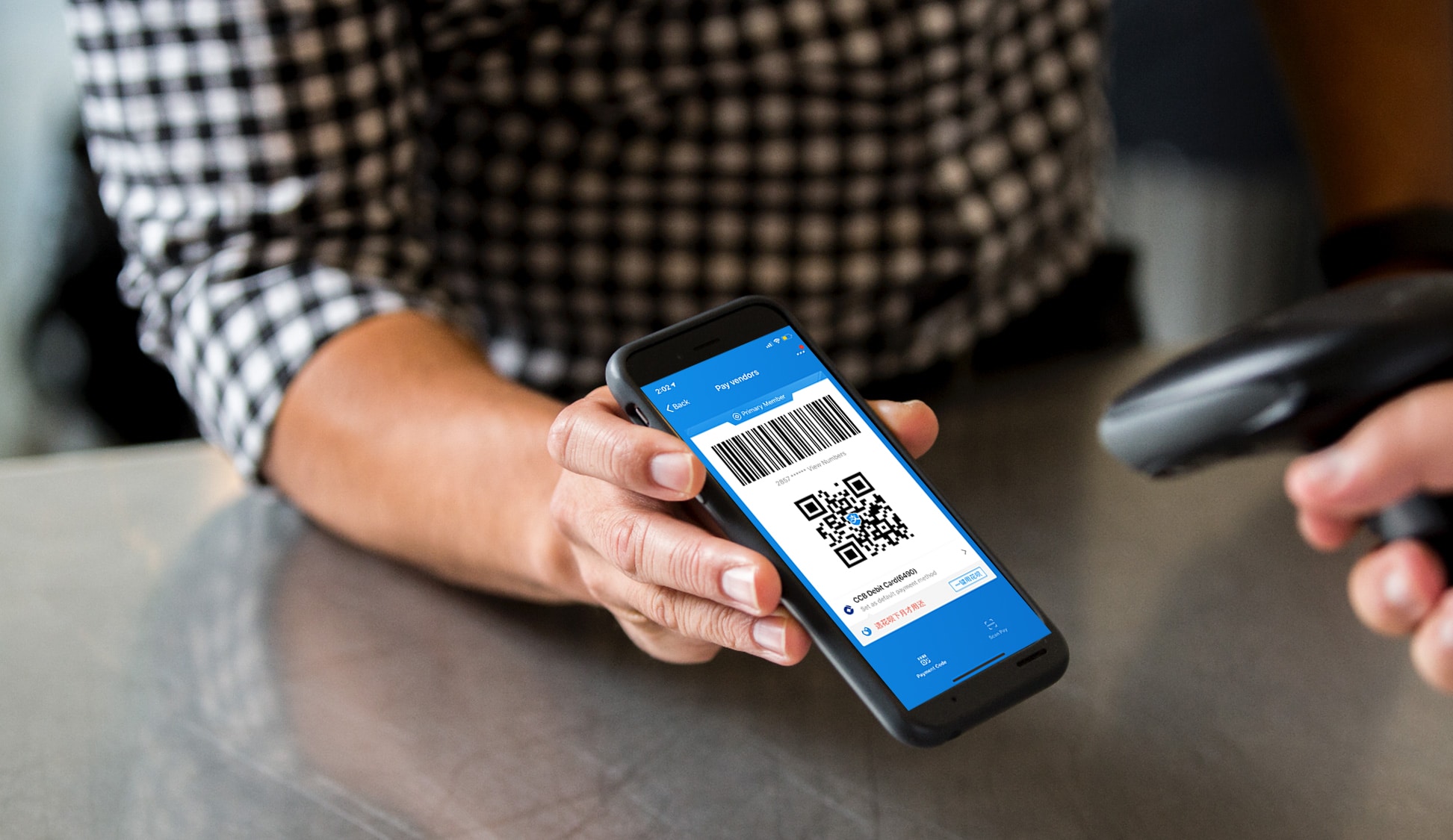
As the payment landscape evolves, businesses must navigate a complex ecosystem of technologies and regulations. The rise of digital wallets, cross-border transactions, and the integration of AI in payments are reshaping the industry. By 2026, digital wallets are projected to hold a 60% share of the global payments market (Deloitte, 2025).
Key factors driving this growth include:
- Consumer Demand: Increasing preference for convenient and secure payment methods.
- Technological Advancements: AI and blockchain are revolutionizing transaction processing.
- Regulatory Changes: New compliance requirements are emerging globally.
- Cross-Border Commerce: Expansion of global trade necessitates efficient payment solutions.
As these trends gain momentum, businesses must adapt to remain competitive. Financial leaders are tasked with implementing solutions that not only meet current demands but also anticipate future needs.
The Challenges Facing Financial Operations
Chief Financial Officers (CFOs) face numerous challenges in the rapidly evolving payment landscape. The stakes are high, as inefficient payment systems can lead to increased costs, security risks, and customer dissatisfaction. A real-world scenario illustrates these challenges: A multinational company struggled with outdated payment systems, resulting in delayed transactions and increased operational costs.
To address these issues, CFOs must prioritize the integration of advanced payment technologies. This includes ensuring compliance with international regulations and protecting against cybersecurity threats. The pressure to optimize financial operations while maintaining a competitive edge is a significant concern for financial leaders.
Implementing Payment Solutions: A Step-by-Step Guide
For businesses looking to implement effective payment solutions, a strategic approach is essential. The following steps provide a roadmap for successful integration:
- Assess Current Systems: Evaluate existing payment infrastructure and identify areas for improvement.
- Set Clear Objectives: Define goals for efficiency, security, and customer experience.
- Select the Right Technology: Choose solutions that align with business needs and future trends.
- Ensure Compliance: Stay updated with regulatory changes and implement necessary measures.
- Monitor and Optimize: Continuously evaluate the performance of payment systems and make adjustments as needed.
By following these steps, businesses can enhance their payment operations, reduce costs, and improve customer satisfaction.
Deep Dive into Payment Technologies
Payment technology encompasses a wide range of solutions, each offering unique benefits. Digital wallets, for instance, provide convenience and security, while Buy Now, Pay Later (BNPL) options offer flexibility to consumers. By 2026, BNPL is expected to account for 12% of global e-commerce transactions (Javelin, 2025).
Another critical technology is blockchain, which ensures transparency and security in transactions. According to Accenture, blockchain adoption in payments can reduce transaction costs by up to 30% (Accenture, 2025). Additionally, AI-driven analytics enable businesses to gain insights into consumer behavior, enhancing decision-making.
- Digital Wallets: Secure and convenient for consumers, driving increased adoption.
- BNPL: Offers flexibility, boosting sales and customer loyalty.
- Blockchain: Enhances security and reduces transaction costs.
- AI Analytics: Provides valuable insights into consumer trends.
Understanding these technologies and their applications is crucial for businesses looking to stay ahead in the competitive payment landscape.
Evaluating ROI of Payment Technologies
The return on investment (ROI) for payment technologies can be significant, with potential revenue uplifts and cost reductions. According to BCG, businesses that implement advanced payment solutions can see a revenue increase of up to 15% and a cost reduction of 20% (BCG, 2025).
These benefits are achieved through improved transaction efficiency, enhanced customer experiences, and streamlined operations. Additionally, businesses can leverage data analytics to optimize pricing strategies and personalize marketing efforts.
- Revenue Uplift: Enhanced customer experience leads to increased sales.
- Cost Reduction: Efficient systems reduce operational expenses.
- Improved Efficiency: Faster transactions enhance productivity.
- Data-Driven Insights: Analytics drive informed decision-making.
By investing in payment technologies, businesses can achieve substantial financial gains and strengthen their market position.
Citcon's Solution: Revolutionizing Payment Technology
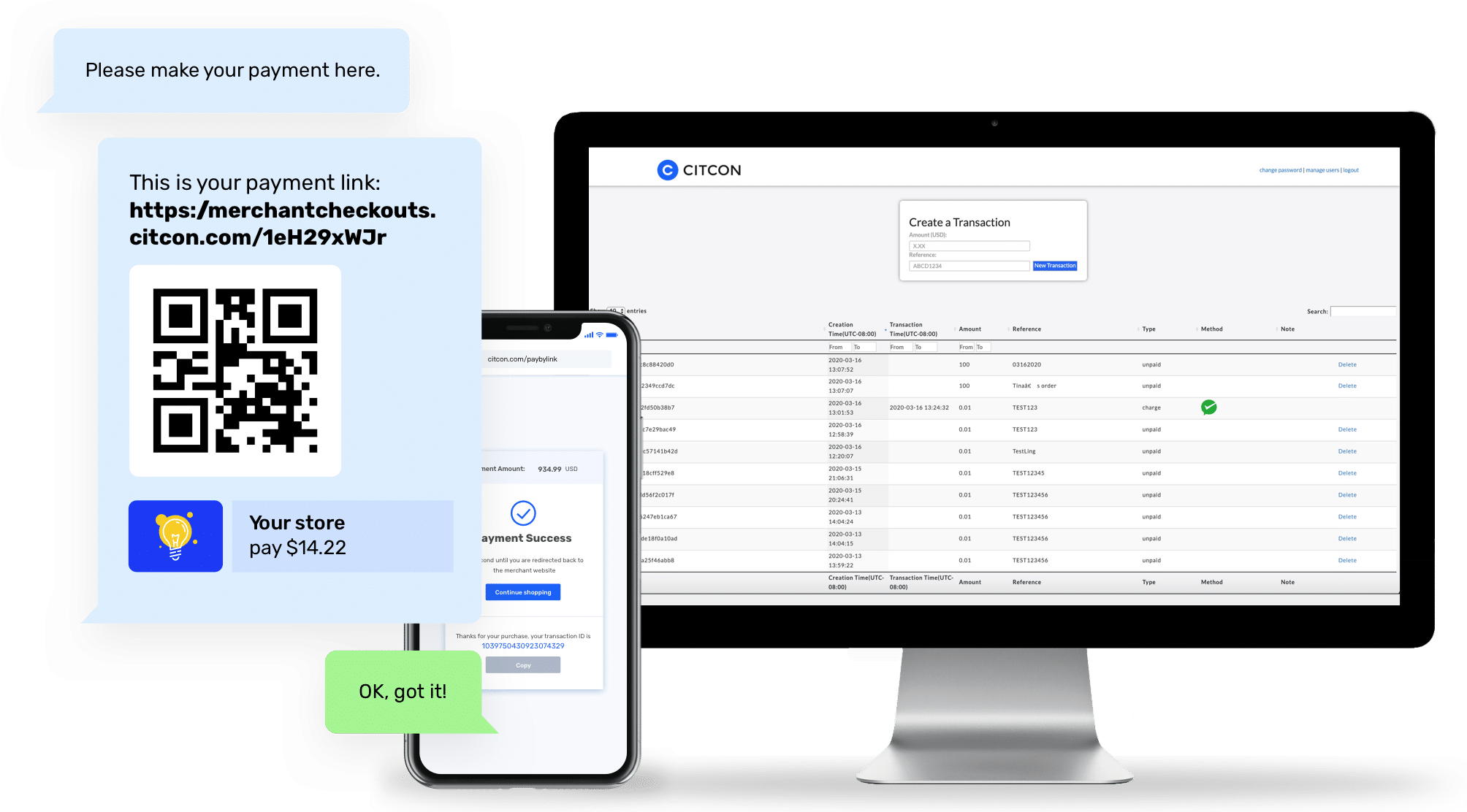
Citcon offers a comprehensive solution that addresses the challenges of modern payment technology. With a single API, businesses can access over 100 payment methods, including leading APAC digital wallets. Citcon's platform is PCI-DSS Level 1 certified, ensuring the highest level of security.
Key features include seamless integration, support for Buy Now, Pay Later options, and real-time analytics. By partnering with Citcon, businesses can enhance their payment operations and deliver superior customer experiences.
Explore our recent posts on cross-border commerce strategies and digital wallet adoption trends for more insights.
Frequently Asked Questions
What are the key payment trends in 2026?
In 2026, key payment trends include the rise of digital wallets, increased adoption of BNPL, and the integration of blockchain and AI technologies. These trends are driven by consumer demand for convenience and security (Worldpay, 2025).
How can businesses ensure compliance with payment regulations?
Businesses can ensure compliance by staying updated with regulatory changes, implementing robust security measures, and partnering with compliant payment providers. Regular audits and employee training are also essential (PwC, 2025).
What are the benefits of using digital wallets?
Digital wallets offer enhanced security, convenience, and speed for consumers. They also reduce transaction costs for businesses and provide valuable data insights into consumer behavior (Deloitte, 2025).
How does BNPL impact consumer spending?
BNPL options increase consumer spending by offering flexible payment terms. This leads to higher sales and improved customer loyalty, as consumers appreciate the ability to spread payments over time (Javelin, 2025).
What role does AI play in payment technology?
AI enhances payment technology by providing data-driven insights, automating processes, and improving fraud detection. These capabilities lead to increased efficiency and better decision-making for businesses (Accenture, 2025).
How can blockchain improve transaction security?
Blockchain technology ensures transaction security through decentralized ledgers, which prevent tampering and fraud. This results in reduced risks and increased trust among stakeholders (BCG, 2025).
Why is cross-border commerce important for businesses?
Cross-border commerce expands market reach and increases revenue potential. Efficient payment solutions are crucial for overcoming challenges such as currency conversion and regulatory compliance (Edgar Dunn, 2025).
How does Citcon enhance payment operations?
Citcon enhances payment operations by providing a single API for multiple payment methods, ensuring compliance, and offering real-time analytics. This leads to improved efficiency and customer satisfaction (Citcon, 2026).
Key Takeaways
- Market Growth: Payment technology is rapidly evolving, with digital wallets leading the way.
- Challenges: Financial leaders face regulatory and security challenges in implementation.
- Benefits: Advanced payment solutions offer significant ROI through revenue uplift and cost reduction.
- Citcon Advantage: Citcon provides a secure, comprehensive payment solution for global businesses.














.jpg)







.png)