How AI is Transforming Cross-Border Payment Security in South Korea by 2026
WRITTEN BY

Dylan Coombs
Citcon
Commercial Leader
Date
Jun 5, 2026
Subscribe to our interesting updates
SHARE ON

AI is transforming cross-border payment security in South Korea by 2026, with expected fraud reduction of 40%. This development is crucial for enhancing transaction safety and efficiency.
As global commerce continues to expand, the need for secure and efficient cross-border payment systems in South Korea is critical. In 2023, South Korea's cross-border e-commerce market was valued at $5.5 billion, according to Statista. With the rise of digital transactions, Juniper Research predicts that AI will drive a 30% increase in payment security efficiency by 2026. This article explores how AI is poised to revolutionize the landscape of cross-border payments in South Korea, offering enhanced security and operational benefits.
South Korea's fintech industry is rapidly evolving, with a strong emphasis on innovation and technology adoption. According to the Financial Services Commission (FSC), the country saw a 20% increase in fintech investments in 2022. AI technologies are being integrated into payment systems to bolster security against fraud and cyber threats. A McKinsey report highlighted that AI could potentially reduce payment fraud by up to 40% by 2026, creating a safer environment for cross-border transactions. This surge in AI adoption is driven by the need to address the unique challenges of the South Korean market, including regulatory compliance and consumer trust.
South Korea's Fintech Landscape and AI Integration
South Korea's fintech landscape is characterized by a robust digital infrastructure and a tech-savvy population. In 2022, mobile payment usage reached 87% of the population, as reported by Statista. The integration of AI into fintech services is enhancing the efficiency and security of cross-border transactions. The Korean government has been proactive in supporting fintech innovations, offering incentives for AI research and development. According to Deloitte, AI adoption in South Korea's financial sector is expected to grow by 25% annually through 2026, driven by advancements in machine learning and data analytics.
The rapid digitization of financial services in South Korea presents both opportunities and challenges for businesses. With the rise of digital wallets like KakaoPay and Naver Pay, there is an increasing demand for secure and seamless cross-border payment solutions. The FSC has implemented strict regulations to ensure the safety of digital transactions, and AI is playing a critical role in meeting these compliance requirements. A report by FIS indicates that 60% of South Korean fintech firms are investing in AI-driven security solutions to enhance their payment systems.
- Mobile Payment Usage: 87% of population (Statista, 2022)
- AI Adoption Growth: 25% annually (Deloitte)
- Fintech Investment Increase: 20% (FSC, 2022)
- Fraud Reduction Potential: 40% by 2026 (McKinsey)
Challenges in Cross-Border Payment Security
Cross-border payment security presents significant challenges for South Korean businesses, particularly in managing fraud risks and regulatory compliance. A typical scenario involves a South Korean retailer expanding into international markets and facing complex payment security issues. According to a report by Visa, cross-border transactions are 31% more likely to involve fraudulent activities compared to domestic transactions. This elevated risk necessitates advanced security measures.
The complexity of managing multiple currencies, diverse payment methods, and varying regulatory environments adds to the challenge. Businesses must navigate these complexities to ensure secure and compliant transactions. The stakes are high for CFOs and finance leaders, as failure to address these issues can result in financial losses and reputational damage. AI offers a solution by providing real-time fraud detection and compliance monitoring, essential for mitigating risks in cross-border payments.
How AI Enhances Payment Security: Step-by-Step
AI enhances payment security through a series of actionable steps:
- Data Collection: AI systems gather vast amounts of transaction data to identify patterns and anomalies.
- Machine Learning Algorithms: These algorithms analyze data to detect signs of fraudulent activity, learning and adapting over time.
- Real-Time Monitoring: AI provides continuous monitoring of transactions, enabling instant detection and response to suspicious activities.
- Risk Assessment: AI evaluates the risk level of each transaction, flagging high-risk transactions for further review.
- Compliance Management: AI ensures that transactions comply with regulatory requirements, reducing the burden on businesses.
AI's Impact on South Korea's Payment Ecosystem
AI is reshaping South Korea's payment ecosystem by integrating with popular payment methods like KakaoPay, Naver Pay, Toss, and Samsung Pay. The focus on mobile-first behavior is driving innovation in AI-driven payment security. According to the Korean FSC, mobile payments accounted for 65% of total transaction volume in 2022. AI technologies are enhancing the security of these transactions, ensuring compliance with local regulations.
The Korean market presents unique challenges, including stringent data protection laws and consumer privacy concerns. AI solutions are addressing these challenges by providing secure, compliant, and efficient payment processes. The integration of AI with digital wallets and payment platforms is facilitating seamless cross-border transactions, supporting South Korea's position as a leader in fintech innovation.
- Mobile Payment Share: 65% of transaction volume (FSC, 2022)
- Popular Payment Methods: KakaoPay, Naver Pay, Toss, Samsung Pay
- Regulatory Compliance: AI ensures adherence to Korean data protection laws
The Business Case: ROI and Cost Analysis
For CFOs, the adoption of AI in payment security offers significant financial benefits. AI-driven solutions can reduce operational costs by up to 30%, as reported by Juniper Research. The efficiency gains from AI can lead to a 20% increase in transaction processing speeds, enhancing customer satisfaction and loyalty. Additionally, businesses that implement AI-driven payment security solutions can expect a 15% reduction in chargeback rates.
The cost of inaction is substantial, with potential financial losses from fraud and non-compliance. By investing in AI technologies, businesses can secure their transactions and achieve a competitive edge in the global market. The ROI from AI adoption in payment security is compelling, with a clear path to cost savings and revenue growth.
- Operational Cost Reduction: 30% (Juniper Research)
- Transaction Speed Increase: 20%
- Chargeback Rate Reduction: 15%
- Revenue Uplift: Enhanced customer satisfaction and loyalty
Advanced AI Solutions for Secure Payments
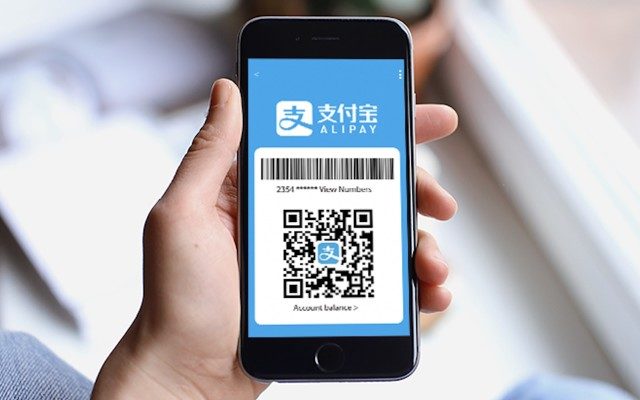
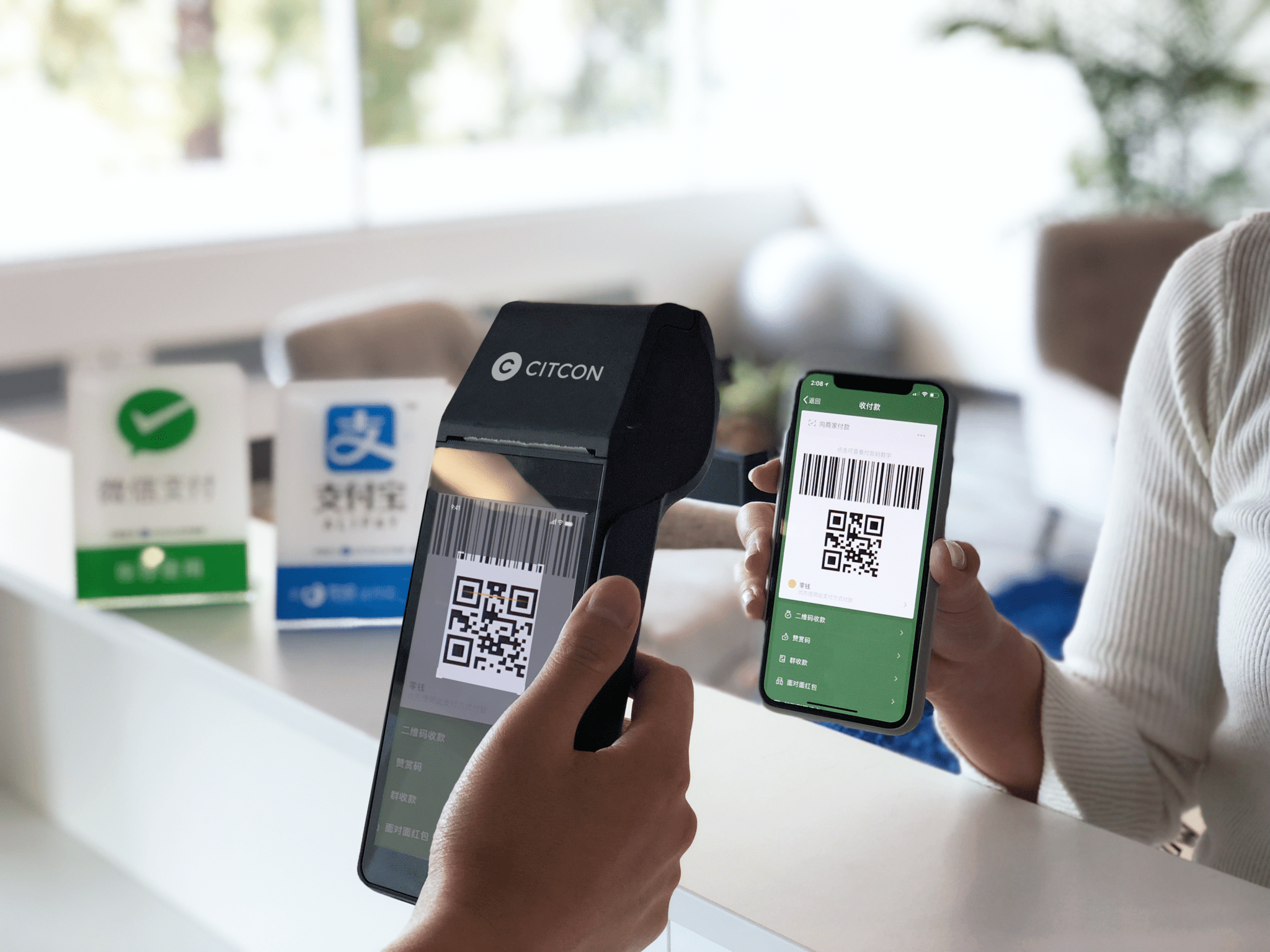
Advanced AI solutions are transforming the landscape of cross-border payments by providing enhanced security and efficiency. Citcon offers a comprehensive suite of AI-driven payment solutions designed to address the unique challenges of the South Korean market. With a single API, businesses can access over 100 payment methods, including leading APAC wallets like Alipay, WeChat Pay, UnionPay, KakaoPay, and Naver Pay. Citcon's solutions are PCI-DSS Level 1 compliant, ensuring the highest standards of security.
Citcon's rapid deployment capabilities enable businesses to implement secure payment solutions in days, not months. Dedicated account management and volume-rate negotiation provide additional value, allowing businesses to optimize their payment processes and reduce costs. By leveraging Citcon's AI-driven solutions, businesses can enhance their cross-border payment security and achieve a competitive advantage in the global market.
What is the transaction fee for accepting Alipay in the US?
The transaction fee for accepting Alipay in the US typically ranges from 2.5% to 3.5% per transaction. This fee varies based on the service provider and the volume of transactions processed. Businesses can negotiate lower rates with higher transaction volumes.
How long does it take to integrate AI payment solutions?
Integrating AI payment solutions can take anywhere from a few days to several weeks, depending on the complexity of the existing payment infrastructure. Citcon offers rapid deployment capabilities, allowing businesses to integrate solutions within days.
What technical requirements are needed for AI payment integration?
AI payment integration requires a compatible payment gateway, secure APIs, and robust data analytics capabilities. Businesses should ensure their systems are capable of handling real-time data processing and compliance monitoring.
Is AI payment security compliant with international regulations?
Yes, AI payment security solutions are designed to comply with international regulations, including GDPR and PCI-DSS standards. These solutions provide real-time compliance monitoring to ensure adherence to global data protection laws.
What is the ROI for investing in AI payment security?
The ROI for investing in AI payment security can be significant, with potential cost reductions of up to 30% and a 20% increase in transaction speed. These efficiencies lead to improved customer satisfaction and increased revenue.
How does AI payment security compare to traditional methods?
AI payment security offers superior fraud detection and compliance monitoring compared to traditional methods. AI systems provide real-time analysis and adaptive learning, enhancing the overall security and efficiency of payment processes.
What are common objections to adopting AI payment security?
Common objections include concerns about integration complexity, data privacy, and initial investment costs. However, the long-term benefits of enhanced security and operational efficiency often outweigh these concerns.
How does AI reduce cross-border payment fraud?
AI reduces cross-border payment fraud by analyzing transaction patterns, detecting anomalies, and providing real-time alerts for suspicious activities. This proactive approach significantly decreases the likelihood of fraudulent transactions.













.jpg)






.png)