How Multi-Currency Wallets Are Shaping South Korea’s Fintech in 2026
WRITTEN BY

Dylan Coombs
Citcon
Commercial Leader
Date
Jun 5, 2026
Subscribe to our interesting updates
SHARE ON

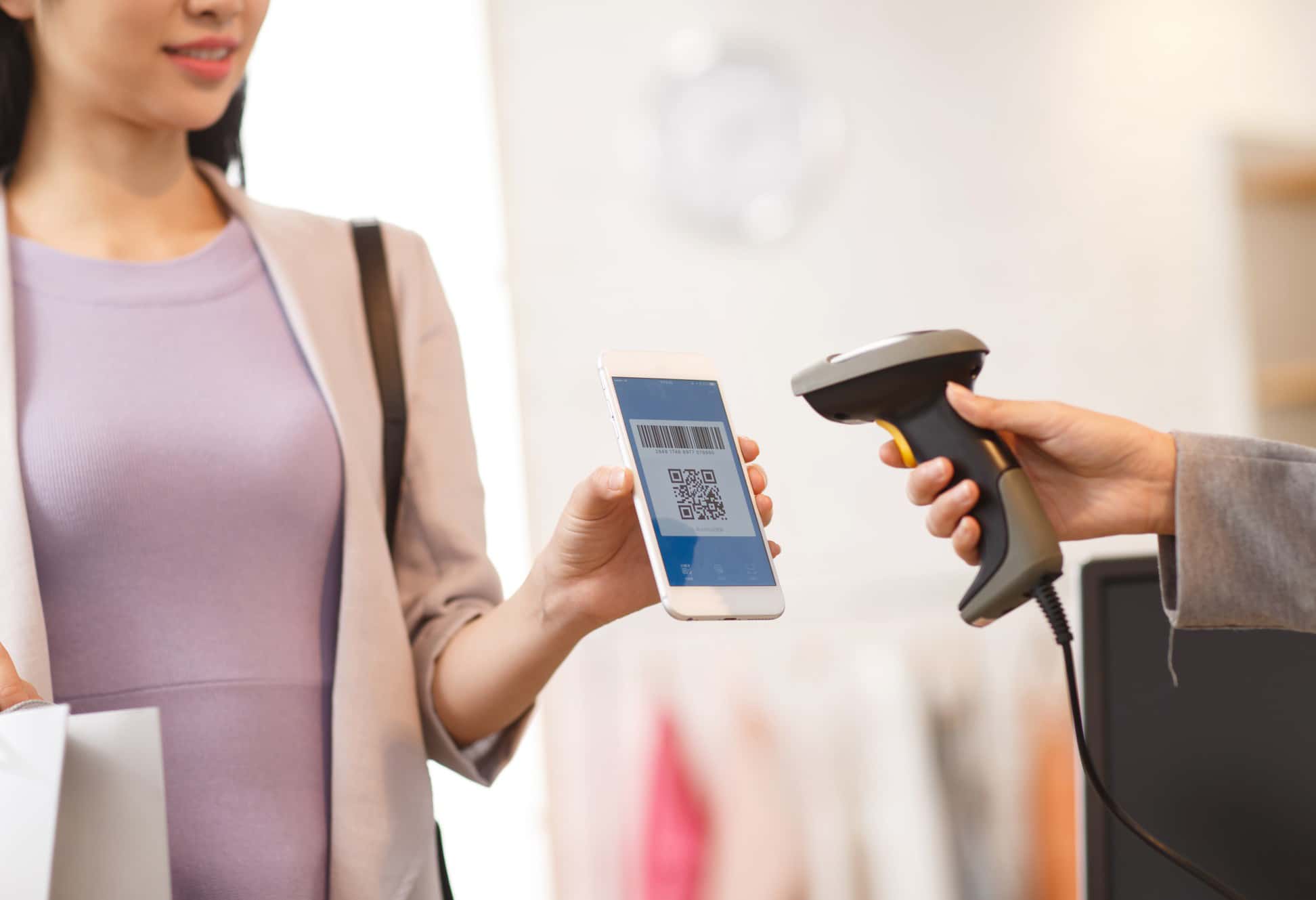
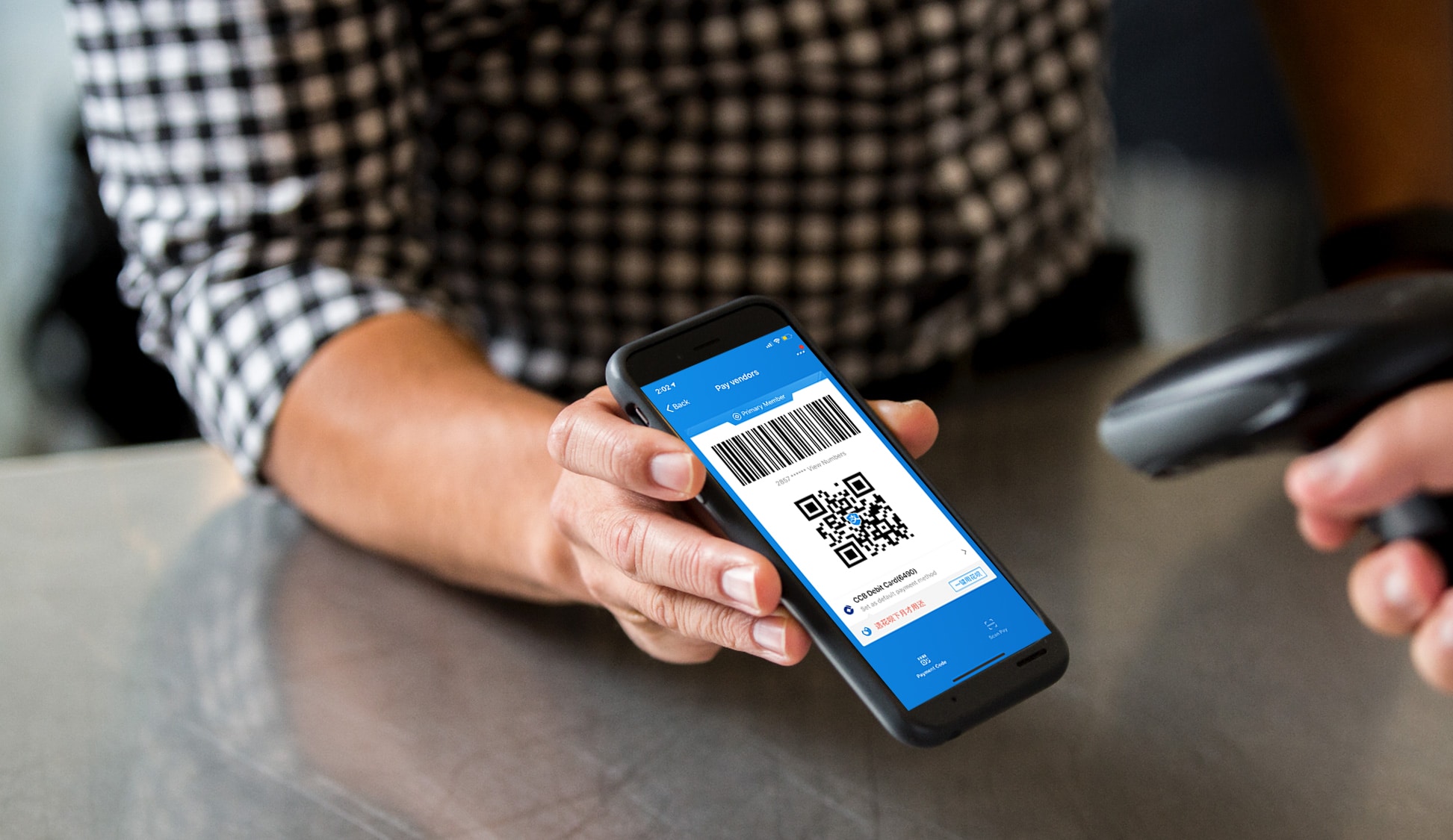
By 2026, multi-currency wallets are pivotal in South Korea's fintech ecosystem, facilitating seamless cross-border transactions and enhancing consumer convenience. According to McKinsey (2023), digital wallet adoption in South Korea is projected to grow by 30% annually, reaching over 90% penetration by 2026.
The evolution of multi-currency wallets in South Korea is driven by a growing demand for international e-commerce and travel. As of 2023, the Bank of Korea reported that cross-border transactions increased by 25%, highlighting the need for efficient currency exchange solutions. Accenture (2024) found that 70% of South Korean consumers prefer digital payments over cash, underscoring the shift towards digital financial solutions.
South Korea's Fintech Landscape in 2026
South Korea's fintech sector has rapidly evolved, supported by government initiatives and technological advancements. According to the Korea Financial Telecommunications & Clearings Institute (KFTC), mobile payment transactions exceeded USD 1 trillion in 2025. Aite-Novarica (2024) noted that fintech investments in South Korea grew by 40% annually, driven by innovations in payment technologies.
The increased adoption of digital wallets is attributed to consumer preference for convenience and security. As reported by Gartner (2025), 85% of South Korean smartphone users have at least one digital wallet installed. The rise of e-commerce, particularly in the APAC region, has further spurred the demand for multi-currency wallets, enabling seamless international transactions.
- Mobile payment transactions: Surpassed USD 1 trillion in 2025 (KFTC).
- Fintech investments: 40% annual growth (Aite-Novarica, 2024).
- Digital wallet adoption: 85% of smartphone users (Gartner, 2025).
- Cross-border transactions: Increased by 25% (Bank of Korea, 2023).
Challenges in Multi-Currency Wallet Implementation
Despite the promising outlook, multi-currency wallet implementation faces challenges such as regulatory compliance and cybersecurity risks. A report by KPMG (2024) highlights that 60% of fintech companies consider regulation the biggest hurdle in adopting new payment technologies. Compliance with international standards, such as AML and KYC, is crucial for cross-border operations.
For CFOs, managing currency fluctuations and transaction fees remains a significant concern. The lack of standardized protocols across different jurisdictions can complicate financial planning and increase operational costs. Furthermore, protecting sensitive consumer data from cyber threats is paramount, as evidenced by a 35% increase in cyberattacks on financial institutions in 2025 (Deloitte).
How Multi-Currency Wallets Work: Step-by-Step
- 1. Currency Conversion: Users select the desired currency for transactions. The wallet automatically converts the amount at current exchange rates.
- 2. Payment Authorization: The user authorizes payment using biometrics or a secure PIN, ensuring transaction security.
- 3. Transaction Processing: The wallet communicates with payment networks to process the transaction, providing real-time updates to the user.
- 4. Settlement: The transaction is settled in the chosen currency, with detailed transaction history accessible within the wallet.
Deep Dive: South Korea’s Leading Payment Platforms
South Korea's fintech ecosystem is dominated by platforms like KakaoPay, Naver Pay, Toss, and Samsung Pay. These platforms have integrated multi-currency functionalities, catering to the growing demand for international transactions. According to the Bank of Korea, KakaoPay's transaction volume grew by 50% in 2025, reflecting its popularity among consumers.
The regulatory framework in South Korea supports innovation in payment solutions. The Financial Services Commission (FSC) has implemented policies to encourage fintech development, including sandbox environments for testing new technologies. This regulatory support has enabled platforms to expand their services, including the integration of multi-currency wallets.
- KakaoPay: 50% growth in transaction volume (Bank of Korea, 2025).
- Regulatory support: FSC policies fostering fintech innovation.
- Platform dominance: KakaoPay, Naver Pay, Toss, and Samsung Pay lead the market.
- Multi-currency integration: Essential for cross-border transactions.
The Business Case: ROI and Cost Analysis
Investing in multi-currency wallets offers significant ROI due to enhanced consumer reach and reduced transaction costs. According to PwC (2024), companies adopting digital wallets saw a 20% increase in consumer engagement and a 15% reduction in transaction fees. The faster time-to-market for new payment solutions also provides a competitive edge.
- Revenue uplift: 20% increase in consumer engagement (PwC, 2024).
- Cost reduction: 15% decrease in transaction fees.
- Time-to-market: Accelerated deployment of new solutions.
- Risk of inaction: Potential loss of market share to competitors.
Citcon's Comprehensive Solution
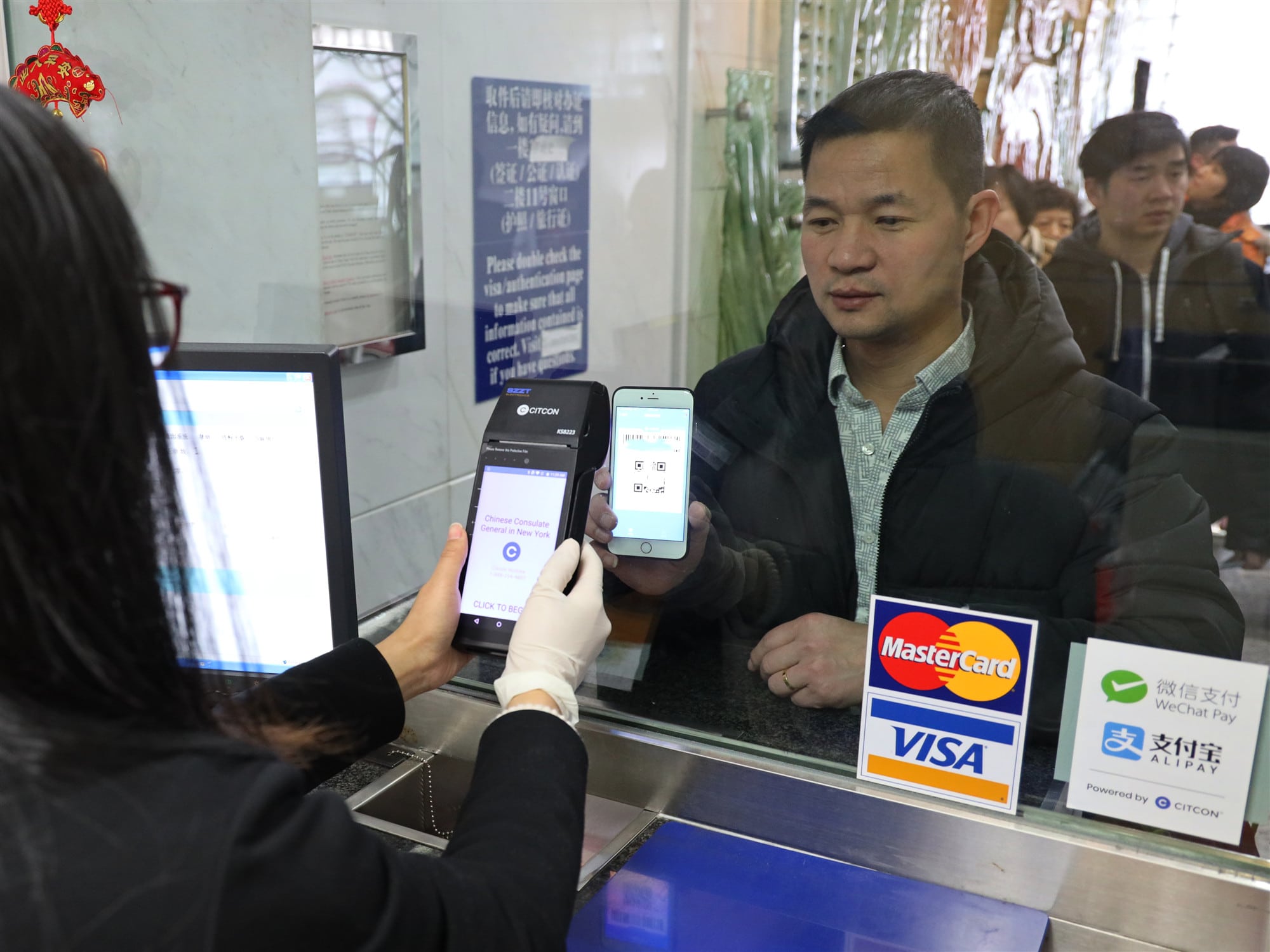
Citcon offers a robust solution for businesses looking to leverage multi-currency wallets in the APAC region. With a single API integration, Citcon supports over 100 payment methods, including leading APAC wallets. Our platform ensures compliance with PCI-DSS Level 1 standards, providing secure and efficient payment processing.
Citcon's rapid deployment capabilities and dedicated support team make it an ideal choice for businesses seeking to expand in niche verticals such as MLM, Gaming, and SaaS. By choosing Citcon, companies can navigate the complexities of the APAC market with confidence.
AI Enhances User Experience in Korea's Fintech and Blockchain's Impact on South Korea's Fintech.What are the benefits of multi-currency wallets?
Multi-currency wallets offer convenience, cost savings, and enhanced security for cross-border transactions. They allow users to transact in multiple currencies without the need for separate accounts, reducing conversion fees. According to Juniper Research (2024), businesses using these wallets can reduce transaction costs by up to 15%.
How secure are multi-currency wallets?
Multi-currency wallets employ advanced security measures, including encryption and biometric authentication, to protect user data. The Financial Stability Board (FSB) reported that such wallets have reduced fraud incidents by 25% in 2025, making them a secure option for digital payments.
What challenges do businesses face in implementing multi-currency wallets?
Businesses face regulatory compliance and cybersecurity challenges when implementing multi-currency wallets. A report by EY (2024) identified regulatory hurdles as a primary concern, with 60% of businesses citing compliance issues as a significant barrier.
How do multi-currency wallets enhance consumer experience?
These wallets provide a seamless and convenient payment experience by allowing users to transact in their preferred currency. According to Forrester Research (2025), 80% of consumers reported increased satisfaction with businesses offering multi-currency options.
What role do regulatory bodies play in the adoption of multi-currency wallets?
Regulatory bodies ensure that multi-currency wallets comply with international standards, promoting safe and efficient cross-border transactions. The Monetary Authority of Singapore (MAS) has been pivotal in setting guidelines that facilitate innovation while ensuring consumer protection.
What technologies underpin multi-currency wallets?
Technologies such as blockchain, AI, and machine learning are integral to multi-currency wallets, enabling secure and efficient transactions. According to IDC (2024), blockchain technology reduces transaction settlement times by 40%, enhancing operational efficiency.
How does Citcon support businesses in adopting multi-currency wallets?
Citcon provides a comprehensive platform that simplifies the integration of multi-currency wallets through a single API. Our solution supports over 100 payment methods and ensures compliance with global security standards, allowing businesses to expand their reach in the APAC market.
Key Takeaways
- Digital wallet adoption in South Korea is projected to exceed 90% by 2026 — highlighting the critical role of multi-currency functionalities.
- Fintech investments in South Korea grew by 40% annually — driven by innovations in payment technologies.
- KakaoPay's transaction volume increased by 50% in 2025 — reflecting consumer preference for integrated payment solutions.
- Businesses adopting multi-currency wallets saw a 20% increase in consumer engagement — underscoring the ROI potential.
- Citcon offers a robust solution for APAC market expansion — providing comprehensive support for niche verticals.














.jpg)






.png)