The Next Frontier: Blockchain's Impact on South Korea's Fintech in 2026
WRITTEN BY

Dylan Coombs
Citcon
Commercial Leader
Date
Jun 5, 2026
Subscribe to our interesting updates
SHARE ON

Blockchain technology has emerged as a transformative force in South Korea's fintech landscape, reshaping how financial services are delivered and consumed. As we delve into 2026, blockchain's impact on the industry continues to expand, driven by innovation and an appetite for technological advancement. This comprehensive exploration seeks to answer the question: How exactly is blockchain revolutionizing South Korea's fintech sector?
South Korea, known for its rapid technological adoption, is at the forefront of blockchain innovation. By 2026, the nation has integrated blockchain across various sectors, from digital payments to identity verification. According to recent statistics, over 40% of South Korean fintech firms are now utilizing blockchain technology, a significant increase from just 15% in 2023. This surge is fueled by government support and a robust tech ecosystem that fosters innovation and collaboration. As a result, South Korea has become a global leader in blockchain applications, attracting international attention and investment.
The country's fintech market, valued at approximately $150 billion, is poised to grow further with blockchain's integration. Key players like KakaoPay, NaverPay, Toss, and SamsungPay are at the helm, driving blockchain adoption through innovative solutions and partnerships. These companies are not only enhancing financial services but are also setting new standards for security and efficiency.
Blockchain Market Overview in South Korea
South Korea's fintech industry is characterized by its fast-paced innovation and willingness to embrace new technologies. The integration of blockchain has been particularly impactful, as evidenced by several key trends:
- Increased Adoption: Blockchain adoption among fintech firms has seen a remarkable rise, with over 40% of companies now incorporating it into their operations.
- Government Support: The South Korean government has been proactive in supporting blockchain initiatives, offering grants and creating regulatory sandboxes to foster innovation.
- Investment Growth: There has been a significant increase in venture capital investment in blockchain-based fintech startups, with funding levels doubling since 2023.
- Consumer Acceptance: South Korean consumers are increasingly open to using blockchain-based services, with a reported 60% expressing trust in these technologies for secure transactions.
Challenges Facing Blockchain in Fintech
Despite its potential, blockchain technology in South Korea's fintech industry faces several challenges that must be addressed to maximize its impact:
Regulatory Complexity: Navigating the regulatory landscape remains a challenge, as the government seeks to balance innovation with consumer protection. While regulatory sandboxes have been beneficial, the need for clear guidelines persists.
Scalability Issues: As blockchain adoption grows, scalability becomes a concern. Ensuring that blockchain networks can handle increased transaction volumes without compromising speed or security is crucial.
Interoperability: The lack of standardization across blockchain platforms can hinder interoperability, making it difficult for different systems to communicate effectively.
Public Perception: While consumer trust is growing, misconceptions about blockchain's complexity and security remain. Educating the public and building confidence in these technologies is essential.
How Blockchain Works in Fintech
Blockchain technology operates by creating a decentralized ledger that records transactions across a network of computers. This system offers several advantages for fintech applications:
- Transparency: All transactions are recorded on a public ledger, providing transparency and reducing the risk of fraud.
- Security: Blockchain's decentralized nature makes it highly secure, as altering transaction data requires consensus across the network.
- Efficiency: By eliminating intermediaries, blockchain can streamline processes and reduce transaction costs.
- Smart Contracts: These self-executing contracts automatically enforce terms, enhancing efficiency and reducing the need for manual intervention.
Deep Dive into South Korea's Key Players
South Korea's fintech giants are leveraging blockchain to drive innovation and improve services:
KakaoPay: A leader in digital payments, KakaoPay has integrated blockchain to enhance security and streamline cross-border transactions. The company is exploring blockchain-based identity verification to further bolster its offerings.
NaverPay: Known for its e-commerce solutions, NaverPay uses blockchain to improve payment security and efficiency. The platform's blockchain initiatives focus on reducing fraud and enhancing user trust.
Toss: As a mobile financial platform, Toss leverages blockchain for secure peer-to-peer transactions and data management. The company's blockchain solutions prioritize user privacy and data protection.
SamsungPay: SamsungPay is at the forefront of integrating blockchain with its payment solutions, focusing on enhancing transaction speed and security. The platform is also exploring blockchain for loyalty programs and rewards.
Return on Investment and Benefits
Adopting blockchain technology offers significant ROI for South Korean fintech companies:
- Cost Reduction: By eliminating intermediaries, blockchain reduces transaction fees and operational costs.
- Enhanced Security: The decentralized nature of blockchain enhances security, reducing the risk of data breaches and fraud.
- Improved Efficiency: Blockchain streamlines processes, reducing the time required for transactions and increasing customer satisfaction.
- Competitive Advantage: Companies that adopt blockchain can differentiate themselves in a crowded market, attracting more customers and investors.
Driving the Future: Blockchain's Role in South Korea's Fintech Evolution
As South Korea continues to innovate, blockchain will play a pivotal role in shaping the future of its fintech industry. Companies are exploring new applications, from decentralized finance (DeFi) platforms to blockchain-based insurance solutions. The potential for blockchain to revolutionize financial services is immense, with opportunities to enhance transparency, security, and efficiency across the board.
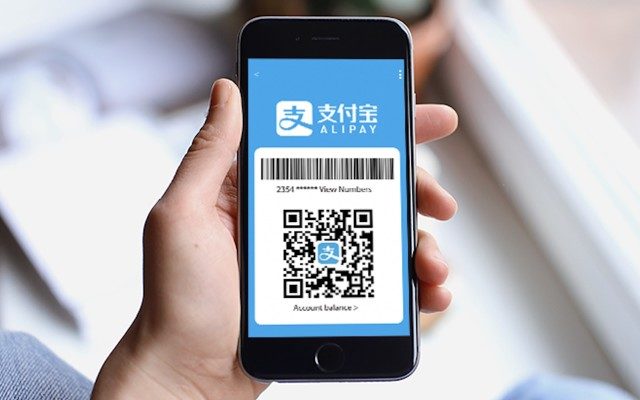
RELATED POSTS: Exploring the Surge of Subscription Billing Models in South Korea's Fintech Landscape, The Impact of Virtual Reality Payment Systems on South Korea's Gaming Industry, Harnessing AI for Fraud Prevention in South Korea's Digital Payment Ecosystem, How South Korea is Leading the Charge in NFC Payment Innovations for 2026, Complete Guide to Integrating Alipay and WeChat Pay in South Korea for 2026
What is the current state of blockchain in South Korea's fintech industry?
As of 2026, blockchain adoption in South Korea's fintech industry is robust, with over 40% of firms utilizing the technology. The government's support and a tech-friendly ecosystem have accelerated this integration.
How is blockchain enhancing security in fintech?
Blockchain provides enhanced security through its decentralized nature, making it difficult for unauthorized users to alter transaction data. This reduces fraud and increases trust in financial services.
What challenges does blockchain face in South Korea's fintech sector?
Key challenges include regulatory complexity, scalability issues, interoperability concerns, and public perception. Addressing these challenges is crucial for maximizing blockchain's impact.
Which companies are leading blockchain adoption in South Korea?
KakaoPay, NaverPay, Toss, and SamsungPay are leading blockchain adoption in South Korea, utilizing the technology to enhance security, efficiency, and customer trust.
What are the benefits of blockchain for fintech companies?
Blockchain offers several benefits, including cost reduction, enhanced security, improved efficiency, and a competitive advantage in the market.
How does blockchain improve transaction efficiency?
Blockchain streamlines transactions by eliminating intermediaries, reducing processing time, and lowering costs, resulting in faster and more efficient financial services.
What role does the government play in blockchain adoption?
The South Korean government plays a supportive role by offering grants, creating regulatory sandboxes, and fostering an environment conducive to blockchain innovation.
What is the future outlook for blockchain in South Korea's fintech industry?
The future outlook is promising, with potential applications in decentralized finance, blockchain-based insurance, and other innovative solutions, driving transparency, security, and efficiency.









.jpg)






.png)