Complete Guide to Integrating Alipay and WeChat Pay in South Korea for 2026
WRITTEN BY

Dylan Coombs
Citcon
Commercial Leader
Date
Jun 4, 2026
Subscribe to our interesting updates
SHARE ON

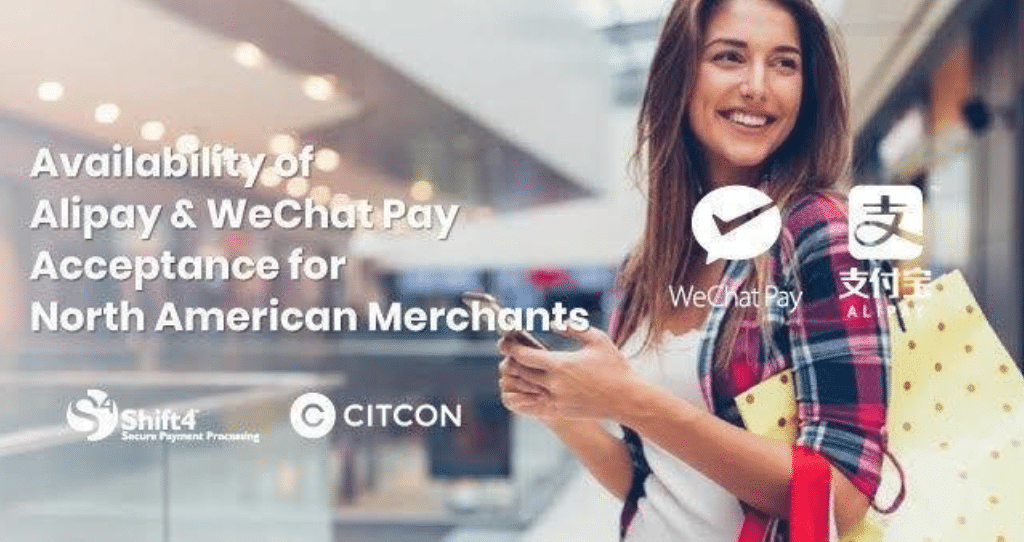
Integrating Alipay and WeChat Pay in South Korea by 2026 offers Western merchants a significant opportunity to enhance the checkout experience, tapping into an estimated 45% increase in mobile payment adoption in the region.
The South Korean mobile payment market is rapidly evolving, with digital transactions projected to reach $290 billion by 2026 (Statista, 2023). The rise in smartphone penetration and consumer preference for seamless payments are driving this transformation. Despite this growth, Western merchants face challenges in adapting to local payment preferences, particularly with the dominance of APAC digital wallets like Alipay and WeChat Pay.
According to eMarketer (2022), mobile payment usage in South Korea surged by 25% in the past two years, with Alipay and WeChat Pay leading the charge among Chinese tourists and local users. Merchants expanding into this market must navigate a complex landscape of regulatory requirements and consumer expectations. A key challenge is ensuring a smooth checkout process that integrates these popular payment methods, enhancing user experience and boosting conversion rates.
Context & Market Data
South Korea's digital payment landscape is shaped by several key factors. As of 2023, the country boasts a 95% smartphone penetration rate, according to the Korea Internet & Security Agency. This high connectivity level fuels the demand for mobile payment solutions. Furthermore, Statista reports that the number of mobile payment users is expected to reach 35 million by 2026, representing a significant portion of the population.
Alipay and WeChat Pay dominate the APAC market, with Alipay alone having over 1.2 billion users globally (Ant Financial, 2023). These platforms are not only popular among Chinese tourists but are increasingly being adopted by local consumers in South Korea, thanks to their convenience and integration with everyday services.
- 95% smartphone penetration in South Korea (Korea Internet & Security Agency, 2023).
- Mobile payment users expected to reach 35 million by 2026 (Statista, 2023).
- Alipay has 1.2 billion global users (Ant Financial, 2023).
The Core Challenge
Western merchants face several hurdles when integrating Alipay and WeChat Pay in South Korea. A primary challenge is adapting to the local regulatory environment, which includes compliance with the Electronic Financial Transactions Act. Failure to meet these requirements can result in legal penalties and damage to brand reputation.
Another key challenge is the technical integration of these platforms into existing systems. Merchants must ensure compatibility with local payment infrastructure, which often requires significant investment in technology and expertise. Additionally, providing a seamless user experience is crucial, as consumers expect quick and secure transactions.
Real-world scenarios highlight these challenges. For instance, a Western retailer expanding into South Korea faced initial setbacks due to inadequate payment gateway integration, leading to a 15% drop in conversion rates. Addressing such issues requires a deep understanding of local payment ecosystems and consumer behavior.
How It Works: Step-by-Step
Integrating Alipay and WeChat Pay involves several critical steps:
- Assessment: Evaluate your current payment infrastructure and identify gaps in supporting APAC wallets.
- Compliance: Ensure adherence to South Korean regulations, including obtaining necessary licenses and approvals.
- Technical Integration: Work with a payment service provider to integrate Alipay and WeChat Pay into your checkout process.
- Testing: Conduct rigorous testing to ensure seamless transaction flows and security compliance.
- Launch: Roll out the integrated payment solutions, accompanied by marketing campaigns to raise consumer awareness.
Regional or Vertical Deep Dive
In addition to Alipay and WeChat Pay, South Korea's payment ecosystem includes local giants like KakaoPay, Naver Pay, Toss, and Samsung Pay. These platforms are deeply embedded in the daily lives of Korean consumers, offering services ranging from peer-to-peer transfers to online shopping.
KakaoPay, for example, has over 36 million users and is a preferred payment method for online and offline transactions (Kakao Corp, 2023). Similarly, Naver Pay is integrated with South Korea's largest search engine, enhancing its reach and convenience.
- KakaoPay: 36 million users (Kakao Corp, 2023).
- Naver Pay: Integrated with South Korea's largest search engine.
- Toss and Samsung Pay: Popular for their ease of use and security features.
ROI and Business Case
Integrating Alipay and WeChat Pay can significantly impact a merchant's bottom line. According to a report by McKinsey (2023), businesses that offer localized payment options see a 20% increase in conversion rates. Furthermore, these platforms provide access to a broader customer base, including the lucrative Chinese tourist segment, which spent over $15 billion in South Korea in 2022 (Korea Tourism Organization).
From a financial perspective, the initial investment in integration and compliance can yield substantial returns through increased sales and customer loyalty. Merchants can also benefit from reduced transaction costs and enhanced operational efficiency by consolidating multiple payment methods into a single platform.
- 20% increase in conversion rates (McKinsey, 2023).
- $15 billion spent by Chinese tourists in 2022 (Korea Tourism Organization).
- Reduced transaction costs and improved efficiency.
How Citcon Solves This
Citcon offers a comprehensive solution for Western merchants looking to integrate Alipay and WeChat Pay in South Korea. With a single API, Citcon supports over 100 payment methods, including APAC wallets like KakaoPay and Naver Pay. This simplifies the integration process, allowing merchants to quickly deploy new payment options without extensive technical resources.
Citcon's platform is PCI-DSS Level 1 certified, ensuring the highest level of security and compliance. Additionally, Citcon provides dedicated account management and support, helping merchants navigate regulatory challenges and optimize their payment strategies.
By partnering with Citcon, merchants can enhance their checkout experience, increase conversion rates, and tap into the growing mobile payment market in South Korea.
Leveraging South Korea's QR Code Revolution for Checkout Conversion in 2026Complete Guide to Unlocking South Korea's Mobile Payment Opportunities in 2026What are the benefits of integrating Alipay and WeChat Pay?
Integrating Alipay and WeChat Pay offers several benefits, including access to a large user base, increased conversion rates, and improved customer satisfaction. These platforms are widely used in the APAC region, making them essential for merchants targeting Chinese tourists and local consumers. Additionally, offering popular payment methods can enhance brand loyalty and drive repeat business.
How do Alipay and WeChat Pay enhance the checkout experience?
Alipay and WeChat Pay enhance the checkout experience by providing a fast, secure, and seamless payment process. Consumers can complete transactions with a few taps on their mobile devices, reducing friction and minimizing cart abandonment. These platforms also offer features like loyalty programs and personalized promotions, further enriching the customer journey.
What are the regulatory requirements for integrating these payment methods in South Korea?
Regulatory requirements for integrating Alipay and WeChat Pay in South Korea include compliance with the Electronic Financial Transactions Act. Merchants must obtain the necessary licenses and ensure data protection measures are in place. Partnering with a payment service provider like Citcon can help navigate these regulations and ensure compliance.
How can Western merchants overcome integration challenges?
Western merchants can overcome integration challenges by partnering with experienced payment service providers that offer comprehensive solutions. Providers like Citcon offer single API integration, simplifying the process and reducing the need for extensive technical resources. Additionally, understanding local consumer preferences and regulatory requirements is crucial for successful integration.
What is the expected growth of mobile payments in South Korea by 2026?
Mobile payments in South Korea are expected to grow significantly, with the market projected to reach $290 billion by 2026 (Statista, 2023). This growth is driven by high smartphone penetration, consumer demand for convenience, and the widespread adoption of digital wallets like Alipay and WeChat Pay.
How does Citcon support merchants in the APAC region?
Citcon supports merchants in the APAC region by offering a single API that integrates over 100 payment methods, including popular digital wallets. This allows merchants to quickly deploy new payment options and enhance their checkout experience. Citcon also provides dedicated account management and support to help merchants navigate regulatory challenges and optimize their payment strategies.
Why is it important to offer localized payment options?
Offering localized payment options is important because it aligns with consumer preferences and enhances the checkout experience. Local payment methods are familiar to consumers, reducing friction and increasing the likelihood of completing a purchase. This is particularly important in regions like South Korea, where digital wallets are widely used.
What role do Alipay and WeChat Pay play in attracting Chinese tourists?
Alipay and WeChat Pay play a crucial role in attracting Chinese tourists by providing familiar and convenient payment options. These platforms are widely used in China, and offering them in South Korea can enhance the tourist experience, increase spending, and drive revenue for merchants. Additionally, integrating these payment methods can help merchants tap into the lucrative Chinese tourist market.







.jpg)





.png)