How South Korea is Leading the Charge in NFC Payment Innovations for 2026
WRITTEN BY

Dylan Coombs
Citcon
Commercial Leader
Date
Jun 4, 2026
Subscribe to our interesting updates
SHARE ON

South Korea is at the forefront of NFC payment innovations, with projections indicating a 30% increase in contactless transactions by 2026. This rapid growth is fueled by technological advancements and consumer demand, positioning Korea as a leader in the global payment landscape.
In recent years, South Korea has emerged as a powerhouse in financial technology, particularly in the realm of NFC (Near Field Communication) payments. According to the Bank of Korea, the usage of contactless payments surged by 24% in 2022, driven by the country's tech-savvy population and widespread smartphone penetration. As we approach 2026, the landscape is set to evolve even further, offering Western merchants a glimpse into the future of payment systems.
The rise of NFC payments in South Korea can be attributed to several key factors. First, the country's robust digital infrastructure has facilitated seamless integration of new technologies. South Korea boasts one of the highest internet penetration rates globally, with over 95% of the population connected as of 2021, according to Statista. This connectivity has laid the groundwork for widespread adoption of digital payment systems, including NFC.
Moreover, consumer behavior in South Korea has shifted dramatically, with a growing preference for contactless and mobile payments. A report by the Korea Financial Telecommunications and Clearings Institute revealed that over 70% of consumers preferred digital payments over cash in 2022, a trend that is expected to continue as technology becomes more integrated into daily life.
South Korea's government has also played a pivotal role in fostering a conducive environment for NFC payment innovations. Initiatives such as the "Smart City" projects and regulatory support for fintech startups have created a thriving ecosystem for payment technologies. This proactive approach has encouraged both local and international players to invest in the Korean market, further accelerating the adoption of NFC payments.
Context & Market Data
To fully understand the scope of NFC payment innovations in South Korea, it's essential to examine the broader market context. According to the Ministry of Science and ICT, South Korea's fintech industry grew by 18% in 2022, with a significant portion of this growth attributed to advancements in payment technologies. The market is expected to reach $150 billion by 2026, highlighting the lucrative opportunities for businesses operating in this space.
Another critical factor driving NFC adoption is the proliferation of smart devices. As of 2021, South Korea had a smartphone penetration rate of 95%, according to DataReportal. This widespread access to mobile technology has enabled consumers to seamlessly transition to NFC payments, further entrenching the technology in everyday transactions.
- 95% smartphone penetration in 2021 (DataReportal)
- 18% fintech industry growth in 2022 (Ministry of Science and ICT)
- $150 billion market projection by 2026
Additionally, South Korea's strategic focus on digital innovation has positioned it as a leader in the APAC region. The country ranked first in the IMD World Digital Competitiveness Ranking in 2022, underscoring its commitment to leveraging technology for economic growth.
The Core Challenge
Despite the promising outlook, Western merchants looking to enter the South Korean market face several challenges. One of the primary obstacles is navigating the complex regulatory landscape. South Korea's financial regulations are stringent, requiring businesses to comply with multiple standards to operate legally. This complexity can be daunting for companies unfamiliar with the local market.
Moreover, the competitive nature of South Korea's payment industry poses a significant challenge. Established players like KakaoPay and Naver Pay dominate the market, making it difficult for newcomers to gain traction. These platforms have cultivated strong brand loyalty among consumers, further complicating efforts to penetrate the market.
Additionally, cultural differences can present hurdles for Western merchants. Understanding local consumer preferences and adapting marketing strategies to resonate with Korean audiences is crucial for success. This requires a deep understanding of the cultural nuances that influence purchasing behavior.
Finally, technological integration can be a significant barrier. Ensuring compatibility with existing payment systems and infrastructure is essential for seamless operations. This often necessitates partnerships with local technology providers to facilitate smooth integration.
How It Works: Step-by-Step
For Western merchants interested in entering the South Korean market, understanding the mechanics of NFC payments is crucial. The process involves several key steps:
- Infrastructure Assessment: Evaluate existing payment infrastructure to ensure compatibility with NFC technology.
- Regulatory Compliance: Navigate South Korea's regulatory landscape to obtain necessary licenses and certifications.
- Technology Integration: Partner with local technology providers to integrate NFC capabilities into existing systems.
- Consumer Engagement: Develop targeted marketing strategies to engage Korean consumers and promote NFC payment options.
- Continuous Optimization: Monitor performance and continuously optimize systems to enhance user experience and drive adoption.
By following these steps, merchants can effectively leverage South Korea's advanced payment infrastructure to capitalize on the growing demand for NFC payments.
Regional or Vertical Deep Dive
South Korea's NFC payment landscape is characterized by several key players, each contributing to the country's innovation ecosystem. KakaoPay, for instance, has revolutionized mobile payments by offering seamless integration with popular messaging app KakaoTalk. This strategy has enabled KakaoPay to capture a significant share of the market, with over 36 million users as of 2022, according to company reports.
Naver Pay, another major player, has leveraged its parent company's search engine dominance to drive adoption. By integrating payment options directly into Naver's ecosystem, Naver Pay has positioned itself as a convenient choice for consumers, with 40% of online transactions in 2022 conducted through the platform.
Samsung Pay, leveraging its vast global reach, has focused on providing a secure and versatile payment option. Its MST (Magnetic Secure Transmission) technology allows compatibility with traditional magnetic stripe terminals, further expanding its usability. As of 2021, Samsung Pay accounted for 20% of mobile payment transactions in South Korea, according to Statista.
The regulatory environment in South Korea also plays a crucial role in shaping the NFC payment landscape. The Financial Services Commission (FSC) has implemented measures to promote innovation while ensuring consumer protection. These efforts have facilitated the rise of fintech startups like Toss, which has gained popularity for its user-friendly interface and diverse payment options.
For Western merchants, understanding these dynamics is essential for crafting effective market entry strategies. Collaborating with local partners and leveraging established platforms can provide a competitive edge.
ROI and Business Case
The business case for adopting NFC payments in South Korea is compelling, with significant ROI potential for Western merchants. According to a report by McKinsey, companies that successfully integrate digital payments can achieve cost savings of up to 30% by reducing transaction fees and streamlining operations.
Moreover, the enhanced customer experience offered by NFC payments can drive increased sales and customer loyalty. A study by Accenture found that businesses offering seamless payment experiences saw a 20% increase in customer retention rates, underscoring the value of investing in advanced payment technologies.
- 30% cost savings potential (McKinsey)
- 20% increase in customer retention (Accenture)
- Enhanced customer experience drives sales growth
Additionally, embracing NFC payments can enhance brand perception and position businesses as innovative leaders in the market. By aligning with consumer preferences for contactless payments, companies can differentiate themselves from competitors and capture a larger share of the market.
How Citcon Solves This
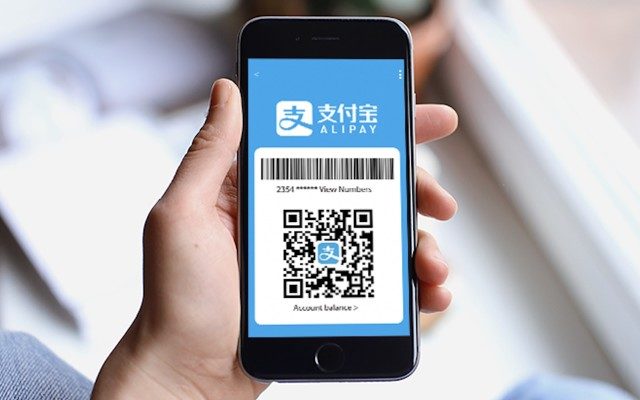
Citcon offers a comprehensive solution for Western merchants looking to capitalize on South Korea's NFC payment innovations. With a single API, Citcon enables access to over 100 payment methods, including popular APAC wallets like Alipay, WeChat Pay, UnionPay, KakaoPay, and Naver Pay. This streamlined integration simplifies the process of entering the Korean market and ensures compatibility with existing systems.
Citcon's PCI-DSS Level 1 compliance guarantees the highest level of security, providing peace of mind for businesses and consumers alike. The platform also supports rapid deployment, allowing merchants to quickly adapt to market demands and drive growth.
Furthermore, Citcon's dedicated account management ensures personalized support and guidance, helping businesses navigate the complexities of the South Korean payment landscape. By leveraging Citcon's expertise, merchants can optimize their payment strategies and maximize ROI.
What are the key NFC payment trends in South Korea for 2026?
Key trends include the integration of NFC with IoT devices, expanding the use of contactless payments beyond traditional retail settings. Additionally, advancements in biometric authentication are expected to enhance security and streamline user experiences. The focus on sustainability is also driving innovation, with eco-friendly payment solutions gaining traction.
How can Western merchants effectively enter the South Korean market?
Western merchants can enter the South Korean market by partnering with local technology providers to ensure seamless integration of payment systems. Understanding cultural preferences and tailoring marketing strategies to resonate with Korean consumers is essential. Additionally, navigating the regulatory landscape and obtaining necessary certifications is crucial for compliance.
What role do local fintech companies play in South Korea's payment ecosystem?
Local fintech companies play a pivotal role in driving innovation and adoption of NFC payments in South Korea. Companies like KakaoPay and Toss have leveraged their technological expertise to offer user-friendly and secure payment solutions, capturing significant market share. Their success has fostered a competitive environment that encourages continuous innovation.
How does NFC technology enhance customer experience?
NFC technology enhances customer experience by providing fast, secure, and convenient payment options. It eliminates the need for physical cash or cards, reducing transaction times and minimizing errors. The contactless nature of NFC payments also aligns with consumer preferences for hygiene and safety, particularly in the post-pandemic era.
What are the regulatory considerations for NFC payments in South Korea?
The regulatory environment in South Korea requires businesses to comply with stringent standards to ensure consumer protection and data security. The Financial Services Commission oversees the fintech industry, implementing measures to promote innovation while safeguarding consumer interests. Understanding these regulations is crucial for successful market entry.
How does Citcon support businesses in navigating South Korea's payment landscape?
Citcon supports businesses by offering a single API that integrates with over 100 payment methods, including popular APAC wallets. The platform's PCI-DSS Level 1 compliance ensures security, while rapid deployment capabilities enable quick adaptation to market demands. Citcon also provides dedicated account management for personalized guidance and support.
Why is NFC payment adoption growing so rapidly in South Korea?
NFC payment adoption in South Korea is driven by the country's advanced digital infrastructure, high smartphone penetration, and consumer preference for contactless payments. Government initiatives and regulatory support for fintech innovation have further accelerated adoption, creating a thriving ecosystem for NFC technologies.
What are the benefits of integrating NFC payments for businesses?
Integrating NFC payments offers several benefits, including cost savings through reduced transaction fees, enhanced customer experiences, and increased sales. The technology also positions businesses as innovative leaders, differentiating them from competitors and attracting tech-savvy consumers. Additionally, NFC payments align with consumer preferences for safety and convenience.








.jpg)






.png)