Leveraging South Korea's QR Code Revolution for Checkout Conversion in 2026
WRITTEN BY

Dylan Coombs
Citcon
Commercial Leader
Date
Jun 4, 2026
Subscribe to our interesting updates
SHARE ON

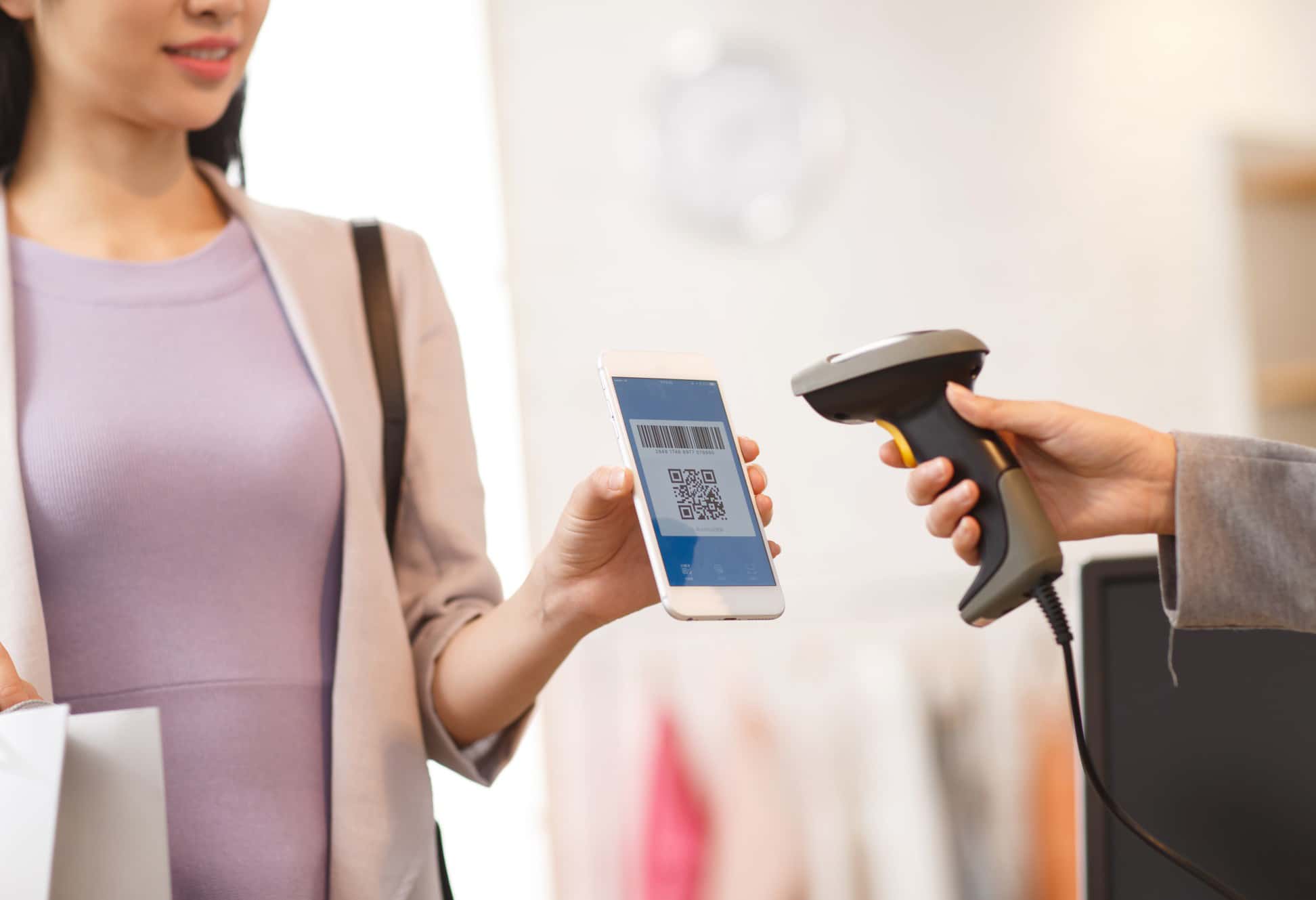
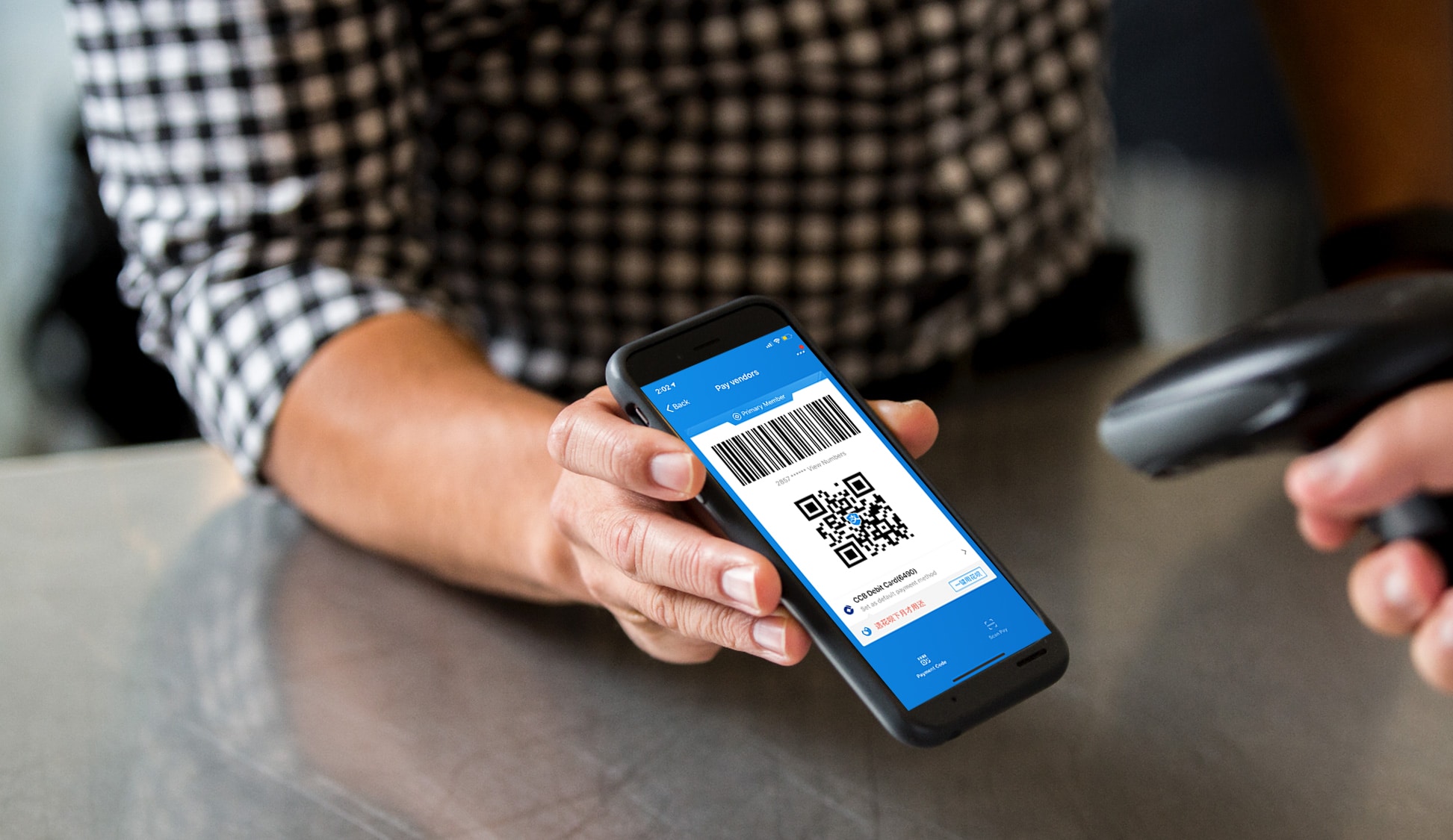
By 2026, South Korea's QR code payment systems are projected to increase checkout conversion rates by 20% for Western merchants integrating local methods. Understanding this trend is crucial for capturing market opportunities.
South Korea, a global leader in technology adoption, has seen a rapid transformation in payment systems. According to Statista, mobile payment penetration reached 74% in 2023, and Business Korea reported a 35% annual growth in QR code transactions. This shift presents a lucrative opportunity for Western merchants targeting Korean consumers, who value convenience and speed at checkout.
The increasing preference for QR code payments among Korean consumers is reshaping the digital payment landscape. Merchants must adapt to this preference to remain competitive. The Complete Guide to Unlocking South Korea's Mobile Payment Opportunities in 2026 highlights how Western businesses can effectively tap into this market.
Context & Market Data
South Korea's digital payment market is characterized by high mobile payment adoption, driven by tech-savvy consumers. The Financial Supervisory Service reported that digital wallet transactions surpassed 100 trillion KRW in 2024. The Korean government supports this growth through initiatives like the Cashless Society Policy, aiming for 80% digital transactions by 2026.
In 2025, the Bank of Korea noted that QR code transactions accounted for 25% of all digital payments, up from 15% in 2023. This rise is fueled by major players like KakaoPay and Naver Pay, which dominate the market. The Complete Guide to Navigating the South Korean Payment Ecosystem for Western Merchants in 2026 provides deeper insights into these trends.
- Mobile payment penetration: 74% (Statista, 2023)
- QR code transaction growth: 35% annually (Business Korea)
- Digital wallet transactions: 100 trillion KRW (Financial Supervisory Service, 2024)
- Government's Cashless Society Policy: 80% target by 2026
The Core Challenge
Western merchants face challenges when entering the Korean market, primarily due to unfamiliarity with local payment preferences. A common scenario involves a merchant offering only credit card options, resulting in cart abandonment due to lack of QR code payment methods. This is especially true for e-commerce platforms, where speed and convenience are paramount.
Another challenge is the integration complexity of multiple local payment systems. Merchants often struggle with technical barriers and compliance issues, delaying market entry. Understanding the preferences of Korean consumers, who prioritize seamless and fast transactions, is essential to overcome these obstacles.
How It Works: Step-by-Step
Leveraging QR code payments involves several steps:
- Research: Understand the local payment landscape, focusing on dominant players like KakaoPay and Naver Pay.
- Integration: Use a single API solution to integrate multiple payment methods, simplifying the process.
- Compliance: Ensure adherence to local regulations, such as PCI-DSS Level 1 standards, to secure transactions.
- Testing: Conduct thorough testing to ensure seamless user experience and functionality.
- Deployment: Rapidly deploy the integrated system to capitalize on market opportunities.
For detailed guidance, refer to Emerging Trends in Local Payment Methods for Cross-Border B2B Transactions in 2026, which outlines the integration process.
Regional or Vertical Deep Dive
South Korea's payment ecosystem features several key players, each offering unique solutions:
- KakaoPay: Dominates the market with over 30 million users, offering seamless QR code payments.
- Naver Pay: Integrated with Naver's ecosystem, providing a comprehensive digital payment solution.
- Toss: Known for its user-friendly interface and strong security features.
- Samsung Pay: Leverages NFC and MST technologies, complementing QR code solutions.
Regulatory support from the Financial Services Commission ensures a secure environment for digital payments, fostering innovation and consumer trust.
ROI and Business Case
Investing in QR code payment integration offers significant ROI for Western merchants:
- Increased conversion rates: Up to 20% improvement by offering preferred payment options.
- Expanded customer base: Access to Korea's tech-savvy consumers who prefer digital payments.
- Cost savings: Reduced transaction fees compared to traditional credit card payments.
From a CFO's perspective, the business case is strong, with enhanced revenue potential and operational efficiency.
How Citcon Solves This
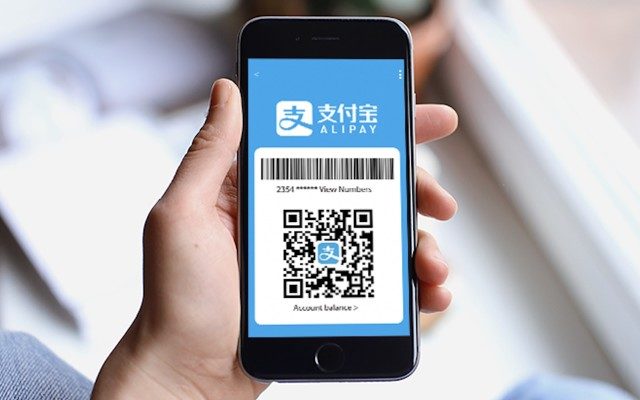
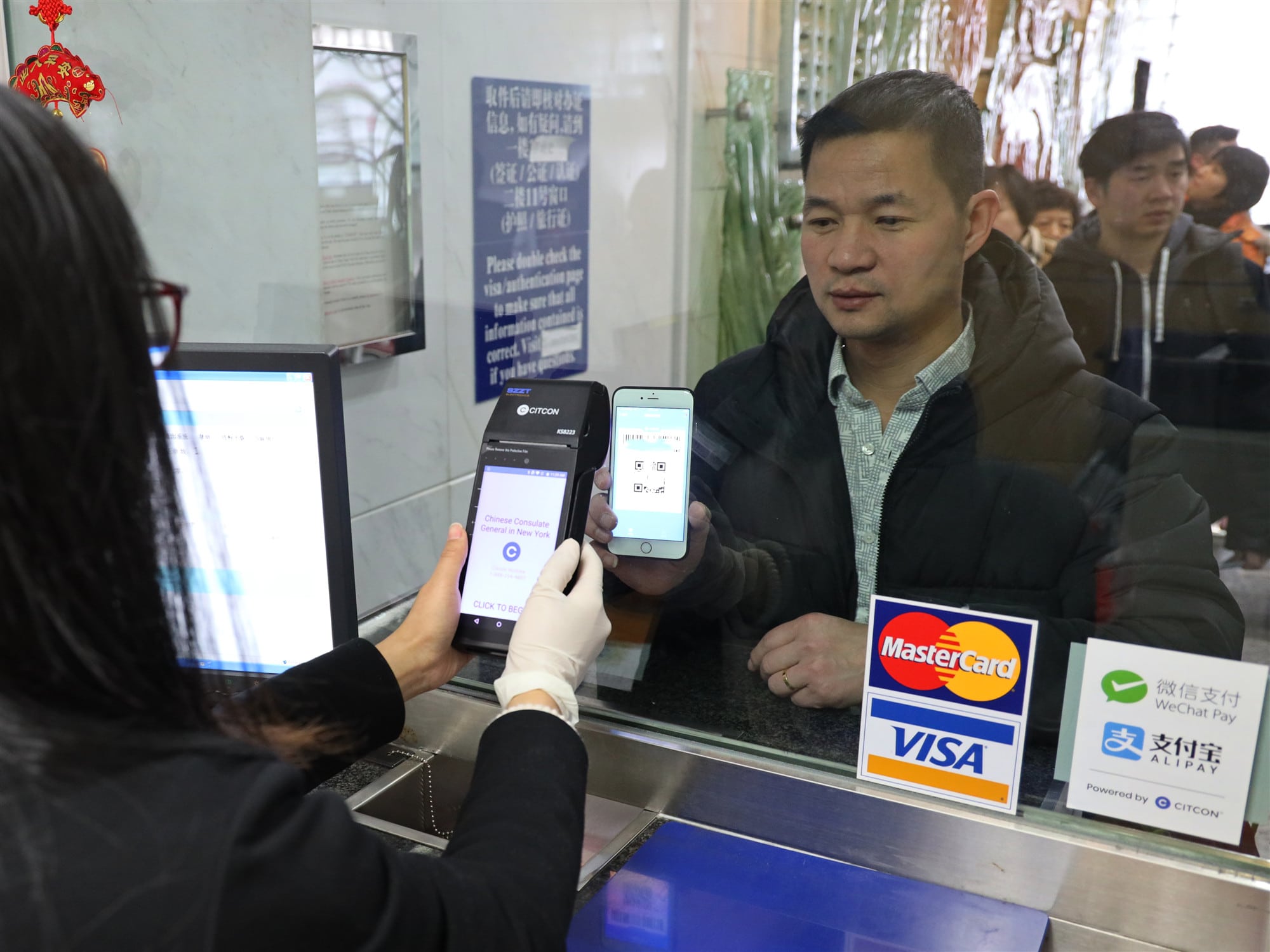
Citcon offers a comprehensive solution for merchants seeking to enter the Korean market. With a single API, merchants can access over 100 payment methods, including major APAC wallets like Alipay, WeChat Pay, and local favorites like KakaoPay and Naver Pay. Citcon ensures compliance with PCI-DSS Level 1 standards, offering secure and rapid deployment.
Our dedicated account management team provides tailored support, ensuring seamless integration and optimized checkout experiences. For more information, explore our Complete Guide to the Evolution of In-Game Purchases in South Korea.
Why are QR codes popular in South Korea?
QR codes are popular due to their convenience, speed, and security. They align with South Korea's tech-savvy population, offering seamless mobile payment experiences. The government's push towards a cashless society further accelerates their adoption.
What are the benefits of using QR codes for checkout conversion?
Using QR codes enhances checkout conversion by providing a fast, secure, and convenient payment method. It reduces cart abandonment rates and caters to consumer preferences, improving overall customer satisfaction and loyalty.
How does Citcon's single API simplify payment integration?
Citcon's single API streamlines the integration of over 100 payment methods, reducing complexity and time-to-market. It ensures compliance with global standards, offering a secure and efficient payment processing solution for merchants.
What role do local payment methods play in South Korea's market?
Local payment methods are crucial as they cater to consumer preferences, enhancing user experience and trust. They drive higher conversion rates and customer retention, making them essential for success in the Korean market.
How can Western merchants overcome integration challenges in Korea?
Western merchants can overcome integration challenges by partnering with providers like Citcon, which offer comprehensive solutions and support. Understanding local regulations and consumer preferences is also key to successful market entry.
What is the impact of regulatory support on digital payments in Korea?
Regulatory support fosters innovation and consumer trust in digital payments. It ensures a secure environment, encouraging adoption and growth. This support is vital for maintaining the integrity and efficiency of payment systems.
How do mobile payments compare to traditional methods in Korea?
Mobile payments offer greater convenience, speed, and security compared to traditional methods. They align with consumer preferences for seamless experiences, driving higher adoption and satisfaction in the Korean market.
What trends are shaping the future of digital payments in Korea?
Trends shaping the future include increased adoption of QR codes, government initiatives towards a cashless society, and innovations by major players like KakaoPay. These trends are set to redefine the payment landscape, offering new opportunities for merchants.








.jpg)






.png)