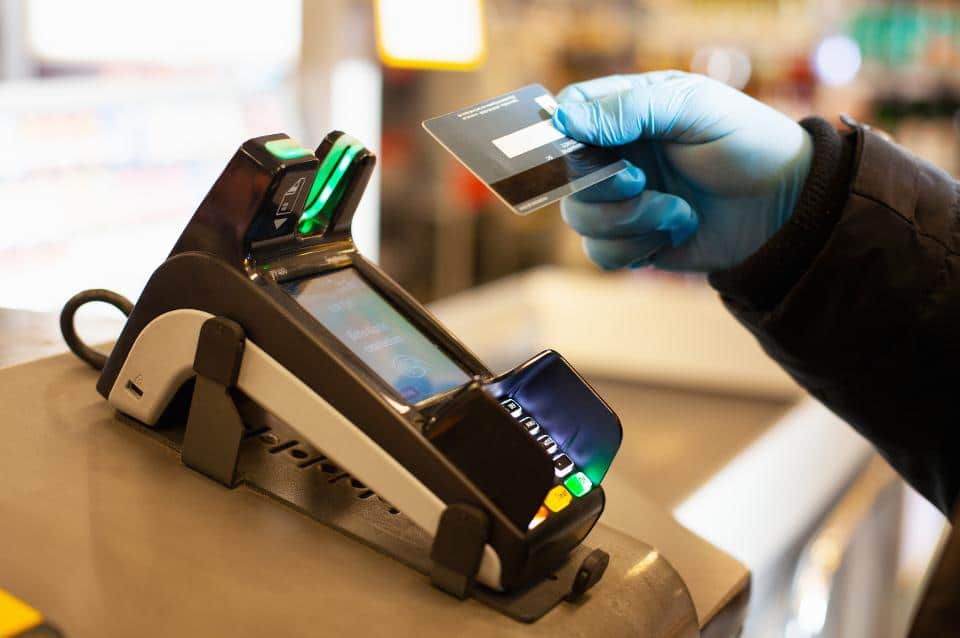
Navigating Payment Technology in 2026: Essential Insights
WRITTEN BY

Dylan Coombs
Citcon
Commercial Leader
Date
Jun 27, 2026
Subscribe to our interesting updates
SHARE ON

The landscape of payment technology in 2026 is characterized by rapid digital transformation and innovation. Businesses are increasingly adopting digital wallets and cross-border commerce solutions to stay competitive.
As we look into 2026, the global payments market is expected to reach unprecedented heights. According to a 2025 report by Worldpay, digital wallet transactions are predicted to account for over 50% of global e-commerce payments. Additionally, a 2026 study by McKinsey highlights that cross-border commerce will see a growth rate of 25% annually.
The rise of digital wallets and cross-border payments is reshaping how businesses operate. With more than 100 payment methods emerging, companies must adapt to these changes to enhance their financial operations and customer experience.
Understanding the Market Context
In 2026, the payment technology market is defined by several key trends. These trends are driven by technological advancements and changing consumer preferences.
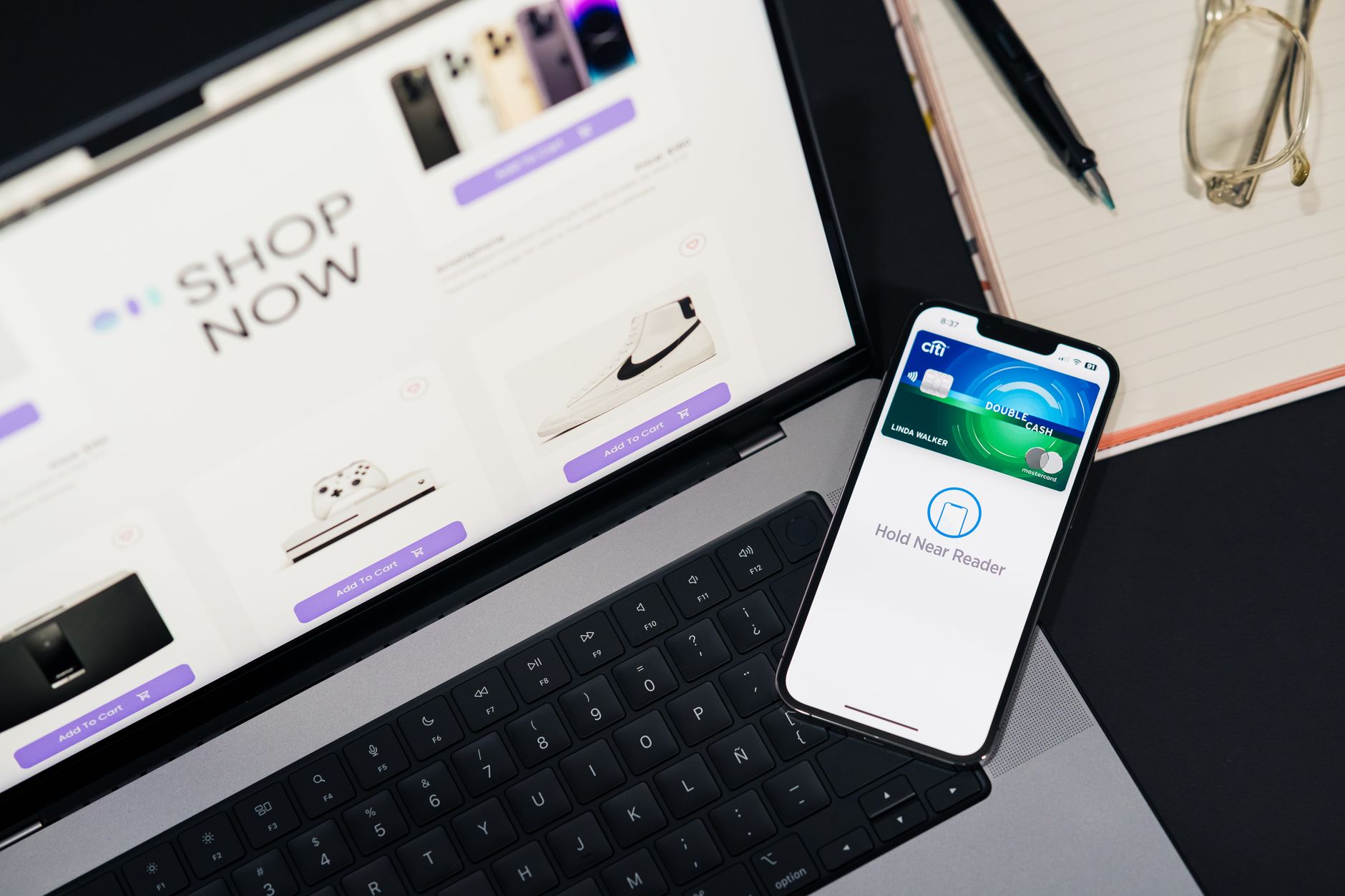
Firstly, the adoption of digital wallets is surging. Consumers are increasingly favoring these convenient and secure payment methods over traditional options. Secondly, businesses are expanding their reach through cross-border commerce, tapping into new markets and customer bases.
- Global Digital Wallet Usage: Expected to surpass 4 billion users by 2026.
- Cross-Border Commerce Growth: Predicted to increase by 25% annually.
- Payment Method Diversity: Over 100 methods available globally.
- Regulatory Changes: New compliance requirements emerging worldwide.
- Technological Advancements: AI and blockchain revolutionizing financial operations.
The Challenges in Payment Technology
Despite the promising outlook, businesses face significant challenges in adapting to the evolving payment landscape. CFOs are particularly concerned with managing the complexities of cross-border transactions and ensuring compliance with international regulations.
One real scenario involves a multinational company struggling to integrate various payment systems across different regions. This lack of cohesion results in inefficiencies and increased operational costs.
Moreover, the stakes are high for CFOs as they navigate these challenges. Ensuring data security, managing currency fluctuations, and optimizing transaction costs are critical to maintaining profitability and competitiveness.
Step-by-Step Guide to Adapting Payment Technology
To successfully navigate the payment technology landscape in 2026, businesses should follow a structured approach.
- Assess Current Systems: Evaluate existing payment methods and identify gaps.
- Adopt Digital Wallets: Integrate popular digital wallets to enhance customer experience.
- Streamline Cross-Border Payments: Implement solutions that simplify international transactions.
- Ensure Compliance: Stay updated with global regulations to avoid penalties.
- Leverage Technology: Utilize AI and blockchain for improved efficiency and security.
Deep Dive into Payment Innovations
Digital wallets and blockchain are at the forefront of payment innovations in 2026. These technologies offer significant advantages in terms of security, efficiency, and customer satisfaction.
Digital wallets provide a seamless and secure payment experience, reducing the risk of fraud and enhancing customer loyalty. Meanwhile, blockchain technology offers transparency and traceability, essential for cross-border transactions.
- Seamless Transactions: Digital wallets streamline the payment process.
- Enhanced Security: Blockchain ensures secure and transparent transactions.
- Increased Efficiency: AI-driven solutions optimize payment operations.
- Customer Satisfaction: Improved user experience boosts brand loyalty.
Maximizing ROI with Payment Technology
Implementing advanced payment technologies can significantly impact a company's bottom line. Businesses can expect substantial revenue uplift and cost reductions by adopting these innovations.
According to a 2026 report by Bain, companies that leverage digital wallets and cross-border payment solutions can achieve a revenue increase of up to 30%. Additionally, operational costs can be reduced by 15% through streamlined processes and reduced transaction fees.
- Revenue Uplift: Up to 30% increase with digital wallets.
- Cost Reduction: 15% savings through optimized processes.
- Improved Efficiency: Automation reduces manual intervention.
- Enhanced Customer Experience: Faster and more reliable payments.
Citcon's Comprehensive Payment Solution
Citcon offers a robust payment solution designed to meet the diverse needs of businesses in 2026. With a single API integration, companies can access over 100 payment methods, including popular APAC wallets and BNPL options.
Citcon's platform is PCI-DSS Level 1 certified, ensuring the highest level of data security and compliance. This comprehensive solution simplifies payment operations, enhances customer satisfaction, and drives business growth.
Explore more about Citcon's offerings in our recent posts on digital wallets and cross-border commerce.
Frequently Asked Questions
What are the benefits of using digital wallets in 2026?
Digital wallets offer convenience, security, and speed. In 2026, they are expected to account for over 50% of global e-commerce transactions, providing a seamless payment experience for consumers.
How can businesses manage cross-border payment complexities?
Companies should implement solutions that streamline international transactions and stay updated with global regulations to manage cross-border payment complexities effectively.
What role does blockchain play in payment technology?
Blockchain enhances security and transparency in transactions, making it a valuable tool for cross-border payments and reducing the risk of fraud.
How can AI improve payment operations?
AI optimizes payment processes by automating tasks, reducing manual intervention, and enhancing data analysis for better decision-making.
What is PCI-DSS Level 1 certification?
PCI-DSS Level 1 certification is the highest standard for payment data security, ensuring that a platform meets stringent security requirements to protect customer information.
How do digital wallets enhance customer satisfaction?
Digital wallets provide a fast, secure, and convenient payment method, improving the overall customer experience and fostering loyalty.
What is BNPL, and why is it popular?
BNPL (Buy Now, Pay Later) allows consumers to purchase products and pay for them over time, offering flexibility and boosting sales for businesses.
Key Takeaways
- Digital Wallet Growth: Essential for modern payment strategies.
- Cross-Border Opportunities: Expanding markets and customer bases.
- Technology Integration: AI and blockchain are game-changers.
- Security and Compliance: Crucial for maintaining trust and avoiding penalties.
- Citcon's Solution: Comprehensive, secure, and efficient.









.jpg)







.png)