Navigating Payment Technology in 2026: A Comprehensive Guide
WRITTEN BY

Dylan Coombs
Citcon
Commercial Leader
Date
Jun 28, 2026
Subscribe to our interesting updates
SHARE ON

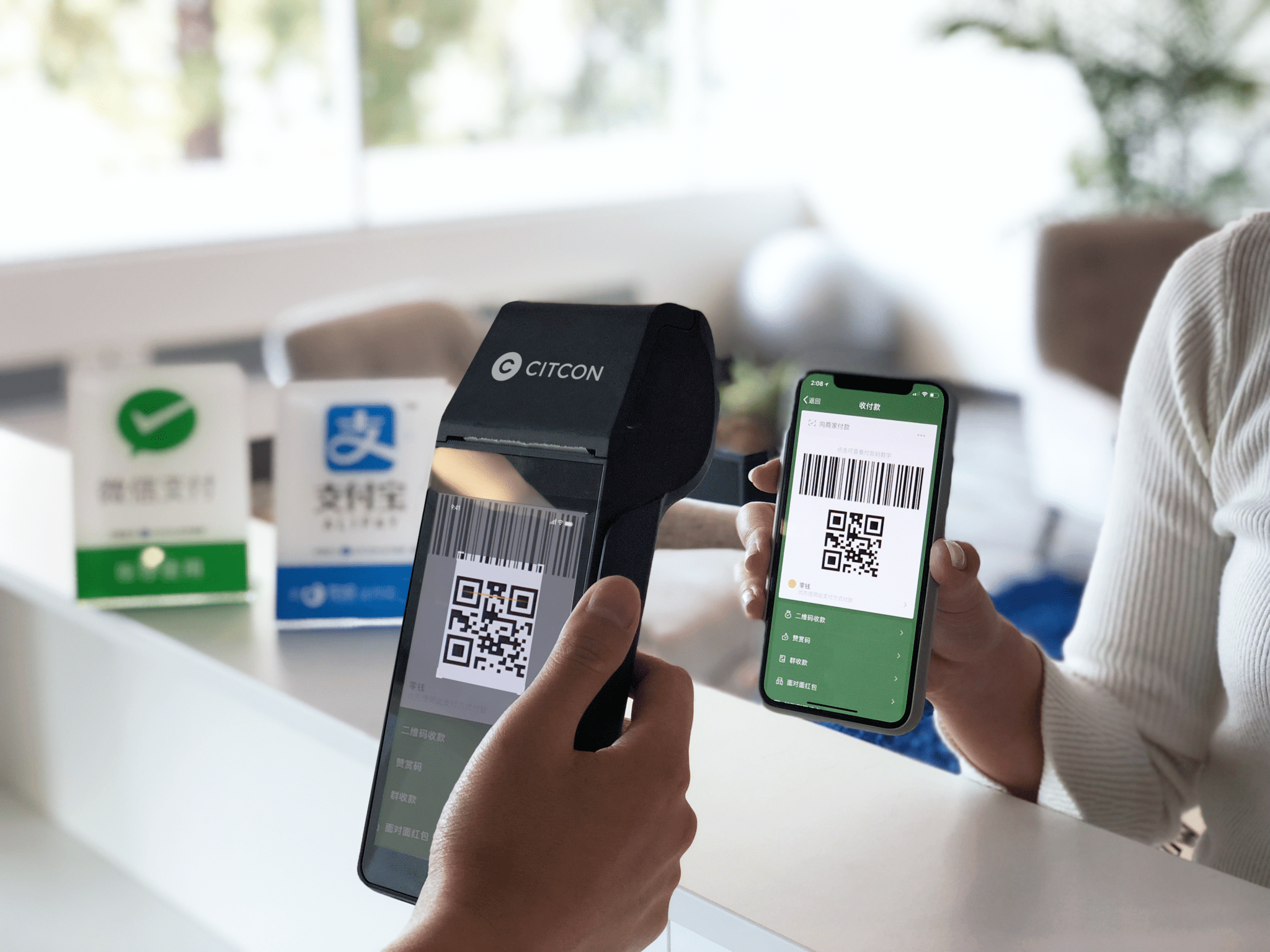
In 2026, payment technology is set to revolutionize the financial landscape, providing businesses with innovative tools to enhance efficiency and expand globally.
The payment industry is undergoing a transformation, with digital wallets and cross-border commerce playing pivotal roles. According to a 2025 report by Worldpay, digital wallet usage is expected to surpass traditional payment methods, accounting for over 60% of global transactions. Additionally, cross-border e-commerce is projected to grow by 25% annually, driven by advancements in payment technology. As businesses strive to remain competitive, understanding these trends is essential.
In the evolving fintech landscape, staying informed about payment technology is crucial for businesses looking to optimize their financial operations. The integration of digital wallets and cross-border commerce solutions offers a pathway to increased efficiency and market reach. A 2025 study by McKinsey highlights that companies leveraging these technologies report a 20% reduction in transaction costs and a 15% increase in revenue.
Market Context in 2026
The payment technology sector is characterized by rapid innovation and adoption. Businesses are increasingly adopting digital solutions to meet consumer demands for seamless transactions. Key trends include:
- Digital Wallet Adoption: Expected to dominate the market, facilitating faster and more secure transactions.
- Cross-Border Commerce Growth: Enabled by enhanced payment infrastructure, allowing businesses to tap into new markets.
- Integration of AI and Blockchain: Enhancing security and transparency in transactions.
- Regulatory Changes: Governments worldwide are updating regulations to accommodate new technologies.
- Consumer Expectations: Demand for instant, frictionless payment experiences is driving innovation.
Understanding these trends is vital for businesses aiming to capitalize on the opportunities presented by payment technology in 2026.
Challenges Faced by CFOs
Despite the opportunities, CFOs face significant challenges in integrating new payment technologies. A 2025 Deloitte survey reveals that 70% of CFOs cite security concerns and regulatory compliance as major hurdles. Additionally, the complexity of managing multiple payment platforms can lead to inefficiencies and increased costs.
Consider a multinational company looking to expand into APAC markets. The CFO must navigate diverse regulatory environments, varying consumer preferences, and the integration of local payment methods. Failure to address these challenges can result in financial losses and reputational damage.
Moreover, the pressure to optimize working capital while ensuring a seamless customer experience adds to the complexity of financial operations in a global context.
Implementing Payment Technology: A Step-by-Step Guide
To successfully integrate payment technology into your business operations, follow these steps:
- Assess Current Systems: Evaluate existing payment processes and identify areas for improvement.
- Select the Right Technology: Choose solutions that align with your business goals and customer needs.
- Ensure Compliance: Stay updated with regulatory requirements in each market you operate.
- Integrate Seamlessly: Work with IT teams to ensure smooth integration with existing systems.
- Monitor and Optimize: Continuously assess performance and make necessary adjustments.
Following these steps will help businesses effectively leverage payment technology to enhance operational efficiency and customer satisfaction.
Deep Dive into Payment Solutions
Payment technology solutions offer a range of features designed to meet the diverse needs of businesses. In 2026, the focus is on enhancing security, efficiency, and user experience. Key solutions include:
- Digital Wallets: Providing a secure and convenient payment method for consumers worldwide.
- Cross-Border Payment Platforms: Facilitating international transactions with ease and transparency.
- AI-Powered Fraud Detection: Utilizing machine learning to identify and mitigate fraudulent activities.
- Blockchain Technology: Ensuring secure, transparent, and immutable transaction records.
Adopting these solutions can significantly improve a company’s financial operations and customer engagement.
ROI of Payment Technology
Investing in advanced payment technology can yield substantial returns. A 2025 report by Bain & Company indicates that businesses utilizing these technologies experience a 30% increase in transaction speed and a 25% reduction in processing costs.
- Revenue Uplift: Enhanced customer experience leads to increased sales and market share.
- Cost Reduction: Streamlined operations reduce overhead and transaction costs.
- Risk Mitigation: Improved security measures decrease the likelihood of fraud-related losses.
These benefits highlight the value of integrating payment technology into business strategies.
Citcon’s Solution for 2026
Citcon offers a comprehensive payment solution designed to meet the needs of businesses in 2026. With a single API, Citcon supports over 100 payment methods, including popular APAC wallets and BNPL options. Our PCI-DSS Level 1 compliance ensures the highest level of security for your transactions.
By choosing Citcon, businesses can streamline their payment processes, expand their global reach, and enhance customer satisfaction. Our solutions are tailored to meet the evolving demands of the digital economy.
FAQs
What are the key benefits of digital wallets in 2026?
In 2026, digital wallets offer enhanced security, convenience, and speed, making them a preferred payment method for consumers and businesses alike. A 2025 report from Javelin highlights that digital wallets reduce transaction times by 40%.
How does payment technology impact cross-border commerce?
Payment technology facilitates seamless cross-border transactions, enabling businesses to access new markets. According to a 2025 study by Accenture, companies using advanced payment solutions experience a 30% increase in international sales.
What role does AI play in payment security?
AI enhances payment security by providing real-time fraud detection and prevention. A 2025 report from PwC indicates that AI-powered systems reduce fraud incidents by 50%.
How can businesses ensure compliance with payment regulations?
Staying informed about regulatory changes and working with compliant payment providers like Citcon is crucial. A 2025 Deloitte survey shows that companies prioritizing compliance reduce legal risks by 40%.
What are the challenges of integrating new payment technologies?
Challenges include ensuring system compatibility, managing security risks, and meeting regulatory requirements. A 2025 report by BCG notes that careful planning and expert partnerships can mitigate these issues.
Why is cross-border payment infrastructure important?
Cross-border payment infrastructure enables efficient and cost-effective international transactions. According to a 2025 Worldpay report, businesses leveraging this infrastructure see a 20% reduction in transaction costs.
Key Takeaways
- Payment technology is crucial for business growth in 2026. Understanding trends and solutions can enhance efficiency and market reach.
- Digital wallets and cross-border commerce are key drivers. Their adoption can significantly impact transaction speed and cost.
- Citcon offers a comprehensive solution. With over 100 payment methods and PCI-DSS compliance, Citcon streamlines operations.
- ROI of payment technology is substantial. Businesses can expect increased revenue and reduced costs.
- Regulatory compliance is essential. Staying informed and compliant reduces legal and financial risks.

















.jpg)








.png)