5 Reasons B2B BNPL is Outpacing Net-30 and Net-60 Terms in 2026
WRITTEN BY

Dylan Coombs
Citcon
Commercial Leader
Date
Jul 14, 2026
Subscribe to our interesting updates
SHARE ON

B2B Buy Now Pay Later (BNPL) is increasingly replacing traditional net-30 and net-60 payment terms, offering businesses a more flexible financing option. According to a 2026 report by McKinsey, 65% of B2B companies now prefer BNPL solutions over traditional credit terms.
What is B2B BNPL: B2B BNPL is a financing model that allows businesses to purchase goods or services and defer payment over a specified period, typically without interest.
The rise of B2B BNPL is transforming the way businesses manage their cash flow and payment terms. As of 2026, the global B2B BNPL market is projected to reach $100 billion, highlighting its growing acceptance among CFOs and financial decision-makers. Traditional net-30 and net-60 terms often create cash flow bottlenecks, delaying payments and affecting supplier relationships. In contrast, BNPL offers immediate capital while extending payment timelines, thus alleviating financial pressure for businesses.
Context
B2B BNPL is becoming a preferred choice for companies looking to optimize their payment processes. The flexibility of BNPL allows businesses to manage their finances more efficiently, reducing the need for extensive credit checks and lengthy approval processes typical of traditional terms.
For instance, a 2025 study by Deloitte found that 58% of businesses reported improved cash flow management after adopting BNPL solutions. This shift is particularly crucial for small to mid-sized enterprises (SMEs) that often struggle with cash flow constraints. Moreover, B2B BNPL providers typically offer faster approval times, which can be a game-changer in rapidly changing market conditions.
- Immediate access to funds: BNPL provides instant financing, enabling businesses to seize opportunities without delay.
- Simplified processes: Fewer bureaucratic hurdles compared to traditional payment terms.
- Enhanced supplier relationships: Timely payments foster better partnerships.
- Data-driven insights: BNPL platforms often come with analytical tools to track spending.
Core Challenge
One of the core challenges businesses face with traditional net-30 and net-60 terms is delayed cash flow, which can lead to operational inefficiencies. A 2025 report from the National Federation of Independent Business (NFIB) indicated that 70% of small businesses experience cash flow issues due to delayed payments.
These challenges can have significant dollar stakes. For instance, a single late payment can cost a small business an average of $3,000 in lost revenue and additional operational costs. Furthermore, relying on traditional payment terms often ties up working capital that could otherwise be invested in growth initiatives.
In contrast, B2B BNPL solutions allow companies to maintain liquidity while still fulfilling their procurement needs. With BNPL, businesses can allocate funds more effectively, ensuring they have the necessary capital to invest in growth opportunities.
How to Implement B2B BNPL Solutions
Implementing B2B BNPL solutions is straightforward and can significantly improve cash flow. First, businesses must choose a BNPL provider that aligns with their needs and operational model.
Next, companies should integrate the BNPL payment option into their existing procurement processes, ensuring that all stakeholders are informed of the new payment method. Finally, businesses should continuously evaluate the performance of BNPL solutions to ensure they are meeting financial objectives.
- Research and select a reputable BNPL provider.
- Integrate the BNPL option into your payment processing system.
- Train your finance and procurement teams on the new system.
- Monitor cash flow and supplier relationships post-implementation.
Deep Dive into B2B BNPL Benefits
Understanding the benefits of B2B BNPL is essential for any CFO or VP of Payments considering a shift from traditional payment terms. One of the primary advantages is the reduction in payment friction. Companies can complete transactions without the delays associated with net-30 or net-60 terms.
Additionally, B2B BNPL solutions often come with built-in analytics that provide valuable insights into spending patterns and cash flow management. This data can help businesses make informed decisions about procurement and budgeting.
Another significant benefit is the improved purchasing power that comes with BNPL. Businesses can buy more inventory or invest in services without immediate financial strain, allowing for strategic growth.
- Reduced payment friction: Streamlined transactions enhance operational efficiency.
- Built-in analytics: Insights into spending enable better financial planning.
- Increased purchasing power: Businesses can invest strategically without immediate financial pressure.
ROI and Business Case for B2B BNPL
The return on investment (ROI) for adopting B2B BNPL solutions can be substantial. A study by Financial Times in 2025 revealed that businesses using BNPL saw an average revenue increase of 25% within the first year of implementation.
Furthermore, the cost savings associated with improved cash flow management can also be significant. Companies can reduce late payment fees and improve supplier discounts by ensuring timely payments through BNPL.
- Average revenue increase: 25% in the first year for businesses that implement BNPL.
- Cost savings: Reduced late payment fees and improved supplier discounts.
- Enhanced liquidity: Greater cash flow flexibility allows for strategic investments.
How Citcon Solves This
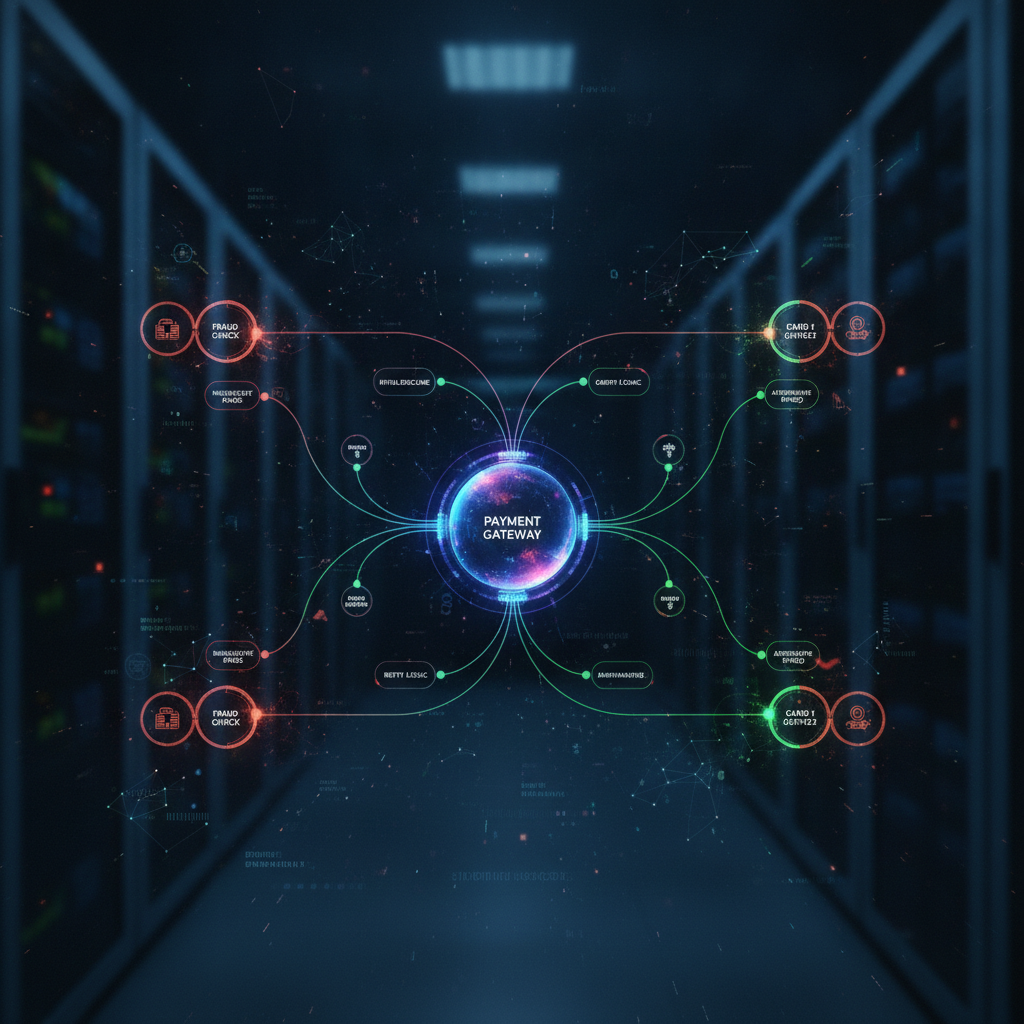
Citcon provides a comprehensive BNPL solution that integrates seamlessly into existing payment systems. With a single API, businesses can access over 100 payment methods, including BNPL options, ensuring flexibility and convenience.
Additionally, Citcon’s solutions are PCI-DSS Level 1 compliant, ensuring that all transactions are secure and trustworthy. This level of security is particularly important for CFOs and financial decision-makers who prioritize risk management.
QR Code Payment Acceptance Is Essential for Merchants in 2026
In 2026, integrating QR code payment acceptance is vital for businesses looking to streamline transactions and enhance customer experiences. Check out our detailed insights on QR code payment strategies.
How Online Education Platforms Collect Tuition Payments from International Students in 2026
Online education platforms are increasingly adopting BNPL solutions to collect tuition payments from international students, enhancing financial accessibility. Learn more about this trend in our related post.
Cross-Border Payment Settlement in 2026: What CFOs Need to Know
CFOs must be aware of the evolving landscape of cross-border payments in 2026, as BNPL options are becoming increasingly relevant in this context. Discover essential insights in our related article.
CFOs Must Know About Cross-Border Payment Settlement in 2026
Understanding cross-border payment settlements is crucial for CFOs in 2026, especially as BNPL solutions gain traction. Read our article for expert advice.
How Merchants Reduce Payment Failures in International E-Commerce in 2026
Reducing payment failures is critical for merchants in international e-commerce, and BNPL solutions can play a key role. Explore our insights on overcoming payment challenges.
Key Takeaways
- B2B BNPL adoption is surging: 65% of companies prefer BNPL solutions in 2026.
- Improved cash flow: BNPL solutions help manage cash flow more effectively.
- Significant ROI: Businesses see an average revenue increase of 25% post-implementation.
- Streamlined processes: BNPL reduces payment friction and enhances efficiency.
- Citcon offers a robust solution: Single API access to over 100 payment methods, including BNPL.