Cross-Border Payment Settlement in 2026: What CFOs Need to Know
WRITTEN BY

Dylan Coombs
Citcon
Commercial Leader
Date
Jul 13, 2026
Subscribe to our interesting updates
SHARE ON

Cross-border payment settlement in 2026 will significantly impact CFOs as they navigate the complexities of global commerce. According to a report by Juniper Research, the total value of cross-border transactions is expected to reach $250 trillion by 2026.
What is Cross-Border Payment Settlement: It refers to the process of processing payments made between parties in different countries, involving currency conversion and compliance with local regulations.
The global landscape for cross-border payments is rapidly evolving, driven by the increasing demand for seamless international transactions. In 2025, the value of cross-border e-commerce is projected to reach $1 trillion, indicating a growing need for efficient payment solutions. CFOs must adapt to these changes to maintain competitive advantage and ensure operational efficiency.
Context
Cross-border payment settlement is crucial for businesses engaging in international trade. As companies expand their reach beyond domestic markets, understanding the intricacies of these transactions becomes paramount. Lack of knowledge can lead to increased costs and lost revenue.
In 2025, the average cost of cross-border transactions was approximately 7% of the total transaction value, compared to 2% for domestic transactions. This disparity highlights the need for CFOs to focus on optimizing their payment strategies to minimize costs.
- Global Expansion: Companies must understand the payment landscape in each market.
- Currency Fluctuations: CFOs need to manage risks associated with currency exchange.
- Regulatory Compliance: Different countries have varying regulations that affect payment processes.
- Technological Solutions: Leveraging technology can streamline cross-border payment processes.
Core Challenge
The primary challenge CFOs face in cross-border payment settlements is managing costs while ensuring compliance. As international transactions grow, so do the complexities associated with them. A failure to address these challenges can lead to significant financial losses.
In 2025, 40% of companies reported experiencing payment failures in cross-border transactions, resulting in an estimated $20 billion in lost revenue. This statistic underscores the importance of having a robust payment strategy.
How to Optimize Cross-Border Payment Settlement
To effectively optimize cross-border payment settlements, CFOs must adopt a multi-faceted approach. This includes understanding the payment landscape, utilizing technology, and ensuring compliance with local regulations.
Steps to optimize include:
- Conduct thorough market research to understand local payment preferences.
- Implement payment orchestration solutions to streamline processes.
- Regularly review and update compliance protocols.
- Invest in real-time currency conversion tools to minimize losses.
Deep Dive
Understanding the nuances of cross-border payment settlement involves recognizing the various stakeholders involved, including banks, payment processors, and regulatory bodies. Each entity plays a critical role in ensuring smooth transactions.
Additionally, CFOs must consider the impact of emerging technologies such as blockchain and artificial intelligence on payment processes. These technologies can enhance transparency and reduce transaction times.
- Blockchain: Offers a decentralized method for processing transactions.
- AI: Can analyze transaction data to identify fraud patterns.
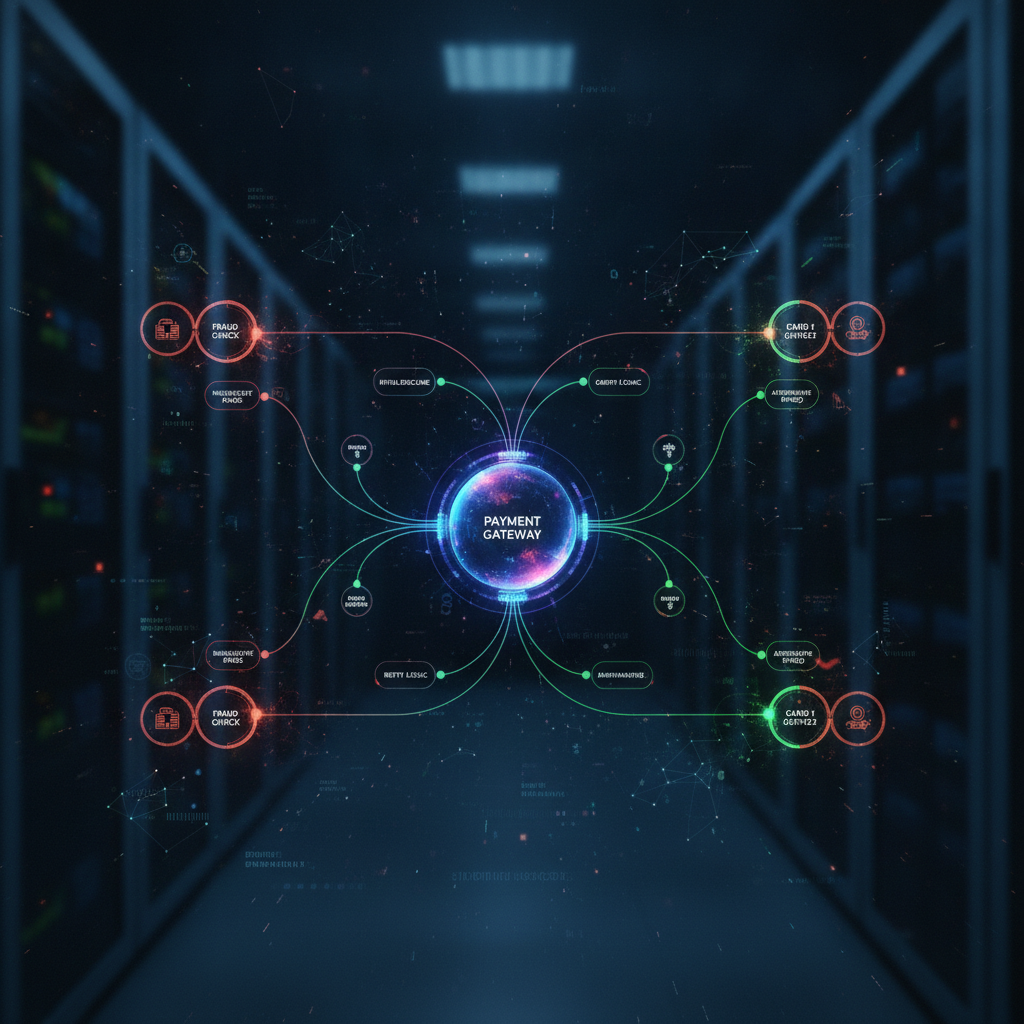
- Payment Gateways: Facilitate real-time processing of cross-border payments.
- Currency Risk Management: Tools that mitigate the impact of currency fluctuations.
ROI and Business Case
Investing in optimized cross-border payment solutions can yield significant returns. Companies that effectively manage their cross-border transactions can reduce costs and improve cash flow.
For instance, businesses that adopted automated payment systems reported a 30% reduction in processing costs in 2025. This demonstrates the tangible benefits of investing in technology.
- Cost Savings: Reduction in transaction fees through efficient payment methods.
- Revenue Growth: Increased sales from improved payment experiences.
- Compliance Efficiency: Minimizing fines and penalties through adherence to regulations.
- Customer Satisfaction: Enhanced experience leads to repeat business.
How Citcon Solves This
Citcon offers a single API solution that integrates over 100 payment methods, enabling businesses to optimize their cross-border payment processes. Our platform supports various currencies and provides BNPL (Buy Now, Pay Later) options, catering to the needs of global consumers.
Additionally, Citcon is PCI-DSS Level 1 compliant, ensuring the highest standards of security for financial transactions. This commitment to security and efficiency positions Citcon as a leader in cross-border payment solutions.
For further insights, check out our related posts on reducing failed payments in international e-commerce and how payment orchestration reduces transaction costs.
How do I reduce costs in cross-border payments?
To reduce costs in cross-border payments, businesses should utilize automated payment solutions and negotiate better rates with payment processors.
What is the impact of currency fluctuations on payments?
Currency fluctuations can affect the total value of transactions, leading to increased costs for businesses if not managed properly.
Why is compliance important in cross-border payments?
Compliance is crucial to avoid legal penalties and ensure smooth transaction processing across different jurisdictions.
Which technologies can improve cross-border payment processes?
Technologies such as blockchain and AI can enhance transaction speed, reduce costs, and improve security in cross-border payments.
How can I ensure timely payments in international transactions?
Ensuring timely payments in international transactions involves selecting reliable payment partners and utilizing real-time payment processing solutions.
What are the benefits of using a payment orchestration platform?
A payment orchestration platform can streamline payment processes, reduce costs, and enhance customer experience by offering multiple payment options.
Key Takeaways
- Cross-border payment transactions are projected to reach $250 trillion by 2026.
- 40% of companies experienced payment failures in 2025.
- Investing in automated payment solutions can reduce costs by 30%.
- Citcon offers over 100 payment methods through a single API.