Cross-Border Payment Settlement Trends in 2026
WRITTEN BY

Dylan Coombs
Citcon
Commercial Leader
Date
Jul 13, 2026
Subscribe to our interesting updates
SHARE ON

Cross-border payment settlement is set to become more efficient and accessible, with a projected 30% increase in digital transactions by 2026, according to a report by Finextra.
What is cross-border payment settlement: The process of transferring currency across international borders for business transactions.
The global cross-border payments market is expected to exceed $250 trillion by 2026, driven by rising e-commerce and globalization. However, businesses face challenges such as high fees, slow transaction times, and regulatory hurdles. These issues can hinder international growth and profitability.
Context
Cross-border payment settlement has become a critical component of global trade. The rise of e-commerce has pushed businesses to seek efficient ways to manage international transactions.
In 2025, cross-border digital payment volumes were estimated at $3 trillion, a significant increase from previous years. This trend is expected to accelerate as businesses increasingly leverage technology to enhance their payment processes.
- Globalization: Businesses now operate in multiple countries, necessitating seamless payment solutions.
- Consumer Demand: Customers expect quick and easy payment options when shopping internationally.
- Technological Advancements: Innovations such as blockchain and AI are streamlining payment processes.
- Regulatory Changes: Governments are implementing new policies to facilitate international payments.
Core Challenge
The primary challenge in cross-border payment settlement is managing the associated costs and risks. Fees can significantly cut into profit margins, making it crucial for businesses to find cost-effective solutions.
In 2025, the average fee for cross-border transactions was around 3-5%, which can be a considerable expense for businesses. This situation necessitates a focus on finding services that offer competitive rates.
The stakes are high; businesses that fail to optimize their payment processes could lose market share to competitors who provide better payment experiences.
- High Transaction Costs: These can erode profits and hinder growth.
- Currency Fluctuations: Unpredictable exchange rates can lead to financial losses.
- Compliance Risks: Failure to adhere to regulatory standards can result in fines.
- Delayed Settlements: Slow transaction times can frustrate customers and impact sales.
How to Optimize Cross-Border Payment Settlements
To improve cross-border payment settlements, businesses should adopt strategies that enhance efficiency and reduce costs.
Implementing technology solutions like automated systems can streamline payment processes, reducing the time and resources spent on manual transactions. Additionally, partnering with fintech companies can offer access to better rates and services.
- Evaluate Payment Providers: Compare fees, services, and transaction speeds.
- Leverage Technology: Use automated systems to manage payments.
- Monitor Currency Risks: Implement strategies to mitigate exposure to currency fluctuations.
- Ensure Compliance: Stay updated with regulatory changes affecting cross-border payments.
Deep Dive
Understanding the intricacies of cross-border payment settlements is crucial for businesses aiming for international success. Factors like payment methods, regulatory requirements, and market dynamics all play a role.
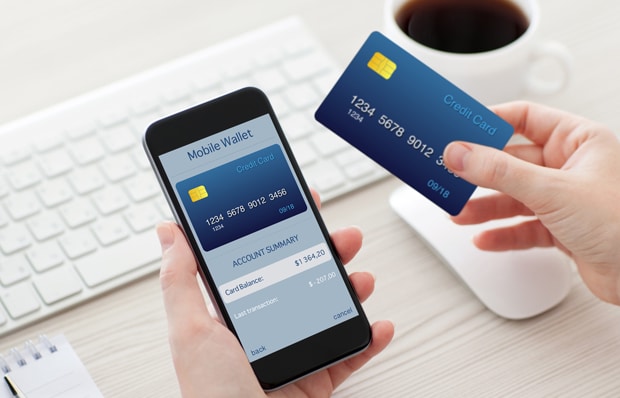
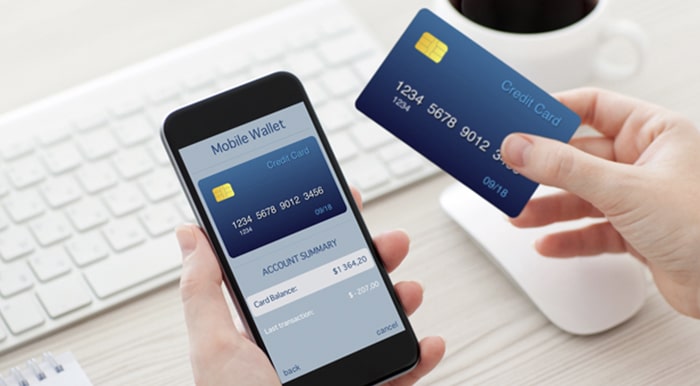
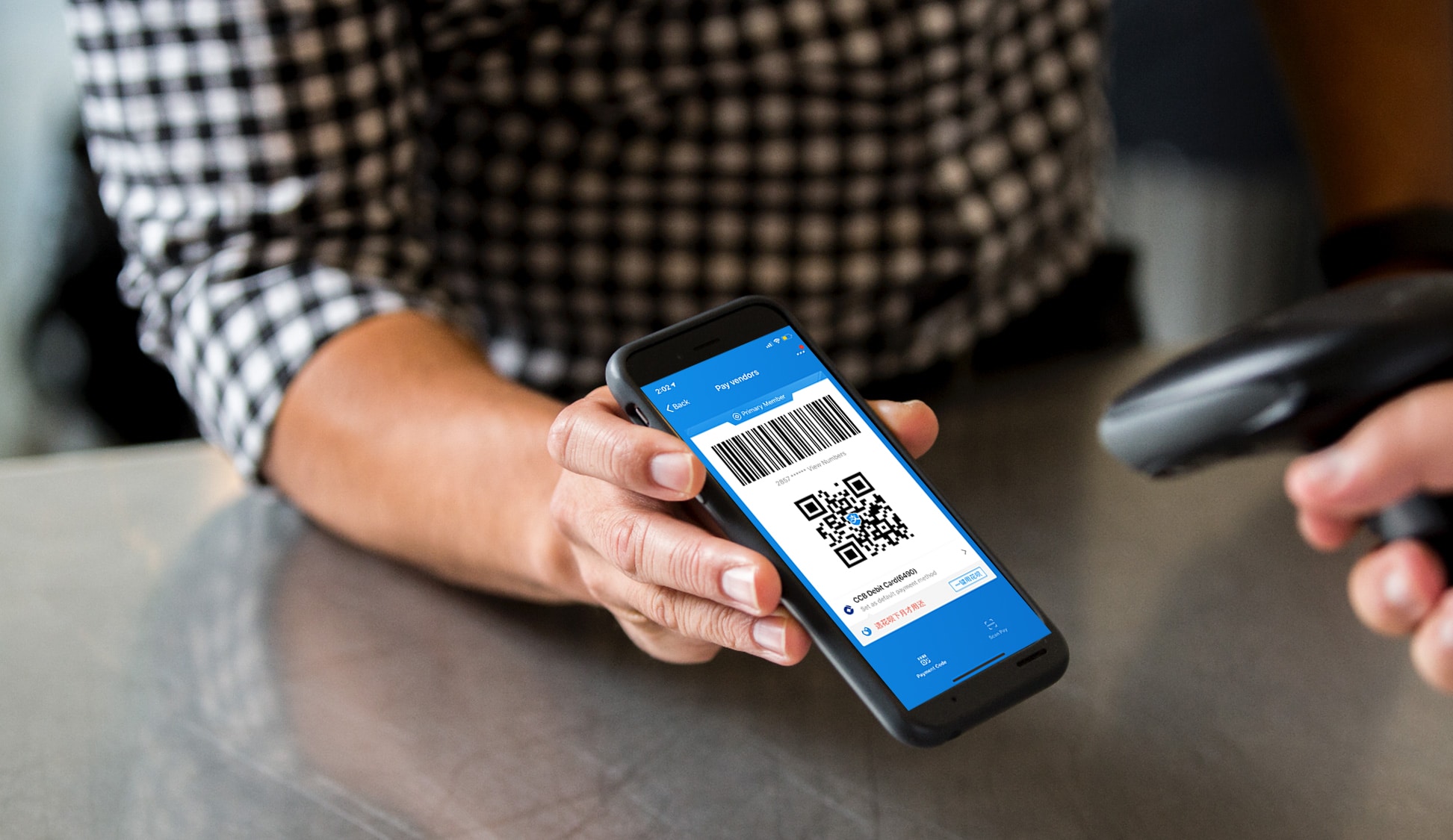
In 2026, digital wallets are expected to account for over 35% of cross-border transactions, as consumers increasingly prefer this payment method for its convenience and security.
- Payment Methods: Diverse options such as credit cards, digital wallets, and bank transfers are essential for catering to different customer preferences.
- Regulatory Environment: Understanding the legal landscape in different countries can help avoid compliance pitfalls.
- Market Trends: Keeping an eye on emerging trends can provide a competitive edge.
- Consumer Behavior: Adapting to changing customer preferences is key to maintaining relevance.
ROI and Business Case
Investing in optimized cross-border payment solutions can yield significant returns. By reducing transaction costs and improving speed, businesses can enhance their bottom line.
Research indicates that companies that streamline their payment processes can increase sales by up to 20%, highlighting the financial benefits of efficient cross-border transactions.
- Increased Sales: Efficient payment processes can lead to higher conversion rates.
- Cost Savings: Reducing transaction fees can significantly improve profit margins.
- Enhanced Customer Experience: Faster transactions lead to increased customer satisfaction.
- Competitive Advantage: Businesses that optimize payments can differentiate themselves in the market.
How Citcon Solves This
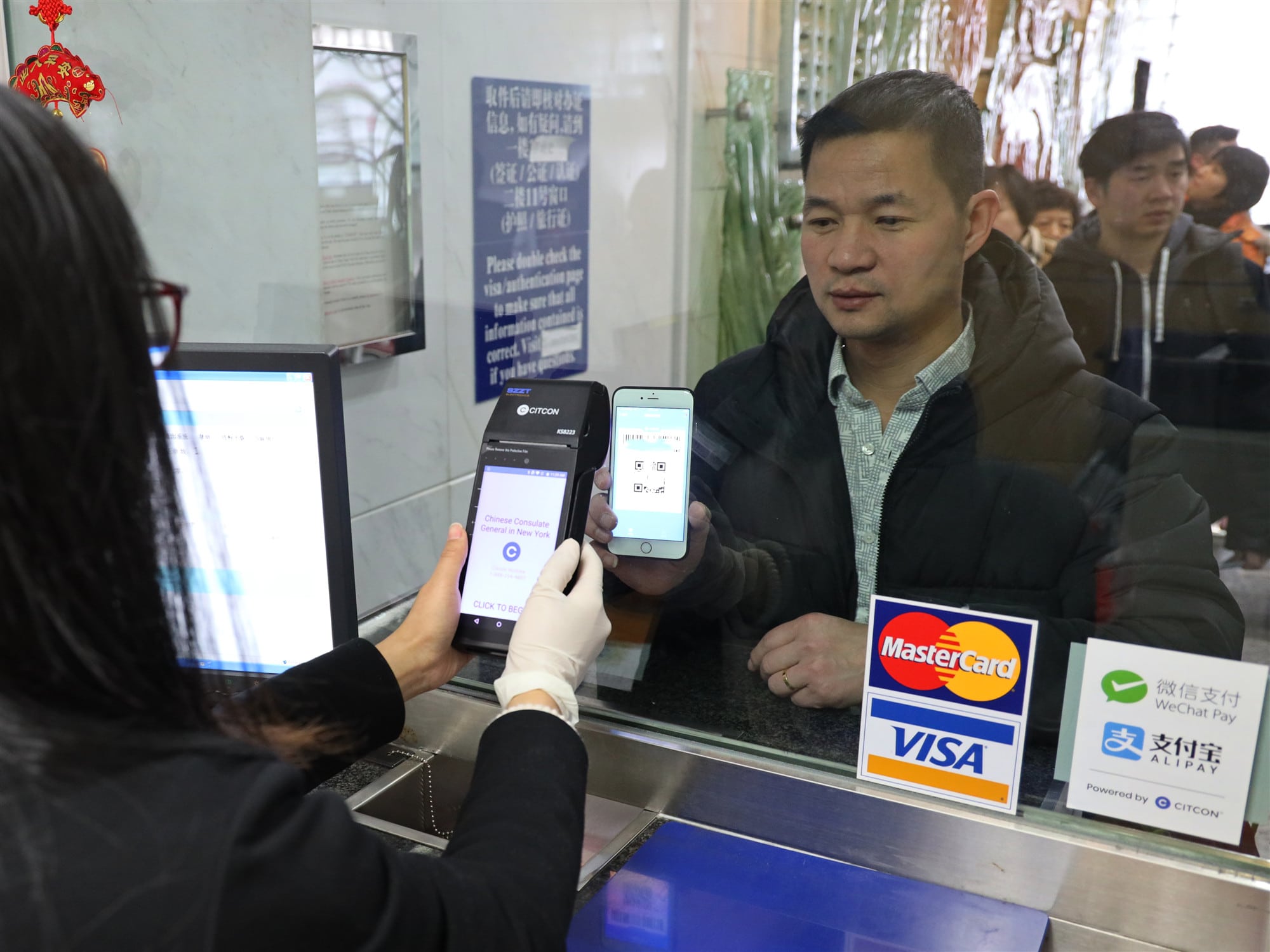
Citcon offers a single API that integrates over 100 payment methods, simplifying the cross-border payment process for businesses. This flexibility allows companies to cater to a global audience with ease.
Additionally, Citcon’s solutions include Buy Now, Pay Later (BNPL) options and comply with PCI-DSS Level 1 standards, ensuring both security and convenience for users.
For further insights, check out our recent posts on cross-border transaction costs and fintech innovations in 2025.
What are the benefits of cross-border payment settlement?
The benefits include reduced transaction costs, faster processing times, and improved customer satisfaction.
How does technology impact cross-border payment settlements?
Technology enhances efficiency, reduces costs, and provides better security in cross-border transactions.
What are the common challenges in cross-border payments?
Common challenges include high fees, regulatory compliance, and currency fluctuations.
How can businesses reduce cross-border payment fees?
Businesses can reduce fees by comparing payment providers and leveraging automated solutions.
What role do digital wallets play in cross-border payments?
Digital wallets are increasingly preferred by consumers for their convenience and security in cross-border transactions.
How do regulatory changes affect cross-border payments?
Regulatory changes can impact compliance requirements, fees, and transaction speeds in cross-border payments.
What are the trends in cross-border payment methods for 2026?
Trends indicate that digital wallets will dominate, making up over 35% of cross-border transactions.
How can Citcon help with cross-border payments?
Citcon provides a comprehensive solution with a single API for multiple payment methods, ensuring efficiency and compliance.
Key Takeaways
- Projected growth: Cross-border payments to exceed $250 trillion by 2026.
- Cost challenges: Average fees for cross-border transactions remain at 3-5%.
- Technology's role: Digital wallets expected to account for 35% of transactions.
- ROI potential: Streamlined payments can increase sales by up to 20%.























.jpg)







.png)