Harnessing Payment Technology for Cross-Border Commerce Growth in 2026
WRITTEN BY

Dylan Coombs
Citcon
Commercial Leader
Date
Jun 29, 2026
Subscribe to our interesting updates
SHARE ON

Payment technology in 2026 is revolutionizing cross-border commerce, enabling businesses to expand globally with enhanced efficiency and reduced costs.
As we move into 2026, the global payment landscape has transformed dramatically. According to a 2025 report by Worldpay, digital payments are expected to account for over 60% of global transactions. Additionally, a Statista report from 2025 highlights that cross-border e-commerce is projected to reach $4.5 trillion, emphasizing the critical role of payment technology in this growth. These figures underscore the necessity for businesses to adopt cutting-edge payment solutions to remain competitive.
In this context, understanding the nuances of payment technology becomes crucial for businesses aiming to thrive in cross-border commerce. Digital wallets, real-time payments, and blockchain are just a few of the innovations reshaping the industry. With the rise of mobile commerce and the increasing demand for seamless transactions, businesses must leverage these technologies to meet consumer expectations and drive growth.
Market Context in 2026
The payment technology market in 2026 is characterized by rapid advancements and increased adoption across various sectors. As businesses seek to enhance their payment processes, understanding the market dynamics is essential.
According to a 2025 report by Bain & Company, the payment technology market is expected to grow by 15% annually. This growth is driven by several factors:
- Consumer Demand: Consumers increasingly prefer digital payment methods for their convenience and security.
- Technological Advancements: Innovations such as AI and blockchain are enhancing transaction speed and security.
- Regulatory Changes: Governments worldwide are implementing regulations to support digital payments.
- Globalization: Cross-border commerce is becoming more accessible, driving demand for efficient payment solutions.
- Cost Efficiency: Digital payments reduce transaction costs, benefiting both consumers and businesses.
These factors highlight the importance of adopting advanced payment technologies to capitalize on market opportunities in 2026.
Challenges in Cross-Border Commerce
Navigating the complexities of cross-border commerce presents significant challenges for businesses. A CFO's role in managing these challenges is crucial to ensuring financial stability and growth.
One of the primary challenges is dealing with differing regulations across countries. According to a 2025 Deloitte report, regulatory compliance is a top concern for 70% of businesses engaged in cross-border trade. This complexity requires businesses to stay informed and adaptable to comply with various international standards.
Another challenge is currency conversion and associated fees. The fluctuating exchange rates can significantly impact profitability, making it essential for businesses to have strategies in place to manage these risks effectively.
Finally, ensuring transaction security is paramount. With cyber threats on the rise, businesses must invest in robust security measures to protect sensitive financial data and maintain consumer trust.
Step-by-Step Guide to Implementing Payment Technology
Implementing payment technology for cross-border commerce requires a strategic approach. Here's a step-by-step guide to help businesses navigate this process effectively.
- Assess Needs: Evaluate the specific payment needs of your business, considering factors such as transaction volume and customer preferences.
- Choose the Right Technology: Select payment solutions that align with your business goals, such as digital wallets or real-time payments.
- Ensure Compliance: Stay updated on international regulations and ensure your payment systems comply with all legal requirements.
- Integrate Securely: Work with experienced providers to integrate payment technology securely into your existing systems.
- Monitor and Adapt: Continuously monitor the performance of your payment systems and adapt to emerging trends and technologies.
Following these steps can help businesses successfully implement payment technology and enhance their cross-border commerce capabilities.
Deep Dive into Digital Wallets
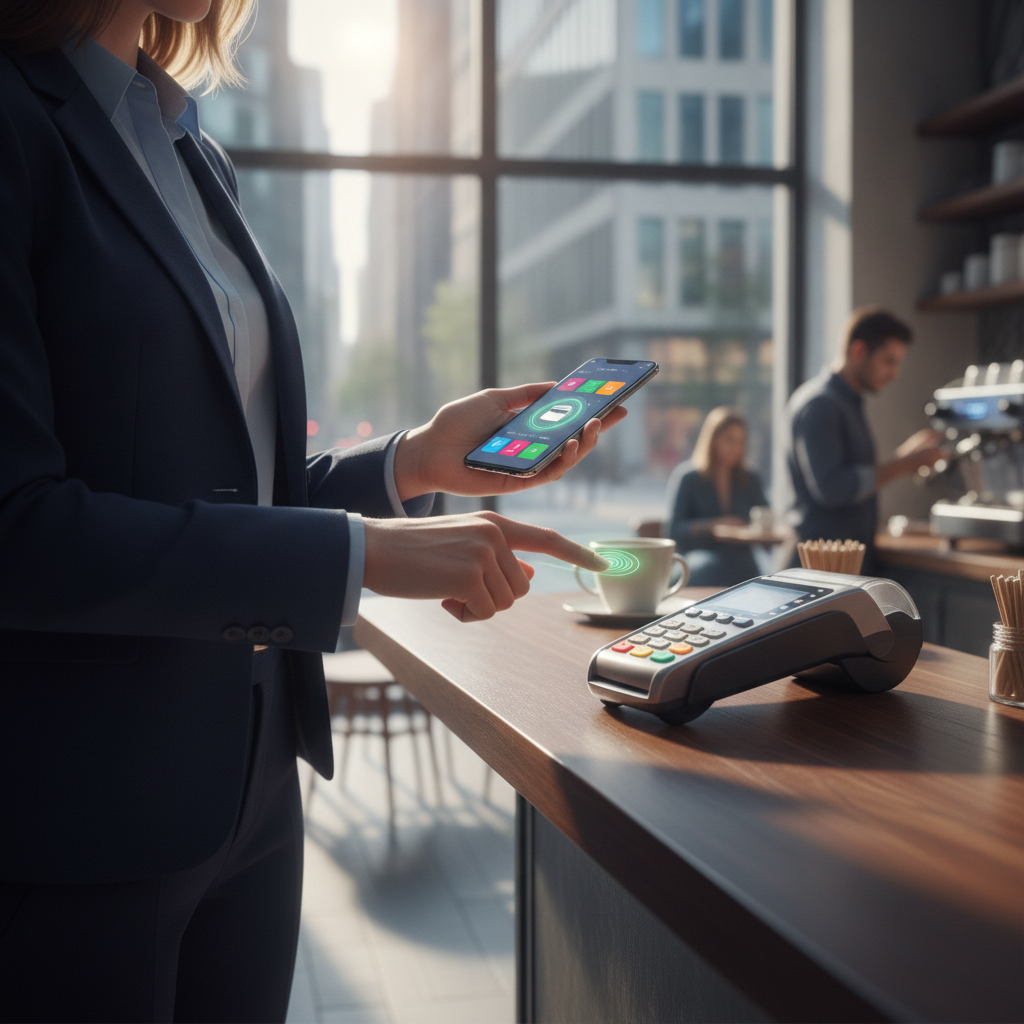
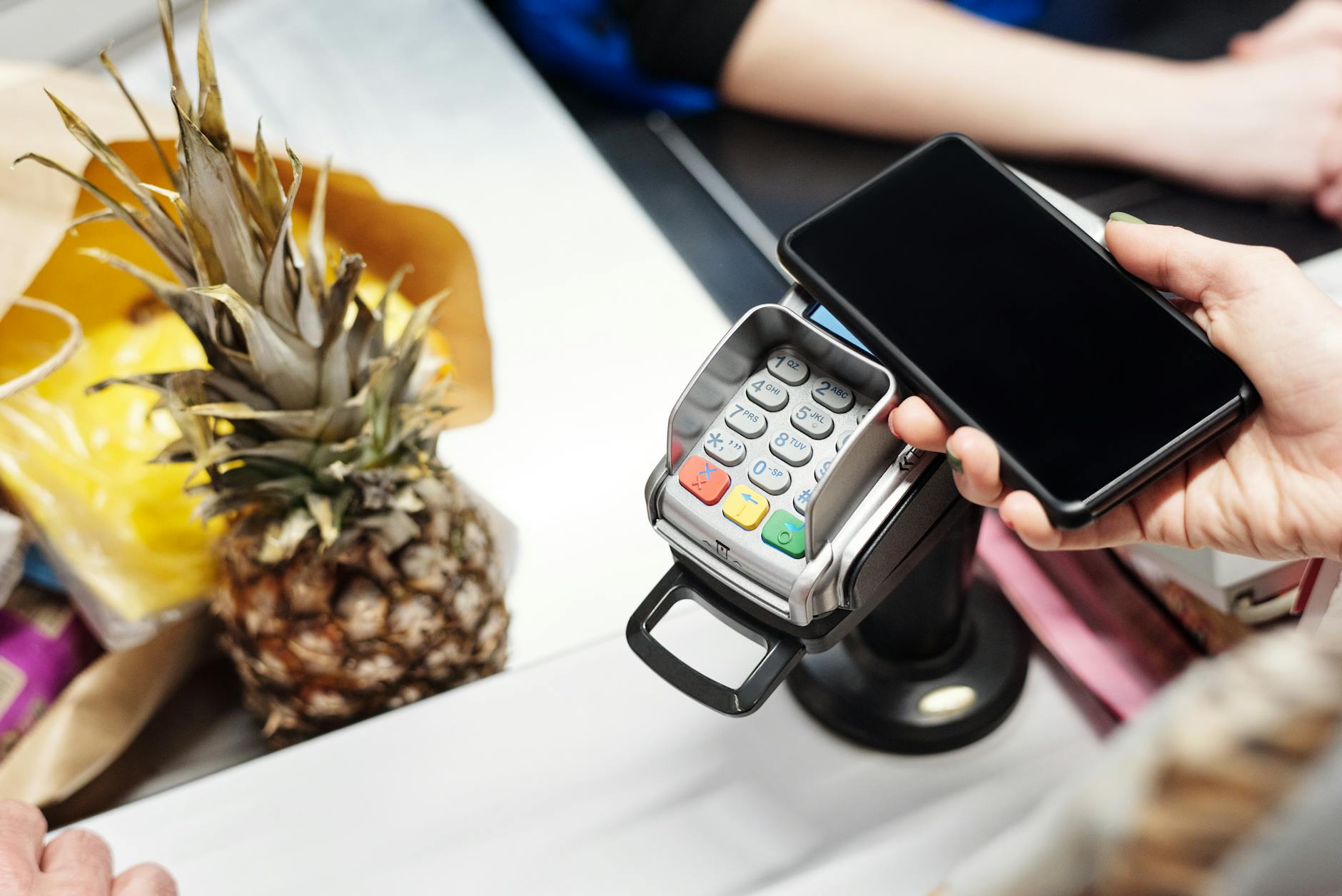
Digital wallets are at the forefront of payment technology, offering numerous benefits for cross-border commerce. In 2026, their role is more significant than ever.
According to a 2025 report by Javelin, digital wallet adoption is expected to increase by 25%, driven by consumer demand for convenience and security. Digital wallets offer seamless transactions, eliminating the need for physical cards and reducing the risk of fraud.
Moreover, digital wallets facilitate international transactions by supporting multiple currencies and providing real-time exchange rates. This capability is crucial for businesses engaged in cross-border commerce, as it simplifies the payment process and enhances customer satisfaction.
- Convenience: Digital wallets streamline the payment process, offering quick and easy transactions.
- Security: Advanced encryption ensures the safety of financial data.
- Cost Savings: Reduced transaction fees compared to traditional payment methods.
- Flexibility: Support for multiple currencies and payment methods.
The adoption of digital wallets in 2026 is a strategic move for businesses aiming to optimize their payment systems and drive growth in cross-border commerce.
ROI of Payment Technology
Investing in payment technology offers significant returns on investment for businesses engaged in cross-border commerce. In 2026, these benefits are more pronounced than ever.
A 2025 report by Accenture reveals that businesses implementing advanced payment solutions can expect a revenue uplift of up to 20%. This increase is attributed to improved customer experience and expanded market reach.
Additionally, payment technology reduces operational costs. By automating payment processes and minimizing manual intervention, businesses can achieve cost reductions of up to 30%, according to a 2025 McKinsey study.
- Revenue Growth: Enhanced customer satisfaction and market expansion lead to increased sales.
- Cost Efficiency: Automation reduces operational expenses and improves profitability.
- Risk Mitigation: Advanced security features protect against fraud and data breaches.
The ROI of payment technology in 2026 underscores its importance as a strategic investment for businesses aiming to succeed in cross-border commerce.
Citcon's Solution for Cross-Border Payments
Citcon offers a comprehensive solution for businesses looking to optimize their cross-border payment processes. With a single API, Citcon provides access to over 100 payment methods, including popular APAC wallets and BNPL options.
Citcon's platform is PCI-DSS Level 1 certified, ensuring the highest level of security for all transactions. This certification is crucial for businesses looking to protect sensitive financial data and maintain consumer trust.
By leveraging Citcon's payment technology, businesses can streamline their payment processes, reduce costs, and enhance customer satisfaction, ultimately driving growth in the competitive cross-border commerce landscape.
FAQs
What are the benefits of using digital wallets in 2026?
Digital wallets offer convenience, security, and flexibility, making them an ideal choice for cross-border commerce. According to Javelin's 2025 report, their adoption is expected to increase by 25%, driven by consumer demand for seamless transactions.
How does payment technology reduce costs for businesses?
Payment technology automates processes, reducing the need for manual intervention and minimizing transaction fees. A 2025 McKinsey study indicates that businesses can achieve cost reductions of up to 30% through these efficiencies.
What role does Citcon play in cross-border payments?
Citcon provides a single API solution that connects businesses to over 100 payment methods, including APAC wallets and BNPL options. Their PCI-DSS Level 1 certification ensures secure and efficient transactions.
How can businesses ensure compliance with international regulations?
Staying informed about regulatory changes and working with experienced payment providers like Citcon can help businesses navigate the complexities of international compliance. A 2025 Deloitte report highlights the importance of adaptability in this area.
What is the expected growth of cross-border e-commerce in 2026?
Statista's 2025 report projects that cross-border e-commerce will reach $4.5 trillion, emphasizing the importance of efficient payment solutions in capturing this market opportunity.
How does payment technology enhance customer experience?
By offering seamless and secure transactions, payment technology improves customer satisfaction and loyalty. According to a 2025 Accenture report, businesses can expect a revenue uplift of up to 20% through enhanced customer experiences.
Key Takeaways
- Payment Technology Growth: Expected to grow by 15% annually, driven by consumer demand and technological advancements.
- Cross-Border Challenges: Businesses face regulatory and currency conversion challenges, requiring strategic solutions.
- Digital Wallet Benefits: Offer convenience, security, and cost savings, driving their adoption in 2026.
- ROI of Payment Technology: Significant revenue uplift and cost reductions highlight its strategic importance.
- Citcon's Role: Provides a secure, comprehensive solution for businesses navigating cross-border payments.