
Why 30% of Airlines Boost Ancillary Revenue with Local Payments in 2026
WRITTEN BY

Dylan Coombs
Citcon
Commercial Leader
Date
Jul 30, 2026
Subscribe to our interesting updates
SHARE ON
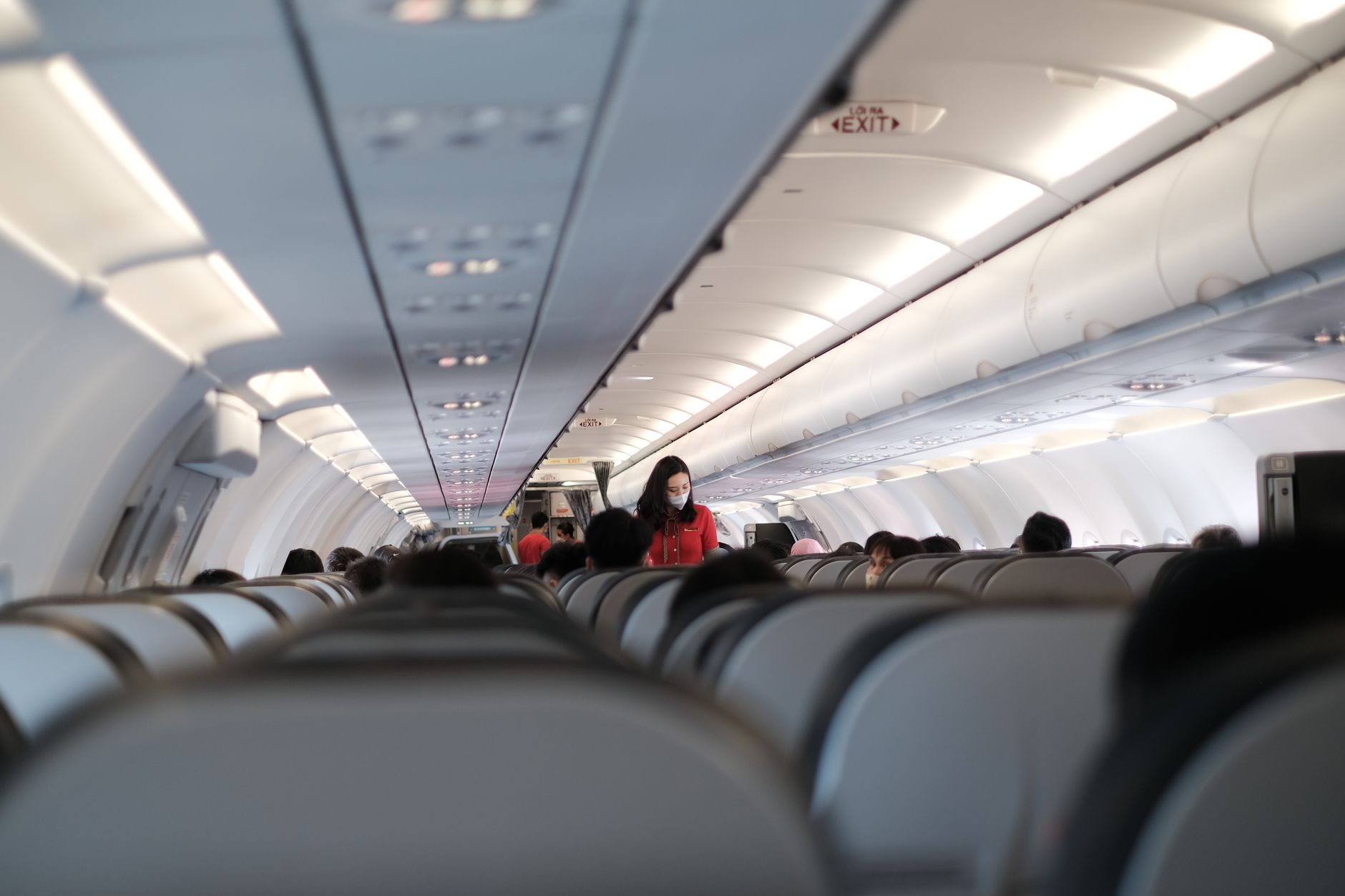
Airlines can significantly enhance their ancillary revenue by supporting local digital payment methods, with 30% of airlines reporting improved revenue streams as a result of this strategy in 2026.
What is ancillary revenue? Ancillary revenue refers to the non-ticket income that airlines generate from various services and products offered to passengers.
The global airline industry is expected to generate approximately $372 billion in ancillary revenue by 2026, according to a report from IdeaWorksCompany. As airlines face increasing competition and tighter profit margins, capturing ancillary revenue has become essential. However, many airlines still struggle to optimize their payment processes, leading to missed opportunities for revenue growth.
Context
Supporting local digital payment methods allows airlines to cater to diverse customer bases effectively, leading to increased ancillary revenue. By providing payment options that resonate with local consumers, airlines can enhance customer satisfaction and drive additional sales.
In 2025, payment preferences varied significantly across regions, with over 60% of travelers in Asia preferring local payment methods. This trend reflects a broader shift in consumer behavior, where travelers prioritize convenience and familiarity when making purchases.
- Local currency acceptance: Allows travelers to pay in their home currency, enhancing comfort.
- Diverse payment options: Attracts a broader audience by accommodating varying preferences.
- Increased conversion rates: Airlines can see conversion rates rise by up to 20% by offering local payment methods.
- Enhanced customer loyalty: Satisfied customers are more likely to return and recommend the airline.
Core Challenge
Despite the clear advantages, many airlines face challenges in implementing local payment methods effectively. The core challenge lies in understanding regional payment preferences and integrating them into existing systems.
For instance, airlines that do not offer local payment methods may experience up to a 25% drop in potential sales from international travelers. Additionally, the lack of localized payment options can lead to higher cart abandonment rates, costing airlines millions in potential revenue.
Airlines must recognize the financial stakes involved in failing to adapt. In regions where local payment methods are preferred, the inability to provide these options can directly impact ancillary revenue streams.
- Revenue loss: Airlines risk losing significant revenue by not supporting local payments.
- Increased transaction failures: Payment failures can lead to frustrated customers and abandoned purchases.
- Higher operational costs: Inefficient payment processing can increase operational overhead.
- Competitive disadvantage: Airlines lagging in payment innovation may fall behind competitors.
How to Capture More Ancillary Revenue
Airlines can capture more ancillary revenue by integrating local digital payment methods into their payment systems. This involves understanding local preferences and ensuring seamless transaction experiences.
To implement local payment methods successfully, airlines should follow these steps:
- Research local payment preferences: Identify which payment methods are popular in target markets.
- Integrate payment solutions: Use a payment processor that supports multiple local payment methods.
- Test and optimize: Continuously monitor transaction success rates and customer feedback.
- Market local options: Promote the availability of local payment methods in marketing campaigns.
Deep Dive into Payment Methods
Understanding the various local payment methods available is crucial for airlines seeking to enhance their ancillary revenue. Each region has its own preferred methods, and airlines must tailor their offerings accordingly.
For example, in Southeast Asia, e-wallets like GrabPay and GCash are widely used, while in Europe, local bank transfers are often preferred. Recognizing these trends allows airlines to better meet customer needs.
- E-wallets: Popular in Asia, offering convenience and security.
- Bank transfers: Common in Europe, providing direct transactions.
- Mobile payments: Gaining traction globally, especially among younger travelers.
- Buy Now, Pay Later (BNPL): Attractive for high-value purchases, improving conversion rates.
ROI and Business Case
Investing in local payment methods can yield significant returns for airlines. The initial costs associated with integrating new payment systems can be offset by the increased revenue generated from satisfied customers.
Airlines that successfully implement local payment methods can expect to see an ROI of up to 200% within the first year, according to industry reports. This financial incentive underscores the importance of adapting to customer preferences.
- Higher revenue per transaction: Local payments can increase transaction values by up to 15%.
- Cost savings: Reduced transaction fees associated with local payment methods.
- Improved customer satisfaction: Satisfied customers are more likely to spend more.
- Brand loyalty: Enhanced loyalty leads to repeat business and referrals.
How Citcon Solves This
Citcon offers a single API that connects airlines to over 100 local payment methods worldwide, streamlining the integration process. This solution enables airlines to cater to diverse customer preferences efficiently.
Moreover, Citcon supports Buy Now, Pay Later (BNPL) options, allowing airlines to enhance their offerings for high-value purchases. Additionally, Citcon is PCI-DSS L1 compliant, ensuring secure transactions for airlines and their customers.
For further insights, consider reading about What Checkout Steps Cause International Shoppers to Drop Off? and The Hidden Cost of Failed Transactions in Payment Processing.
What are the benefits of local payment methods for airlines?
Local payment methods provide airlines with increased customer satisfaction, higher conversion rates, and improved ancillary revenue.
How do local payment methods affect customer loyalty?
Offering local payment methods enhances customer loyalty by providing a familiar and convenient purchasing experience.
What are the most popular local payment methods in Asia?
Popular local payment methods in Asia include e-wallets like GrabPay, GCash, and bank transfers.
How can airlines reduce cart abandonment rates?
Airlines can reduce cart abandonment rates by offering local payment options that meet customer preferences.
What is the impact of payment failures on airline revenue?
Payment failures can significantly impact airline revenue, leading to lost sales and dissatisfied customers.
What is the future of ancillary revenue in the airline industry?
The future of ancillary revenue in the airline industry will increasingly rely on local payment methods and customer-centric offerings.
Key Takeaways
- 30% of airlines report increased ancillary revenue by supporting local payment methods.
- Understanding local payment preferences is crucial for maximizing revenue opportunities.
- Investing in local payment systems can yield an ROI of up to 200% within the first year.
- Citcon's single API offers access to 100+ local payment methods, simplifying integration.
- Customer satisfaction is enhanced by offering familiar payment options, driving loyalty and repeat business.


















































































.jpg)








.png)