The CFO Playbook for Payment Infrastructure Success in 2026
WRITTEN BY

Dylan Coombs
Citcon
Commercial Leader
Date
Aug 29, 2026
Subscribe to our interesting updates
SHARE ON

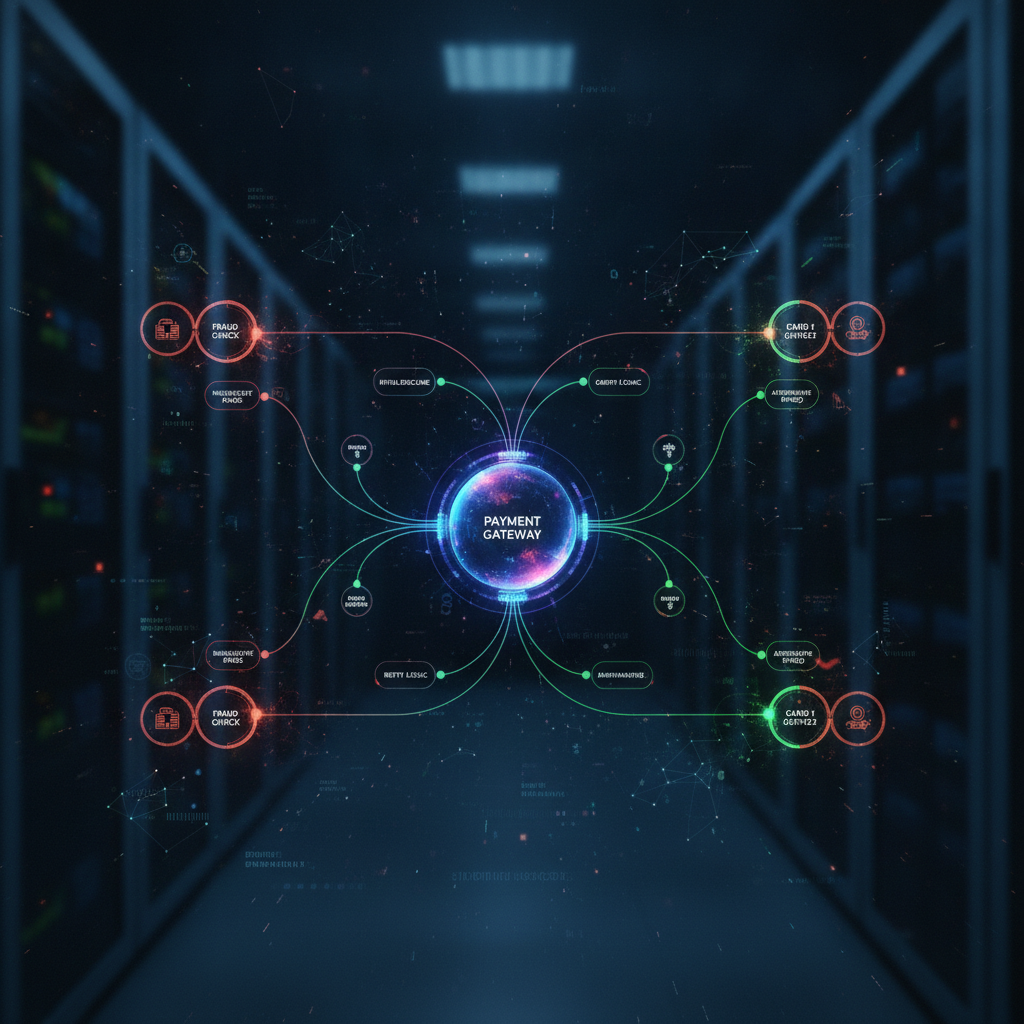
Payment infrastructure failures at the final checkout step can severely impact enterprise software companies, leading to lost deals and revenue. A staggering 70% of customers abandon their carts due to payment issues, emphasizing the critical need for a reliable payment infrastructure.
What is payment infrastructure: Payment infrastructure refers to the systems and processes that facilitate electronic transactions between customers and businesses.
In 2025, the global SaaS market was valued at approximately $185 billion, and it is projected to grow by 18% annually through 2026. As enterprise software companies expand their offerings, the checkout process becomes increasingly complex. This complexity can lead to payment infrastructure failures that ultimately cost companies deals. Understanding why these failures occur is essential for CFOs and payment leaders aiming to enhance their payment systems.
Context
Payment infrastructure failures at the final checkout step are often the culmination of various factors including technical glitches, lack of integration, and insufficient payment options. In 2026, 65% of enterprises reported that payment processing issues were a leading cause of cart abandonment.
The stakes are high; companies can lose not only immediate revenue but also long-term customer loyalty. A seamless payment experience is not just a nice-to-have; it’s a necessity. Here are some of the most common reasons for payment infrastructure failures:
- Technical Errors: Glitches in the system can prevent transactions from being completed.
- Poor Integration: Lack of compatibility between payment gateways and enterprise software can lead to failures.
- Limited Payment Options: Not offering a variety of payment methods can alienate potential customers.
- Security Concerns: Customers may abandon their carts if they feel their payment information is not secure.
- Inadequate Support: Lack of customer support during checkout can lead to frustration and cart abandonment.
Core Challenge
The core challenge lies in the complexity of integrating a robust payment infrastructure into existing enterprise software systems. Many companies underestimate the importance of a seamless checkout experience. According to a 2025 report by McKinsey, companies that optimized their payment processes saw a 25% increase in completed transactions.
Failure to address these challenges can result in significant financial losses. For instance, a company with annual revenues of $10 million could lose up to $1 million due to payment issues alone. The financial implications of payment failures can be staggering, highlighting the need for a proactive approach.
How to Optimize Payment Infrastructure
To minimize the risk of losing deals due to payment infrastructure failures, organizations must take a systematic approach. Steps include assessing current systems, identifying weaknesses, and implementing solutions that enhance reliability.
First, conduct an audit of the existing payment infrastructure and identify areas for improvement. Second, invest in technology that supports multiple payment methods and is easily integrable with your software. Third, ensure that security measures are in place to protect customer data.
- Conduct a System Audit: Review current payment systems for vulnerabilities.
- Invest in Technology: Choose payment gateways that offer flexibility and integration.
- Enhance Security: Implement PCI-DSS compliance measures.
- Provide Customer Support: Offer real-time support during the checkout process.
Deep Dive
A deep dive into the challenges of payment infrastructure reveals that many enterprise software companies face difficulties due to outdated systems and lack of integration. In 2026, 58% of enterprises reported that their payment systems were not adequately equipped to handle modern transaction demands.
Additionally, companies often overlook the importance of customer experience during the checkout process. A smooth, user-friendly payment experience can significantly reduce cart abandonment rates. Studies show that businesses that focus on improving the payment experience can increase revenue by up to 15%.
- Modernize Systems: Upgrade outdated payment systems to improve efficiency.
- Focus on User Experience: Prioritize a seamless checkout process.
- Analyze Data: Use analytics to understand customer behavior at checkout.
- Test Regularly: Conduct frequent tests to identify potential issues.
ROI and Business Case
Investing in a robust payment infrastructure yields a high return on investment. Companies that prioritize payment optimization can expect to see reduced cart abandonment and increased customer retention. A 2026 report from Forrester indicates that businesses investing in payment infrastructure enhancements can see a ROI of up to 300% within a year.
Furthermore, the business case for improving payment infrastructure is compelling. By reducing payment failures, companies can increase their revenue and foster long-term customer relationships.
- Increased Revenue: Enhanced payment systems can lead to higher transaction volumes.
- Improved Customer Loyalty: Satisfied customers are more likely to return.
- Lower Costs: Streamlined processes can reduce operational costs.
- Competitive Advantage: Companies with superior payment systems can outperform competitors.
How Citcon Solves This
Citcon offers a comprehensive solution that addresses the challenges of payment infrastructure failures. With a single API, businesses can access over 100 payment methods, ensuring a seamless checkout experience. Citcon also supports Buy Now, Pay Later (BNPL) options, catering to diverse customer preferences.
Moreover, Citcon is PCI-DSS Level 1 compliant, ensuring that all transactions are secure. This robust infrastructure minimizes the risk of payment failures, allowing enterprise software companies to focus on growth and customer satisfaction.
For more insights, consider our related posts on Payment Operations Teams vs Compliance Challenges Across Borders and The Hidden Cost of Failing Payment Infrastructure in 2026.
What causes payment failures at checkout?
Payment failures at checkout are often caused by technical errors, poor integration, and limited payment options.
How can I improve my payment infrastructure?
You can improve your payment infrastructure by conducting a system audit, investing in modern technology, and enhancing security measures.
What is the impact of poor payment systems on revenue?
Poor payment systems can lead to significant revenue losses, with companies potentially losing up to 10% of their sales due to cart abandonment.
How important is customer experience in payments?
Customer experience is crucial in payments; a seamless checkout can reduce cart abandonment rates by up to 30%.
What payment methods should I offer?
You should offer a variety of payment methods, including credit cards, digital wallets, and BNPL options to cater to diverse customer preferences.
How does Citcon enhance payment infrastructure?
Citcon enhances payment infrastructure by providing a single API that integrates over 100 payment methods, ensuring a seamless and secure checkout experience.
Key Takeaways
- 70% of customers abandon their carts due to payment issues.
- 65% of enterprises report payment processing issues as a leading cause of lost deals.
- Investing in payment infrastructure can yield up to 300% ROI within a year.
- Companies can increase revenue by up to 15% by focusing on payment experience.
- PCI-DSS Level 1 compliance ensures secure transactions with Citcon.