6 Digital Payment Methods Dominating E-Commerce in South Korea
WRITTEN BY

Dylan Coombs
Citcon
Commercial Leader
Date
Oct 13, 2026
Subscribe to our interesting updates
SHARE ON

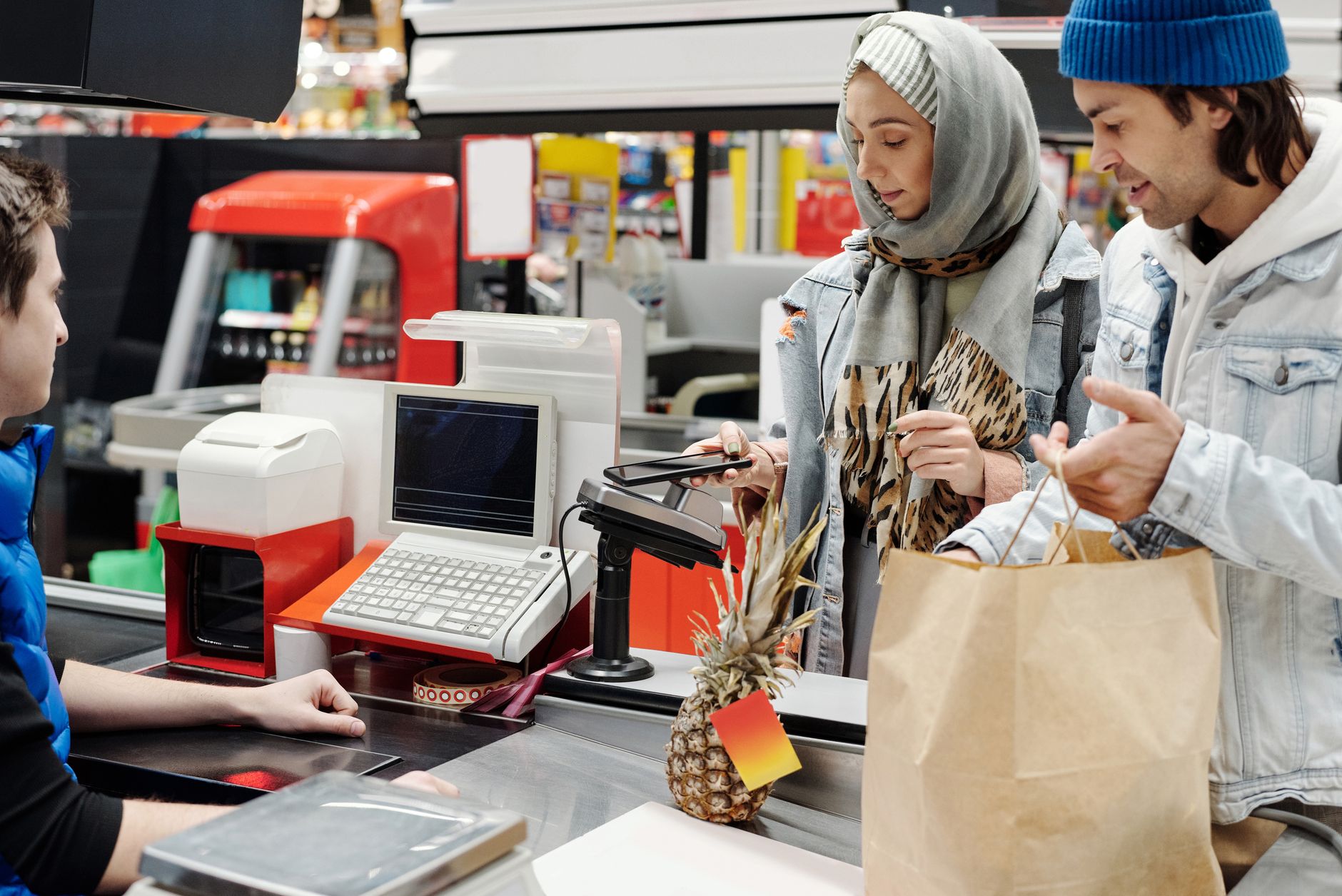
In South Korea, digital payment methods such as mobile wallets and bank transfers dominate e-commerce. As of 2026, mobile payments account for over 70% of all online transactions in the country.
What is digital payment method: Digital payment methods are financial transactions conducted electronically, often through mobile devices or online platforms.
The South Korean e-commerce market is booming, projected to reach approximately $200 billion by 2026. This rapid growth is largely driven by the increasing adoption of digital payment methods, which cater to the tech-savvy population. With over 90% of South Koreans owning smartphones, the landscape is ripe for mobile and online transaction innovations.
However, businesses entering this market face significant challenges. Understanding the dominant payment methods is crucial for optimizing transaction processes and enhancing customer satisfaction. The complex ecosystem of payment options can create barriers for foreign businesses looking to capture market share.
Context
Digital payment methods in South Korea are characterized by their diversity and rapid adoption. Mobile wallets, bank transfers, and credit card payments are the most popular options, with each catering to different consumer preferences.
According to a recent report by Statista, mobile payments alone are expected to reach 75% of the total e-commerce transaction volume by 2026. This trend highlights the importance of integrating mobile payment solutions into e-commerce strategies.
- Mobile Wallets: Services like Kakao Pay and Naver Pay are leading the charge, offering seamless transactions.
- Bank Transfers: Direct bank transfers remain popular, especially for larger transactions.
- Credit Cards: Credit cards still hold a significant share, particularly among older consumers.
- QR Code Payments: QR code technology is widely accepted, facilitating quick transactions.
- Buy Now, Pay Later (BNPL): This option is gaining traction, particularly among younger consumers.
Core Challenge
One of the core challenges in adopting digital payment methods in South Korea is ensuring security and trust. As cyber threats evolve, consumers demand robust security features.
The financial stakes are high; according to a report by the Korea Internet & Security Agency, cybercrime in South Korea cost businesses approximately $1.3 billion in 2025 alone. Companies must invest in secure payment systems to protect their revenue.
Moreover, consumer preference for specific payment methods can vary significantly. Businesses must remain adaptable to changing trends to avoid losing customer trust.
How to Integrate Dominant Payment Methods
Integrating dominant payment methods in South Korea involves understanding consumer behavior and preferences. Businesses should prioritize mobile payment solutions and ensure that their platforms are optimized for these transactions.
Steps to effectively integrate payment methods include:
- Conduct market research to identify preferred payment methods among target consumers.
- Partner with local payment processors to facilitate smooth transactions.
- Implement robust security measures to protect customer data.
- Offer multiple payment options to cater to diverse consumer preferences.
Deep Dive into Popular Payment Methods
Mobile wallets are leading the charge in South Korea’s e-commerce landscape. Kakao Pay and Naver Pay dominate, offering features like loyalty rewards and instant transfers.
Bank transfers remain a strong choice, particularly for larger purchases. According to the Bank of Korea, over 60% of online shoppers prefer this method for significant transactions.
- Kakao Pay: With over 36 million users, it is a preferred choice for mobile payments.
- Naver Pay: Integrated with the popular search engine, it offers seamless transactions.
- Credit Card Payments: Still popular, especially among older demographics.
- QR Code Payments: Widely accepted in retail and online settings.
ROI and Business Case
The ROI of integrating digital payment methods in South Korea can be substantial. Companies that adopt mobile payments report an increase in transaction speed and customer satisfaction.
Benefits include:
- Higher conversion rates due to simplified checkout processes.
- Increased customer loyalty through preferred payment options.
- Enhanced data analytics capabilities from payment platforms.
- Reduced transaction costs associated with traditional payment methods.
How Citcon Solves This
Citcon offers a single API that integrates over 100 payment methods, enabling businesses to tap into South Korea's diverse payment landscape. Our solutions include Buy Now, Pay Later options and compliance with PCI-DSS Level 1 standards.
This comprehensive approach allows businesses to focus on growth while we handle the complexities of payment processing.
For more insights, check out our related posts on Smart Payment Routing Boosts Authorization Rates Significantly and What Challenges Do Food and Beverage Brands Face with Local Payment Infrastructure?.
What payment methods are most popular in South Korea?
The most popular payment methods in South Korea include mobile wallets like Kakao Pay and Naver Pay, bank transfers, and credit cards.
Are mobile payments growing in South Korea?
Yes, mobile payments are expected to account for 75% of e-commerce transactions by 2026.
What is the role of QR codes in South Korea's payment landscape?
QR codes are widely used for quick transactions, especially in retail settings.
How do bank transfers compare to mobile payments?
Bank transfers remain a strong choice for larger transactions, while mobile payments dominate small to medium purchases.
What security measures are important for digital payments?
Strong encryption, two-factor authentication, and compliance with PCI-DSS standards are critical for securing digital payments.
Is BNPL popular among South Korean consumers?
Yes, Buy Now, Pay Later options are gaining popularity, especially among younger consumers.
Key Takeaways
- Mobile payments: Account for over 70% of e-commerce transactions.
- Kakao Pay: Leads with over 36 million users.
- Bank transfers: Preferred for larger transactions.
- Security: Essential for consumer trust in digital payments.
- ROI: Higher conversion rates linked to integrated payment methods.