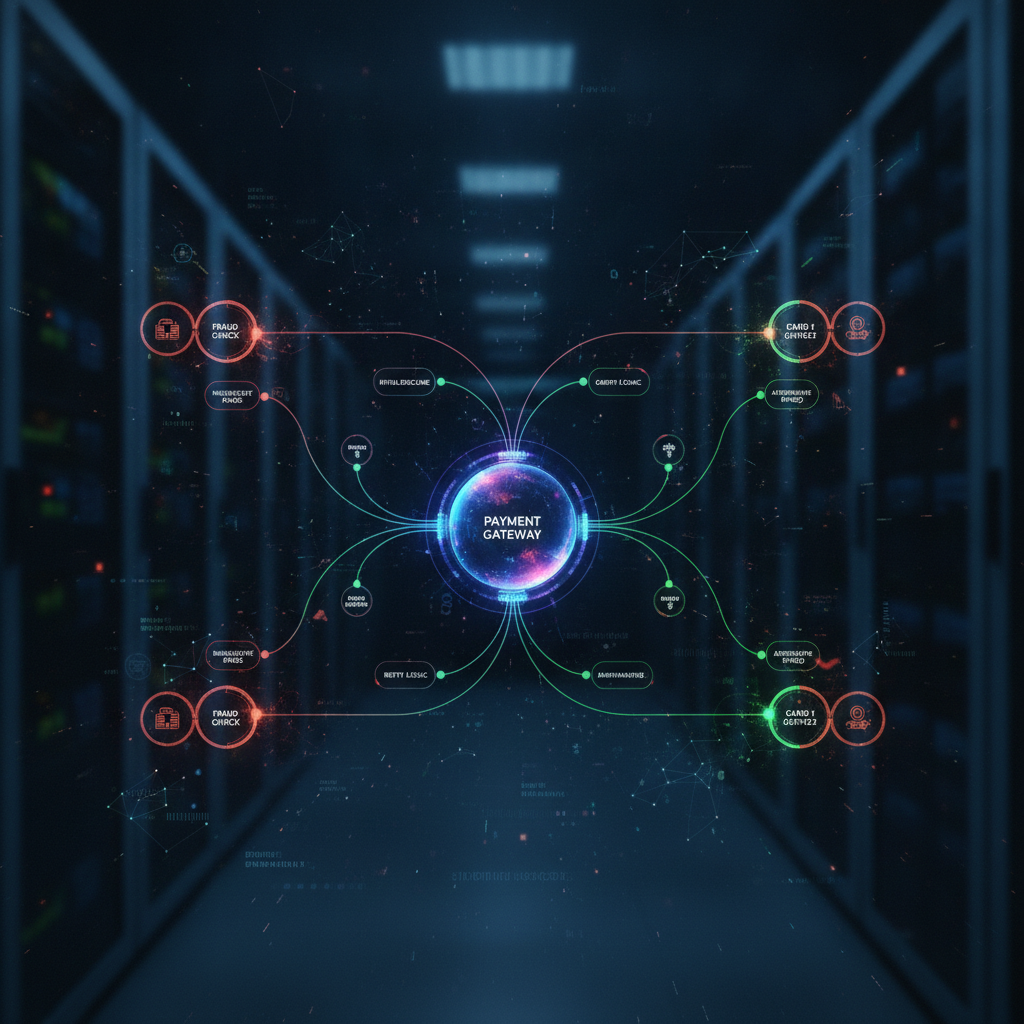
The Hidden Cost of Failing Payment Infrastructure in 2026
WRITTEN BY

Dylan Coombs
Citcon
Commercial Leader
Date
Aug 26, 2026
Subscribe to our interesting updates
SHARE ON

Payment infrastructure failures can lead to significant deal losses for enterprise software companies. A staggering 70% of potential customers abandon their carts due to payment issues, according to a 2025 study by Baymard Institute.
What is payment infrastructure: Payment infrastructure refers to the systems and processes that facilitate online transactions between businesses and consumers.
The software industry is rapidly evolving, with companies increasingly relying on seamless payment solutions to close deals. In 2026, the global SaaS market is projected to reach $200 billion, making the stakes higher than ever. However, as businesses push for digital transformation, payment infrastructure often becomes a bottleneck that can hinder conversion rates and customer satisfaction.
Recent data indicates that 30% of businesses report losing clients due to inadequate payment processing capabilities. This reveals a critical flaw in the purchasing journey that enterprise software firms cannot afford to ignore. In this article, we will explore why these failures occur at the final checkout step and how they can be addressed effectively.
Context
Payment infrastructure failures are often the last hurdle in the customer journey. When a customer decides to make a purchase, they expect a seamless checkout experience. Any disruption at this stage can lead to cart abandonment and lost revenue.
In 2025, the average cart abandonment rate was reported at 69.8% across various industries, with payment issues being a leading cause. Companies that fail to optimize their payment processes risk losing not only immediate sales but also long-term customer loyalty. Here are some common pitfalls:
- Complex payment processes: Lengthy forms and multiple redirects can frustrate customers.
- Lack of payment options: Not offering preferred payment methods can alienate potential buyers.
- Security concerns: Customers may abandon their carts if they feel their payment information is not secure.
- Technical glitches: System downtimes or errors during the payment process can lead to immediate drop-offs.
Core Challenge
The core challenge lies in the inability of enterprise software companies to provide a reliable payment experience. A survey by Deloitte in 2026 revealed that 65% of consumers would abandon a purchase if they encounter payment issues, translating to millions in lost revenue.
For example, if a company generating $10 million in annual revenue experiences a 5% drop in sales due to payment failures, this equates to a loss of $500,000. The stakes are high, especially when considering the competitive landscape of SaaS products. Here are some dollar stakes involved:
- Customer Lifetime Value (CLV): Failing to close deals can significantly impact a company's CLV.
- Market share: Competitors with better payment solutions can capture your audience.
- Brand reputation: Payment failures can damage brand trust and loyalty.
- Operational costs: Resolving payment issues can incur additional costs, straining resources.
How to Optimize Payment Infrastructure
Optimizing payment infrastructure is crucial for reducing deal losses. Companies must focus on streamlining their payment processes to enhance customer experience.
First, ensure that your payment systems are integrated and user-friendly, reducing friction at checkout. Second, offer a variety of payment options to cater to different customer preferences. Finally, invest in security measures to build trust. The steps to optimize include:
- Conducting regular audits of your payment systems.
- Implementing user-friendly interfaces.
- Providing multiple payment options.
- Ensuring compliance with security standards.
Deep Dive
A deep dive into the technical aspects of payment infrastructure reveals several areas for improvement. Companies must focus on API integrations, payment gateways, and fraud detection systems to ensure a robust payment experience.
In 2026, businesses that implement multi-channel payment solutions see a 20% increase in conversion rates. A typical integration can provide real-time processing, which is essential for customer satisfaction. Here are some key areas to focus on:
- API scalability: Ensure your payment API can handle spikes in transactions.
- Real-time analytics: Monitor transaction data to identify issues quickly.
- Fraud prevention: Implement advanced fraud detection technologies.
- Customer feedback loops: Regularly gather feedback to refine payment processes.
ROI and Business Case
Investing in a robust payment infrastructure can yield significant returns. Companies that optimize their payment systems report up to a 30% increase in sales conversion rates.
Additionally, reducing cart abandonment can improve overall revenue and customer retention. Here are some compelling reasons to invest:
- Increased sales: Better payment infrastructure leads to higher conversion rates.
- Enhanced customer loyalty: Satisfied customers are more likely to return.
- Reduced operational costs: Streamlined processes save time and resources.
- Competitive advantage: Companies with superior payment solutions stand out.
How Citcon Solves This
Citcon provides a single API that integrates over 100 payment methods, ensuring a seamless checkout experience for enterprise software companies. Our solutions include Buy Now Pay Later (BNPL) options and are PCI-DSS Level 1 compliant, guaranteeing top-notch security.
By partnering with Citcon, companies can reduce payment failures and improve the overall customer experience, ultimately leading to increased sales and brand loyalty.
For more insights, check out our articles on The Hidden Challenge of Local Payment Infrastructure for Food Brands and Increasing Average Order Value by 25% with BNPL in B2B.
Why do enterprise software companies lose deals at checkout?
Enterprise software companies often lose deals at checkout due to payment infrastructure failures, which lead to cart abandonment.
What are common payment issues that lead to lost sales?
Common payment issues include complex processes, lack of payment options, security concerns, and technical glitches.
How can businesses reduce cart abandonment rates?
Businesses can reduce cart abandonment rates by optimizing payment processes, offering multiple payment methods, and ensuring security.
What is the impact of payment failures on customer loyalty?
Payment failures can significantly impact customer loyalty, as 65% of consumers would abandon a purchase due to such issues.
What is the average cart abandonment rate?
The average cart abandonment rate is approximately 69.8%, with payment issues being a primary cause.
How does payment infrastructure affect conversion rates?
Effective payment infrastructure can improve conversion rates by up to 30%, as it enhances the checkout experience.
What are the benefits of a streamlined payment process?
A streamlined payment process can lead to increased sales, enhanced customer loyalty, and reduced operational costs.
How can Citcon improve payment infrastructure?
Citcon improves payment infrastructure by offering a single API with over 100 payment methods, ensuring compliance and security.
Key Takeaways
- 70% of customers abandon carts due to payment issues.
- 65% of consumers
- Investment in payment infrastructure
- Streamlined processes
- Citcon's API