What Challenges Do Food and Beverage Brands Face with Local Payment Infrastructure?
WRITTEN BY

Dylan Coombs
Citcon
Commercial Leader
Date
Oct 10, 2026
Subscribe to our interesting updates
SHARE ON

Food and beverage brands entering new international markets encounter a variety of challenges related to local payment infrastructure. In 2025, 70% of these brands reported difficulties with payment integration in new regions, impacting their growth strategies.
What is local payment infrastructure: Local payment infrastructure refers to the systems and processes that facilitate transactions in a specific geographic area, tailored to local consumer preferences and regulatory requirements.
The global food and beverage market is projected to reach $4.8 trillion by 2026, indicating a substantial opportunity for brands willing to expand internationally. However, the complexities of local payment infrastructures can pose significant hurdles. For instance, different regions have varying consumer expectations regarding payment methods, which can affect checkout conversion rates. Brands must navigate these challenges to successfully enter new markets.
Additionally, local regulations can impact how payments are processed. In Europe, for example, the Revised Payment Services Directive (PSD2) mandates strong customer authentication, which can complicate transactions for brands unfamiliar with the legal landscape. Understanding these factors is crucial for brands aiming to maintain a competitive edge.
Context
Food and beverage brands face a complex landscape when entering new markets, primarily due to the diversity of local payment preferences. In 2025, 62% of brands reported that adapting to local payment methods significantly influenced their market entry strategies.
Local payment preferences can vary widely. For example, while credit cards dominate in the U.S., digital wallets and bank transfers are preferred in various Asian markets. This necessitates a tailored approach to payment processing to enhance customer experience and boost conversion rates.
- Understanding local consumer behavior: Brands must conduct market research to identify preferred payment methods.
- Regulatory compliance: Navigating local laws is crucial to avoid penalties and ensure smooth transactions.
- Integration with existing systems: Ensuring that new payment methods can be seamlessly integrated with existing platforms is vital.
- Fraud prevention: Understanding local fraud risks is essential for maintaining security.
Core Challenge
The core challenge for food and beverage brands in new markets lies in effectively integrating local payment systems. In 2025, brands reported that 45% of their international sales were negatively impacted by payment processing issues.
Failure to adapt to local payment methods not only affects sales but also brand reputation. A poor payment experience can lead to cart abandonment and lost customers, costing brands significantly. For instance, a study by Baymard Institute found that 69.57% of online shopping carts were abandoned, often due to payment-related issues.
The stakes are high. Brands that do not prioritize local payment strategies risk losing market share to competitors who do. The financial implications can be severe; for example, a 10% increase in successful transactions can lead to millions in additional revenue for larger brands.
How to Integrate Local Payment Methods
To effectively integrate local payment methods, brands must adopt a strategic approach. In 2026, 58% of successful brands reported using a multi-faceted strategy for payment integration.
First, conducting thorough market research is essential to identify which payment methods resonate with local consumers. This information can guide the selection of payment options. Next, brands should ensure compliance with local regulations to avoid legal issues that could delay their market entry.
- Market Research: Identify popular payment methods in the target region.
- Regulatory Compliance: Understand local laws related to payment processing.
- Technology Integration: Choose payment gateways that support local methods.
- Testing and Feedback: Conduct user testing to refine the payment experience.
Deep Dive
Understanding the intricacies of local payment systems is essential for brands looking to expand internationally. In 2025, 73% of brands indicated that local payment integration was a top priority for their growth strategies.
Brands must consider factors like payment security, user experience, and transaction fees when selecting payment methods. For example, digital wallets like Alipay and WeChat Pay dominate in China, while in Europe, SEPA transfers are highly regarded.
- Payment Security: Ensuring secure transactions is paramount to building consumer trust.
- User Experience: A seamless payment process enhances customer satisfaction.
- Transaction Fees: Understanding the cost implications of different payment methods can impact pricing strategies.
- Currency Conversion: Offering transparent currency conversion can improve customer experience.
ROI and Business Case
Investing in local payment infrastructure can yield significant returns for food and beverage brands. In 2026, brands that effectively integrated local payment methods reported a 25% increase in conversion rates.
This improved conversion rate can translate to millions in additional revenue, particularly for brands with a global presence. Moreover, a positive payment experience fosters customer loyalty, leading to repeat business and long-term growth.
- Increased Conversion Rates: Brands can expect up to a 25% increase in sales.
- Customer Loyalty: A seamless payment experience encourages repeat purchases.
- Market Expansion: Effective payment integration can facilitate entry into new markets.
- Cost Savings: Streamlined payment processes can reduce operational costs.
How Citcon Solves This
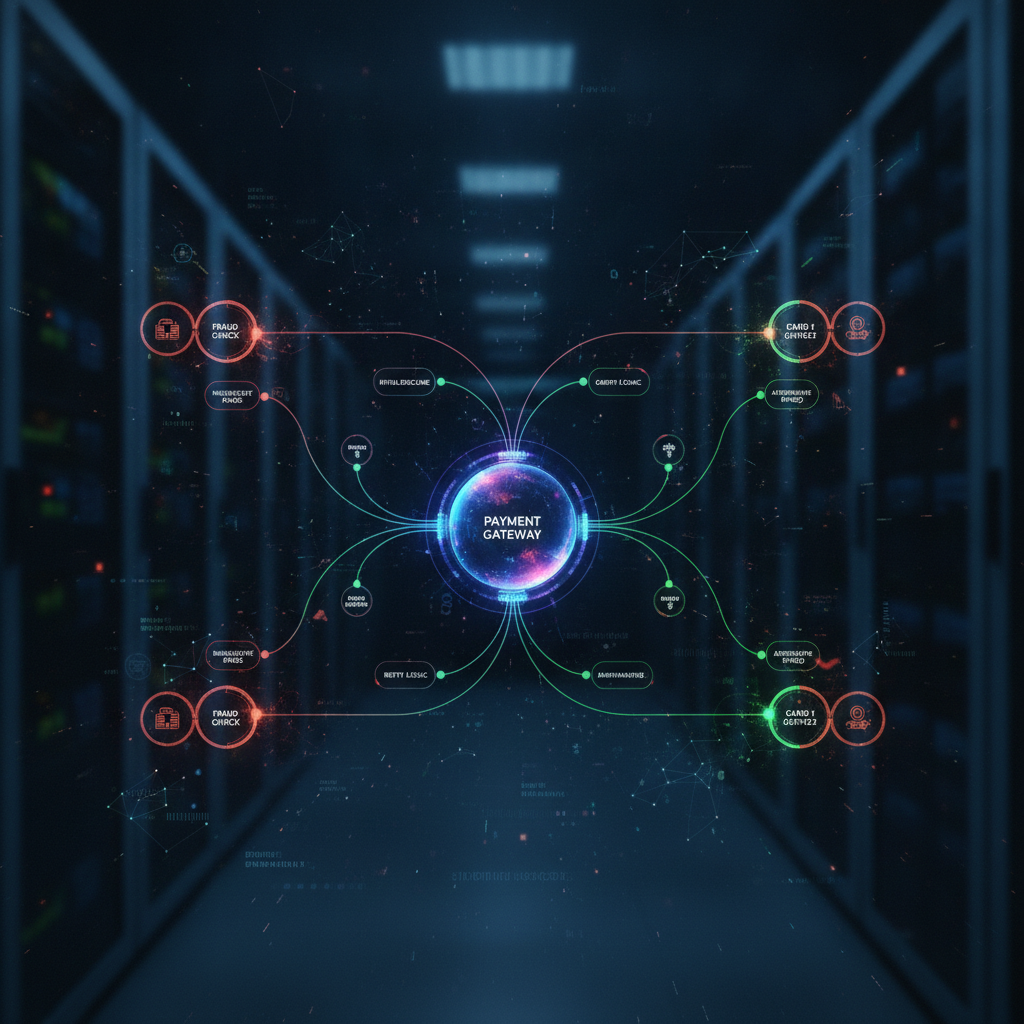
Citcon offers a comprehensive solution for food and beverage brands looking to navigate local payment infrastructures. With a single API, brands can access over 100 payment methods tailored to various markets.
Additionally, Citcon supports Buy Now Pay Later (BNPL) options, enhancing customer flexibility. Our platform is also PCI-DSS Level 1 compliant, ensuring top-notch security for all transactions.
For further insights, check out our posts on Why 30% of Global Brands Struggle with Digital Wallet Integration and Bank Transfers vs Digital Wallets for Luxury E-Commerce Payments.
What payment methods should food and beverage brands consider for international markets?
Food and beverage brands should consider local payment methods that resonate with consumers, such as digital wallets, credit cards, and bank transfers.
How do regulations affect payment processing for food brands?
Regulations can significantly impact payment processing by imposing requirements like strong customer authentication, affecting transaction speed and complexity.
What are the common pitfalls food brands face when expanding internationally?
Common pitfalls include failing to adapt to local payment preferences, not understanding regulatory requirements, and overlooking security concerns.
How can brands enhance the customer payment experience?
Brands can enhance the customer payment experience by offering multiple payment options, ensuring transaction security, and simplifying the checkout process.
What role does currency conversion play in local payment integration?
Currency conversion is crucial as it affects the overall cost for consumers and can influence their decision to complete a purchase.
How can technology aid in local payment integration?
Technology can streamline local payment integration by providing platforms that support multiple payment methods and ensure compliance with local regulations.
Key Takeaways
- 70% of brands struggle with payment integration in new regions.
- 62% identify local payment preferences as a key factor in market entry.
- 25% increase in conversion rates can result from effective payment integration.
- PCI-DSS Level 1 compliance is essential for transaction security.