B2B BNPL Is Outpacing Traditional Payment Terms
WRITTEN BY

Dylan Coombs
Citcon
Commercial Leader
Date
Jul 17, 2026
Subscribe to our interesting updates
SHARE ON

B2B Buy Now Pay Later (BNPL) is increasingly replacing traditional net-30 and net-60 payment terms due to its flexibility and efficiency. In 2025, 48% of B2B transactions were conducted using BNPL solutions, demonstrating a significant shift in payment preferences.
What is B2B BNPL: B2B BNPL is a financing option that allows businesses to purchase goods or services immediately and defer payment over a specified period.
The B2B payments landscape is evolving rapidly, with businesses increasingly seeking alternatives to traditional payment terms. According to a 2025 report by McKinsey, 48% of B2B transactions were conducted using BNPL solutions, showcasing a growing trend towards flexible payment options. Traditional net-30 and net-60 terms have long been the standard, but they can create cash flow challenges for suppliers and buyers alike. As businesses adapt to changing market dynamics, BNPL offers a more efficient way to manage expenses and enhance purchasing power.
Context
B2B BNPL is transforming how companies manage their cash flow and payment processes. This shift is largely driven by the need for flexibility in financial transactions. In 2025, 65% of CFOs reported that they were exploring BNPL solutions to optimize their payment strategies.
- Enhanced liquidity: BNPL allows businesses to retain cash for other investments.
- Improved purchasing power: Companies can buy more inventory without immediate cash outlay.
- Faster transaction times: BNPL solutions streamline the approval process.
- Reduced credit risk: BNPL providers often assume the credit risk.
This context highlights the importance of adapting to changing payment preferences, particularly as businesses seek to mitigate risks associated with traditional payment terms. The flexibility and speed of B2B BNPL solutions can lead to better supplier relationships and increased market competitiveness.
Core Challenge
The core challenge with traditional net-30 and net-60 payment terms is the cash flow strain they impose on suppliers. In a 2025 survey by Deloitte, 72% of suppliers indicated that long payment terms negatively impacted their cash flow management.
Cash flow issues can lead to operational disruptions and hinder a company's ability to invest in growth opportunities. According to the same survey, businesses that rely on traditional payment terms face an average of $200,000 in lost revenue annually due to delayed payments.
Furthermore, suppliers often struggle with the unpredictability of payment timelines, making it difficult to plan for operational expenses. This uncertainty can lead to increased borrowing costs or the need to maintain higher cash reserves, which ultimately hampers business growth.
How to Transition to B2B BNPL
Transitioning to B2B BNPL from traditional payment terms can streamline cash flow and enhance purchasing flexibility. In 2026, 52% of CFOs plan to adopt BNPL solutions as their primary payment method.
To successfully implement BNPL, businesses should consider the following steps:
- Assess current payment processes to identify inefficiencies.
- Research and select a BNPL provider that aligns with business needs.
- Integrate BNPL solutions into existing payment systems.
- Train staff on the benefits and usage of BNPL options.
By following these steps, companies can leverage the advantages of BNPL while minimizing disruption during the transition process.
Deep Dive into BNPL Benefits
B2B BNPL offers several significant benefits over traditional net-30 and net-60 payment terms. In 2025, 60% of businesses reported that BNPL solutions improved their supplier relationships.
These benefits include:
- Flexibility: Businesses can choose payment terms that suit their cash flow needs.
- Speed: BNPL solutions typically provide faster approval and funding times compared to traditional credit.
- Risk mitigation: Suppliers may face less risk as BNPL providers often take on credit evaluation.
- Enhanced reporting: Many BNPL platforms offer robust analytics tools for better financial insights.
These advantages make BNPL an increasingly attractive option for companies looking to optimize their payment strategies and strengthen supplier relationships.
ROI and Business Case for B2B BNPL
The ROI for businesses adopting B2B BNPL is compelling. In 2025, companies that integrated BNPL solutions reported a 30% increase in sales conversions.
Key factors contributing to this ROI include:
- Increased sales volume: The ability to buy now and pay later encourages larger purchases.
- Improved cash flow: Retaining cash for operational needs enhances business agility.
- Better supplier terms: Suppliers may offer discounts for quicker payment options.
These elements illustrate a strong business case for transitioning to BNPL, emphasizing both immediate and long-term financial benefits.
How Citcon Solves This
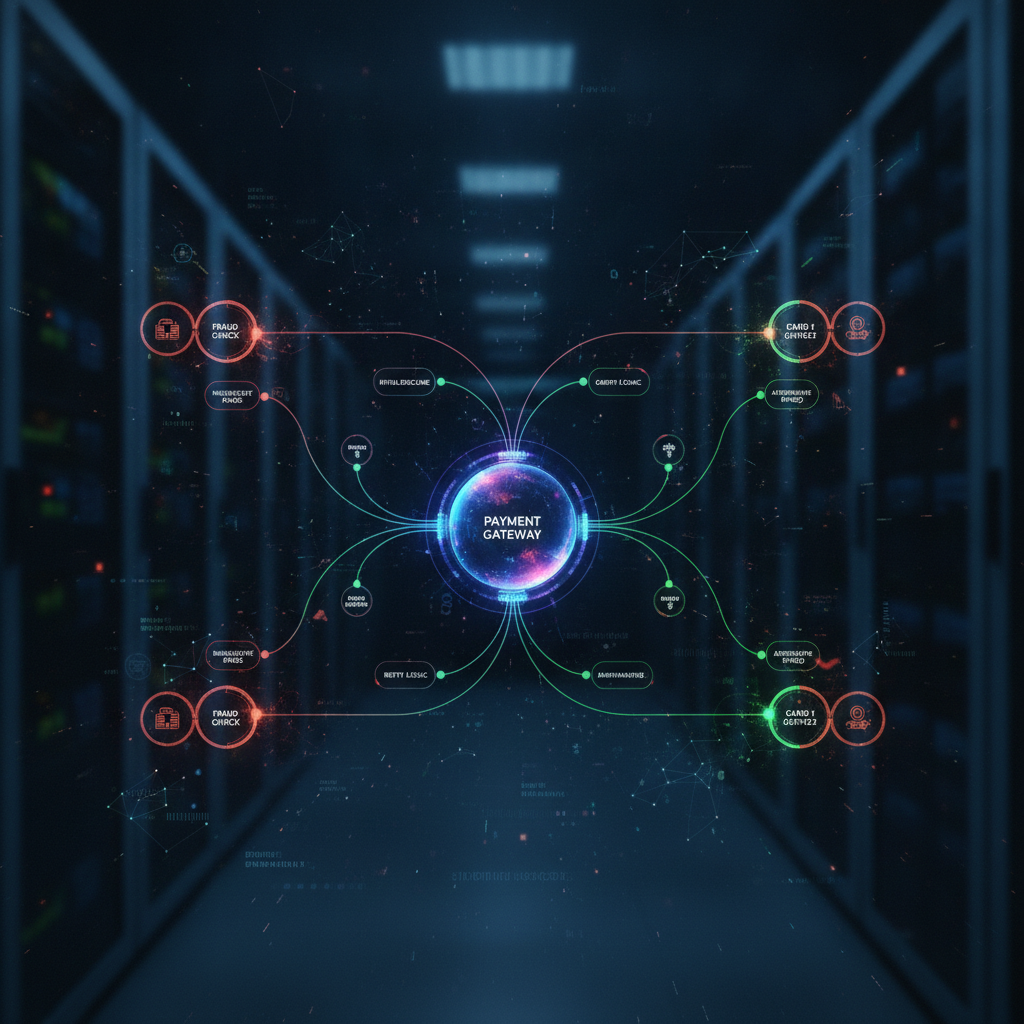
Citcon offers a single API that integrates over 100 payment methods, including BNPL solutions, making it easier for businesses to adopt flexible payment options. Our PCI-DSS L1 compliance ensures that transactions are secure, reducing the risk of fraud.
With Citcon, businesses can streamline their payment processing while leveraging the benefits of BNPL to enhance cash flow management and improve supplier relationships.
Related posts: The CFO Playbook for Increasing Luxury Basket Sizes with BNPL 2026, Payment Integration Pitfalls vs Best Practices for Indie Games 2026.
What are the advantages of B2B BNPL?
The advantages of B2B BNPL include improved cash flow, enhanced purchasing power, and faster transaction times.
How does B2B BNPL work?
B2B BNPL allows businesses to purchase goods immediately and defer payment over a set period, often without interest.
What is the impact of BNPL on supplier relationships?
BNPL can enhance supplier relationships by providing faster payments and reducing credit risk for suppliers.
Are there risks associated with B2B BNPL?
While BNPL offers many benefits, potential risks include over-reliance on credit and possible hidden fees from providers.
How can companies implement BNPL solutions?
Companies can implement BNPL solutions by assessing current payment processes, selecting a provider, and training staff.
What trends are shaping the future of B2B payments?
Key trends include the growing adoption of BNPL, increased digitization of payments, and a focus on financial flexibility.
Key Takeaways
- B2B BNPL is gaining traction: 48% of B2B transactions used BNPL in 2025.
- Cash flow optimization: 72% of suppliers reported cash flow strain from traditional terms.
- Sales increase: Businesses adopting BNPL saw a 30% rise in sales conversions.
- Supplier benefits: 60% of businesses noted improved supplier relationships with BNPL.