Payment Orchestration vs Traditional Payment Processing
WRITTEN BY

Dylan Coombs
Citcon
Commercial Leader
Date
Jul 25, 2026
Subscribe to our interesting updates
SHARE ON

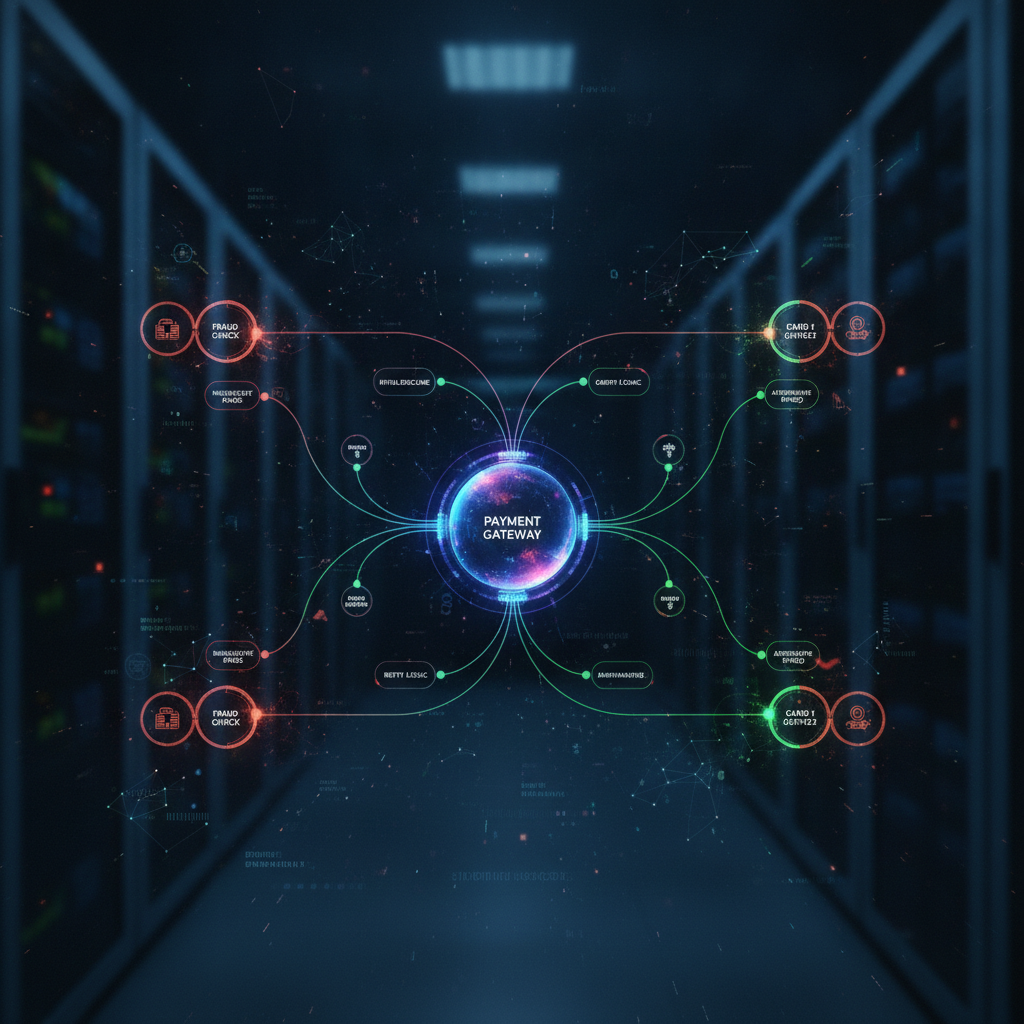
What is payment orchestration: Payment orchestration is the integration of various payment processing services into a single platform to streamline transaction management and reduce costs.
The global payment orchestration market is expected to grow from $2.7 billion in 2025 to $5.3 billion by 2026, indicating a rapid shift towards more efficient payment processing solutions. This growth is driven by enterprises seeking to optimize their payment infrastructure while managing costs effectively. Traditional payment processing often involves multiple vendors and systems, leading to inefficiencies and higher transaction fees.
Enterprises face increasing pressure to reduce transaction costs while improving customer experience. Payment orchestration addresses these challenges by providing a unified platform that simplifies payment management. As businesses expand globally, the complexity of payment processing increases, making orchestration essential for reducing costs and enhancing operational efficiency.
What is the context of payment orchestration?
Payment orchestration is becoming essential for enterprises looking to streamline their payment processes. In a landscape where digital transactions are expected to surpass $10 trillion in 2026, businesses must adopt efficient payment strategies.
Payment orchestration allows enterprises to integrate various payment methods, including credit cards, digital wallets, and alternative payment solutions. This integration not only simplifies the payment process but also enhances the customer experience by providing multiple payment options.
- Enhanced flexibility: Businesses can adapt to changing consumer preferences by offering various payment options.
- Improved efficiency: A single platform reduces the need for multiple vendor relationships, streamlining operations.
- Cost savings: Enterprises can save up to 30% on transaction fees by optimizing payment routing.
- Better data analytics: Unified data from multiple payment channels allows for more informed decision-making.
What is the core challenge of payment processing?
The core challenge many enterprises face is the fragmentation of payment processing. This fragmentation can lead to inefficiencies, higher costs, and a suboptimal customer experience.
Traditional payment processing often requires businesses to engage with multiple payment gateways, each with its own fees and compliance requirements. This not only complicates transaction management but also increases the likelihood of errors and delays.
According to a 2025 study by McKinsey, businesses can lose up to 5% of their revenue due to payment processing inefficiencies. The financial stakes are high, as these inefficiencies can translate into millions of dollars in lost revenue annually.
How to implement payment orchestration?
Implementing payment orchestration involves several key steps that can help enterprises streamline their payment processes effectively.
First, businesses should assess their current payment infrastructure to identify inefficiencies and areas for improvement. Next, selecting a payment orchestration platform that integrates seamlessly with existing systems is crucial.
- Conduct a payment audit to identify existing providers and associated costs.
- Research and select a payment orchestration provider that meets business needs.
- Integrate the chosen platform with existing payment systems.
- Monitor performance metrics to assess the impact of orchestration on transaction costs.
What are the benefits of a deep dive into payment orchestration?
A deep dive into payment orchestration reveals its significant advantages over traditional payment methods. By centralizing payment processing, enterprises can achieve greater operational efficiency.
Payment orchestration enables businesses to implement smart routing, which directs transactions to the most cost-effective payment gateway based on various factors such as transaction size and customer location. This optimization can lead to substantial cost reductions.
- Smart routing: Directing transactions through the lowest-cost gateways can reduce fees by up to 20%.
- Unified reporting: Centralized analytics allow for better decision-making and strategy adjustments.
- Enhanced security: Payment orchestration platforms often come with built-in fraud detection and compliance features.
- Scalability: As businesses grow, orchestration platforms can easily adapt to increasing transaction volumes.
What is the ROI and business case for payment orchestration?
The ROI from implementing payment orchestration can be substantial, with enterprises reporting reductions in transaction costs by as much as 30%. This cost efficiency can significantly improve the bottom line.
Additionally, the ability to offer a seamless payment experience leads to higher conversion rates and increased customer satisfaction, which can further enhance revenue.
- Cost reduction: Businesses can save on transaction fees and operational costs.
- Increased conversion rates: A streamlined payment process can lead to higher sales.
- Enhanced customer satisfaction: Offering multiple payment options improves the overall customer experience.
- Long-term scalability: Orchestration enables businesses to adapt as they grow.
How does Citcon solve payment orchestration challenges?
Citcon offers a robust payment orchestration solution that integrates over 100 payment methods through a single API. This simplifies transaction management and reduces costs for enterprises.
Our platform supports Buy Now, Pay Later (BNPL) options and complies with PCI-DSS Level 1 standards, ensuring secure transactions and regulatory compliance.
For further reading, check out our posts on Micro-Payouts Fueling the Creator Economy Growth and 5 Factors Influencing Merchant Approval Time for Alipay.
What are the most common payment orchestration solutions?
The most common payment orchestration solutions include platforms that integrate multiple payment gateways and provide analytics tools for transaction management.
How does payment orchestration improve customer experience?
Payment orchestration improves customer experience by offering multiple payment options and streamlining the checkout process.
What are the costs associated with payment orchestration?
The costs associated with payment orchestration typically include platform fees, transaction fees, and integration costs, which can be offset by savings in transaction fees.
Can payment orchestration handle international transactions?
Yes, payment orchestration can effectively handle international transactions by integrating various currencies and payment methods.
What is the difference between payment orchestration and payment gateways?
Payment orchestration is a broader solution that integrates multiple payment gateways and methods, while payment gateways are specific services that process transactions.
How does payment orchestration reduce fraud?
Payment orchestration reduces fraud by integrating advanced security measures and fraud detection tools across multiple payment channels.
Key Takeaways
- Payment orchestration can reduce transaction costs by up to 30%.
- The market for payment orchestration is projected to grow to $5.3 billion by 2026.
- Smart routing can save businesses up to 20% on fees.
- Unified reporting enhances decision-making and operational efficiency.
- Citcon offers over 100 payment methods through a single API for seamless integration.