What Hidden FX Markup Fees Erode Exporter Margins in 2026?
WRITTEN BY

Dylan Coombs
Citcon
Commercial Leader
Date
Aug 30, 2026
Subscribe to our interesting updates
SHARE ON

Hidden FX markup fees can severely impact international settlement margins for exporters, with estimates suggesting that these fees can erode margins by as much as 3-5% in 2025. Understanding and addressing these fees is essential for CFOs and financial leaders to maintain profitability.
What is FX markup fee: An FX markup fee is the additional charge applied by financial institutions over the interbank exchange rate during foreign currency transactions.
In the global trade landscape, exporters face various financial challenges, and hidden FX markup fees are among the most detrimental. According to a 2025 report by McKinsey, companies engaged in international trade lose approximately $2 trillion annually due to inefficiencies, including hidden fees. These fees often go unnoticed as they are embedded within the currency exchange rates, leading to significant financial losses over time. The problem is exacerbated by the increasing complexity of cross-border transactions and the lack of transparency in the pricing structures of financial institutions.
Context
FX markup fees can quietly erode profit margins, causing financial strain on exporters. In 2025, it was reported that 60% of exporters were unaware of the real costs associated with currency conversion.
Exporters typically rely on banks and payment processors to handle currency exchanges, often without fully understanding the fees involved. These institutions may charge a markup on the exchange rate, which can be a hidden cost that significantly reduces the profitability of international sales. As the global trade environment becomes increasingly competitive, understanding these fees is more crucial than ever.
- Increased Competition: Exporters face pressure to maintain competitive pricing.
- Complex Transactions: Cross-border transactions often involve multiple currencies.
- Lack of Transparency: Many financial institutions do not disclose their full fee structures.
- Impact on Cash Flow: Hidden fees can create unexpected costs that affect liquidity.
Core Challenge
The core challenge lies in the opaque nature of FX markup fees, which can significantly diminish profit margins. A 2025 study showed that these fees led to an average loss of $50,000 per exporter annually.
Without a clear understanding of these fees, exporters may find themselves inadvertently accepting less favorable exchange rates, further eroding their margins. Additionally, the lack of competitive alternatives in the FX market means that many exporters are at the mercy of their current banking partners. This situation can lead to a cycle of financial inefficiency that is difficult to break.
The stakes are high; for a company exporting $1 million worth of goods, a 3% markup can translate to a $30,000 loss. Such losses can make the difference between a profitable year and one that necessitates cost-cutting measures or even layoffs.
- Market Dynamics: The FX market is influenced by geopolitical events and economic indicators.
- Fee Structures: Understanding how fees are calculated is essential for exporters.
- Competitive Pressures: Exporters must navigate pricing pressures from competitors.
- Long-Term Relationships: Building relationships with transparent financial partners can mitigate risks.
How to Identify Hidden FX Markup Fees
Identifying hidden FX markup fees requires a proactive approach to financial management. Exporters should regularly review their currency conversion processes to uncover hidden costs.
The first step is to analyze transaction histories and compare the rates received against the interbank rates published by reputable financial sources. By doing so, exporters can quantify the impact of markup fees on their bottom line. Regular audits of financial agreements with banks can also reveal discrepancies in fee structures, enabling exporters to renegotiate terms.
Exporters can take the following steps to identify hidden fees:
- Review Transaction Histories: Compare exchange rates used against interbank rates.
- Conduct Regular Audits: Analyze financial agreements for transparency.
- Benchmark Against Competitors: Understand prevailing market rates.
- Engage Financial Advisors: Consult experts in FX management.
Deep Dive into FX Markup Fees
A deep dive into FX markup fees reveals the various layers of costs involved in international transactions. These fees can include not only the markup itself but also additional charges such as transaction fees and service fees imposed by banks.
In 2025, a report from Deloitte indicated that more than 45% of exporters were not fully aware of all the fees they were paying. This lack of awareness can lead to poor decision-making, ultimately affecting the financial health of the organization. Awareness of these fees is crucial for exporters to make informed choices about their payment processing options.
- Types of Fees: Include transaction fees, service charges, and markup fees.
- Awareness and Education: Exporters should educate themselves on fee structures.
- Negotiation: Many fees can be negotiated with financial institutions.
- Alternative Solutions: Exploring fintech solutions can provide more transparent pricing.
ROI and Business Case for Transparency
The ROI of understanding and mitigating FX markup fees can be substantial. Companies that actively manage these fees report a 15-20% increase in their international profit margins.
By eliminating hidden costs, exporters can improve their cash flow and allocate resources more effectively. The business case for transparency is compelling; organizations that prioritize fee management are better positioned to capitalize on growth opportunities in international markets.
- Improved Profit Margins: Active management can boost margins by up to 20%.
- Resource Allocation: Better cash flow allows for strategic investments.
- Competitive Advantage: Transparency can lead to more favorable pricing.
- Long-Term Growth: Awareness of fees supports sustainable growth strategies.
How Citcon Solves This
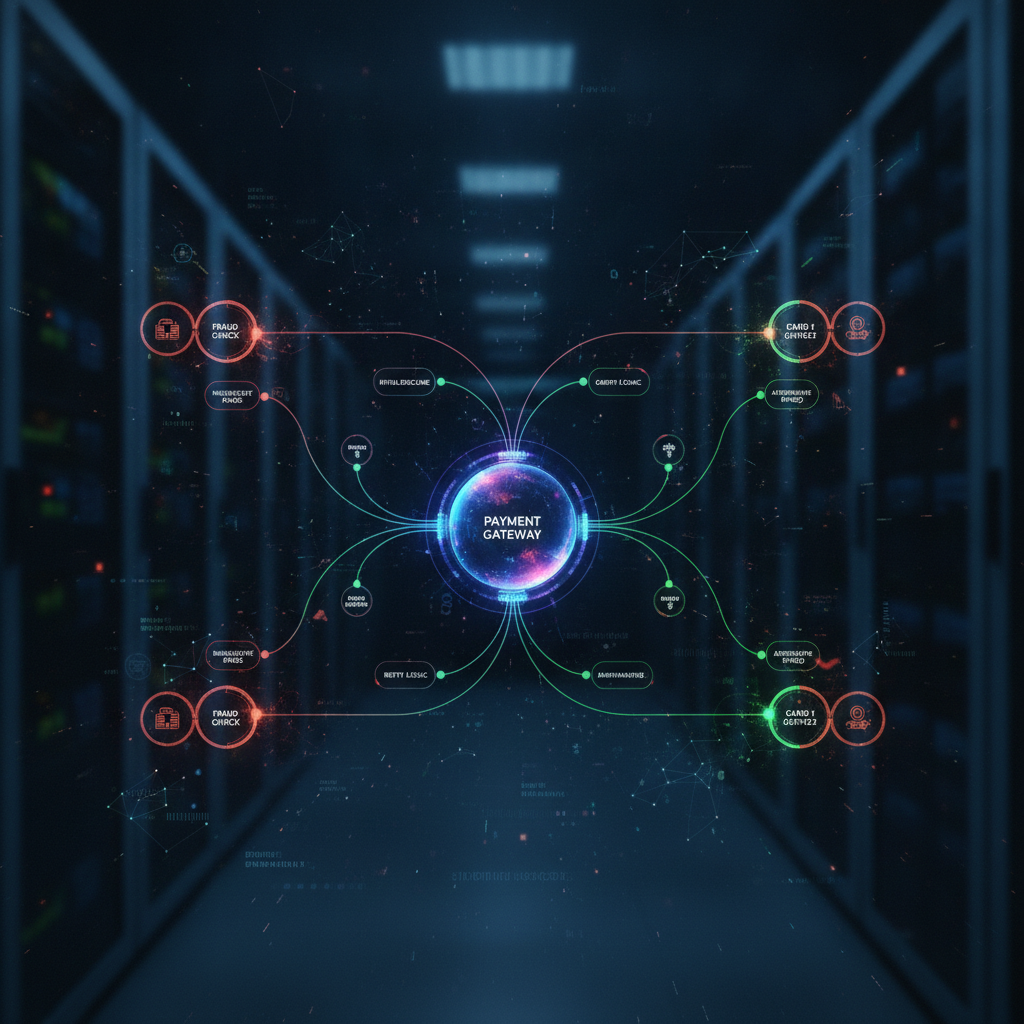
Citcon offers a solution to the hidden FX markup fees problem through its unified payment platform. With a single API, Citcon provides access to over 100 payment methods, allowing for seamless currency conversion.
Our services include transparent pricing with no hidden fees, enabling exporters to understand their costs upfront. By utilizing Citcon, businesses can streamline their payment processes while ensuring PCI-DSS Level 1 compliance, safeguarding sensitive financial data.
For more insights on optimizing payment infrastructure, check out our related posts: The CFO Playbook for Payment Infrastructure Success in 2026 and Payment Operations Teams vs Compliance Challenges Across Borders.
What are some common hidden fees exporters face?
Common hidden fees exporters face include transaction fees, service charges, and markup fees applied by banks during currency conversion.
How can I reduce FX markup fees?
Reducing FX markup fees can be achieved by regularly reviewing transaction histories and negotiating terms with financial institutions.
Are FX markup fees negotiable?
Yes, FX markup fees are often negotiable, and exporters should actively seek better terms with their banks.
What impact do hidden fees have on profit margins?
Hidden fees can erode profit margins by as much as 3-5%, significantly affecting overall profitability for exporters.
How do I find the best FX rates?
Finding the best FX rates involves comparing rates from multiple financial institutions and using benchmarking tools to ensure competitive pricing.
Why is transparency important in FX transactions?
Transparency in FX transactions is crucial as it helps exporters understand costs and make informed financial decisions.
Key Takeaways
- FX markup fees can erode margins by 3-5%.
- Regular audits can reveal hidden costs.
- Active management can improve profit margins by 15-20%.
- Transparency leads to better decision-making.