What Should Merchants Know About QR Code Payment Acceptance?
WRITTEN BY

Dylan Coombs
Citcon
Commercial Leader
Date
Aug 15, 2026
Subscribe to our interesting updates
SHARE ON

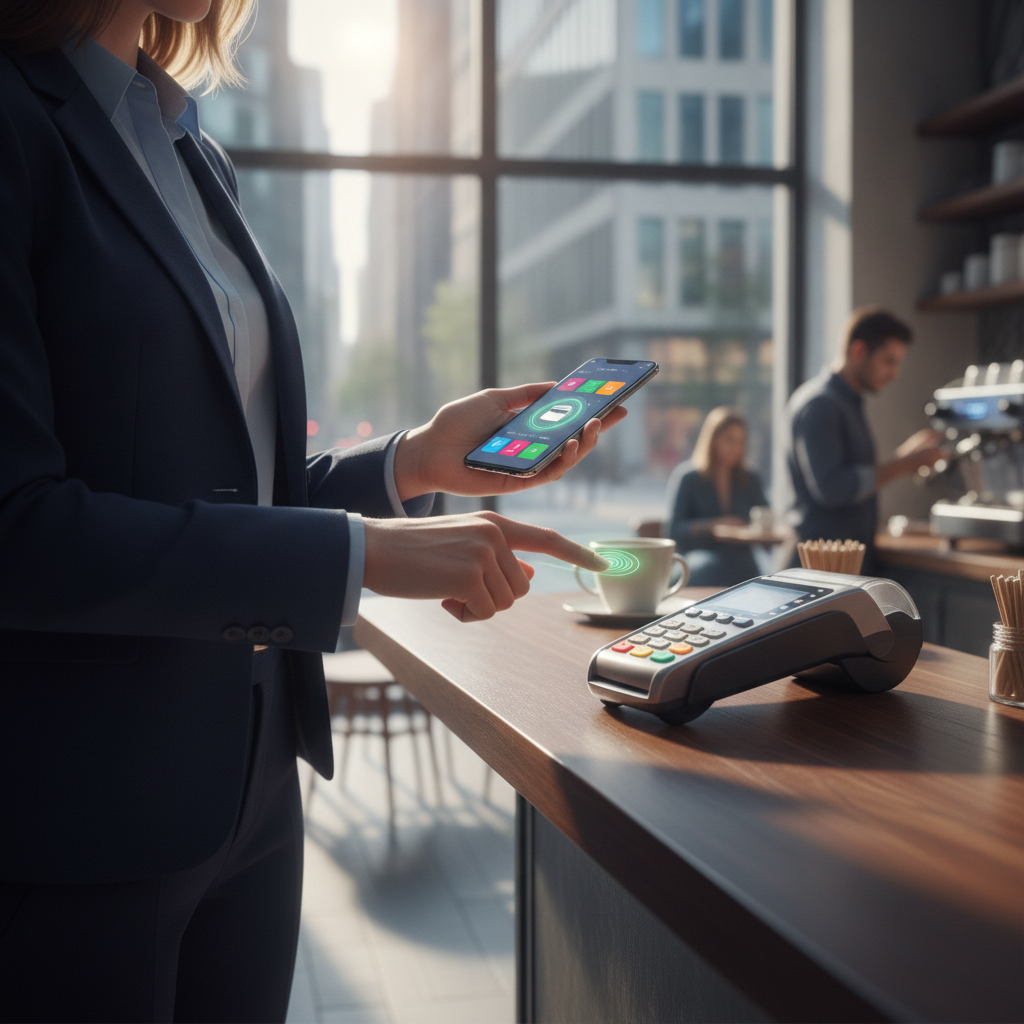
QR code payment acceptance enables merchants to process transactions efficiently, particularly in markets where digital wallets are prevalent. According to a 2025 report by Statista, QR code payments are projected to reach $3 trillion globally by 2026.
What is QR code payment acceptance: QR code payment acceptance is a method that allows customers to make payments by scanning a QR code using their mobile devices.
The global payments landscape is rapidly evolving, and QR code payments have emerged as a leading method for merchants to accept payments, especially outside their home markets. In 2025, it was estimated that about 40% of all digital transactions in the Asia-Pacific region were conducted through QR codes, highlighting their importance in facilitating cross-border transactions.
However, many merchants still face challenges in implementing this technology effectively. The main issues include understanding local regulations, integrating with existing payment systems, and ensuring a seamless customer experience. As digital wallets become the preferred payment method in various regions, merchants must adapt to stay competitive.
Context
QR code payment acceptance is essential for merchants looking to engage with international customers. These codes allow for quick transactions without the need for card swipes or physical contact. In 2025, research by McKinsey indicated that 60% of consumers in Asia preferred QR code payments for their convenience.
- Efficiency: QR codes streamline the payment process, reducing wait times at checkout.
- Cost-effective: Lower transaction fees compared to traditional card processing.
- Accessibility: Works on any smartphone with a camera, broadening customer reach.
- Security: Offers secure transactions with encryption, reducing fraud risk.
Core Challenge
The primary challenge for merchants outside their home markets is understanding and navigating the various QR code payment systems available. A 2026 report by Deloitte revealed that 75% of merchants found it challenging to adapt to different QR code systems in foreign markets.
This challenge can result in lost revenue opportunities and customer dissatisfaction. Merchants who fail to implement effective QR code payment systems may miss out on up to 30% of potential sales in markets where consumers prefer this payment method.
Additionally, merchants must consider the costs associated with integrating these systems into their existing payment infrastructure. A lack of understanding can lead to delays and increased expenses, ultimately affecting the bottom line.
How to Implement QR Code Payment Acceptance
To successfully implement QR code payment acceptance, merchants need to follow a structured approach. First, they should conduct market research to identify the preferred QR code systems in their target regions. This research should include understanding local consumer behavior, regulatory requirements, and competitive analysis.
Next, merchants must integrate the chosen QR code payment system into their checkout process. This may involve updating point-of-sale systems or e-commerce platforms to support QR code scanning.
Finally, educate both staff and customers about the new payment method to ensure a smooth transition. Steps to implement QR code payment acceptance include:
- Conducting market research to identify local preferences.
- Selecting a QR code payment provider that meets local requirements.
- Integrating the payment system into existing platforms.
- Training staff on how to assist customers with QR code payments.
- Launching marketing campaigns to inform customers about the new payment option.
Deep Dive into QR Code Payment Mechanism
QR code payment acceptance works through a straightforward mechanism. When a customer scans a merchant’s QR code, their mobile wallet app generates a payment request that is sent to the merchant’s payment processor. In 2025, it was reported that 85% of transactions via QR code were completed within seconds, showcasing the speed of this method.
The payment processor verifies the transaction and sends confirmation back to the customer’s app, completing the payment process. This efficiency not only enhances the customer experience but also reduces the likelihood of transaction errors.
Moreover, QR codes can be customized for different promotions, allowing merchants to engage customers with tailored offers. Merchants can track payment data through their payment processor, enabling them to analyze consumer behavior and optimize marketing strategies.
- Speed: Transactions are quick and efficient.
- Customization: Merchants can create unique QR codes for different offers.
- Data Insights: Payment processors provide analytics on consumer spending behavior.
- Scalability: Easily scalable for businesses of all sizes.
ROI and Business Case for QR Code Payments
Investing in QR code payment acceptance can yield significant returns for merchants. According to a 2026 study by Accenture, businesses adopting QR code payments saw a 25% increase in customer retention and a 15% boost in transaction volume.
Additionally, the reduced transaction fees associated with QR code payments can lead to lower operating costs for merchants. By embracing this technology, merchants can not only enhance customer satisfaction but also improve their overall profitability.
- Increased Sales: QR code payments can lead to higher transaction volumes.
- Lower Fees: Reduced processing fees compared to traditional methods.
- Enhanced Customer Experience: Faster checkout leads to happier customers.
- Improved Analytics: Better insights into consumer behavior and preferences.
How Citcon Solves This
Citcon offers a robust solution for merchants looking to implement QR code payment acceptance. With a single API, merchants can access over 100 payment methods, including popular digital wallets in various markets.
Additionally, Citcon supports Buy Now Pay Later (BNPL) options, enhancing the flexibility of payment choices for customers. Our compliance with PCI-DSS Level 1 ensures that all transactions are secure, providing peace of mind for both merchants and consumers.
For further insights, consider reading our related posts: What Duty-Free Retail Revenue is Lost Due to Preferred Wallets in 2026? and Why 70% of Businesses Choose Instant Cross-Border Payouts.
What are the benefits of QR code payments for merchants?
QR code payments offer numerous benefits, including lower transaction fees and faster checkout processes.
How secure are QR code payments?
QR code payments are highly secure, utilizing encryption and tokenization to protect transaction data.
What challenges do merchants face with QR code payments?
Merchants often struggle with integrating QR code systems and understanding local regulations.
How can merchants educate customers about QR code payments?
Merchants can educate customers through marketing campaigns and in-store signage explaining how to use QR codes for payments.
What types of businesses benefit most from QR code payments?
Retailers, restaurants, and e-commerce businesses are among the types of businesses that benefit most from QR code payments.
How do QR code payments compare to traditional payment methods?
QR code payments are generally faster and more cost-effective than traditional card payment methods.
Key Takeaways
- QR code payments are projected to reach $3 trillion globally by 2026.
- 60% of consumers in Asia prefer QR code payments for convenience.
- Implementing QR code payments can increase sales by 25%.
- Citcon offers access to over 100 payment methods through a single API.
- QR code payments provide enhanced security through encryption and tokenization.