Why 40% of Businesses Misunderstand Payment Gateways and Processors
WRITTEN BY

Dylan Coombs
Citcon
Commercial Leader
Date
Nov 4, 2026
Subscribe to our interesting updates
SHARE ON
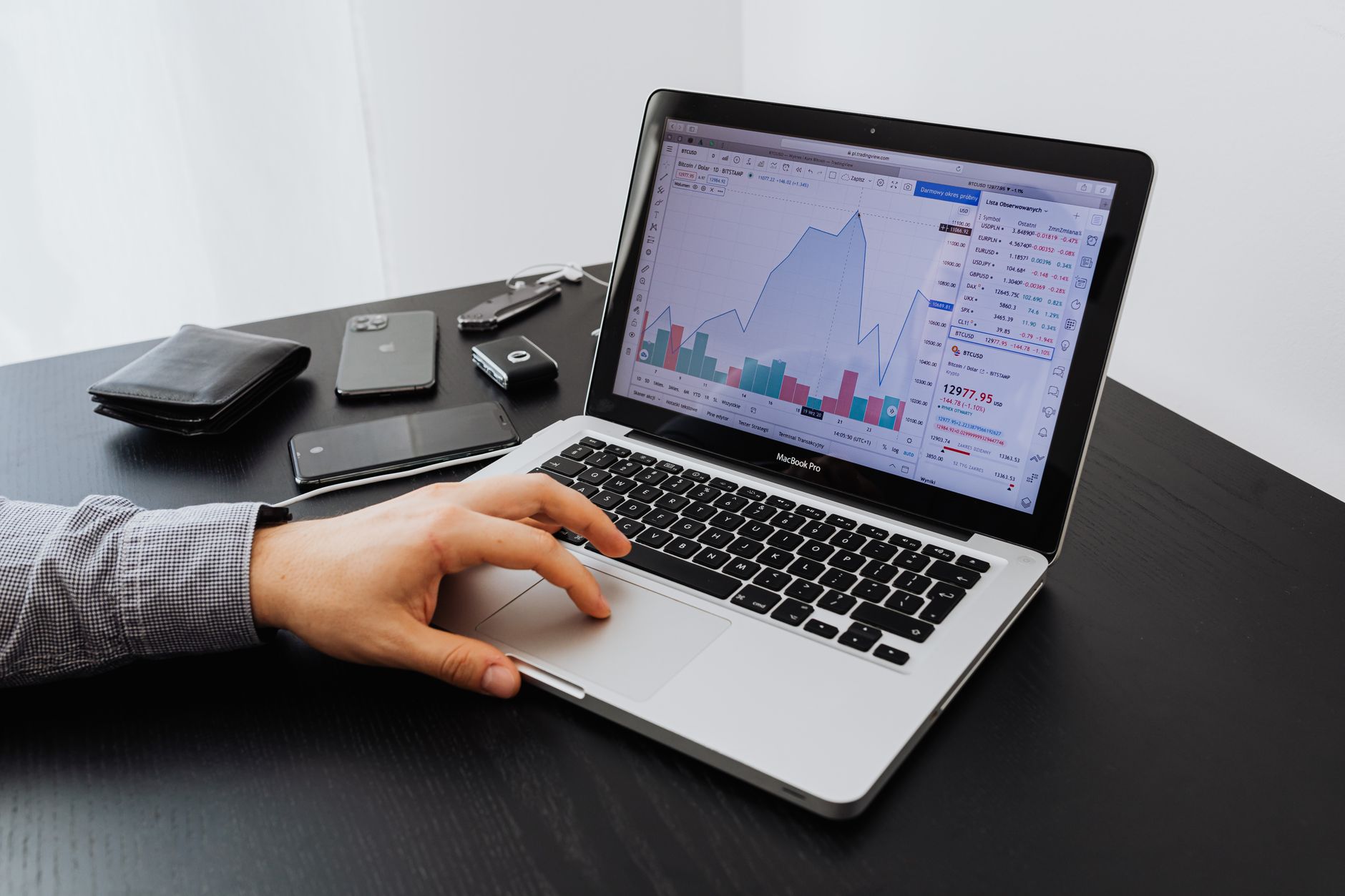
A payment gateway and a payment processor serve distinct yet complementary roles in the transaction ecosystem. According to a 2025 study by Statista, 40% of businesses struggle to differentiate between these two critical components, leading to inefficiencies and increased costs.
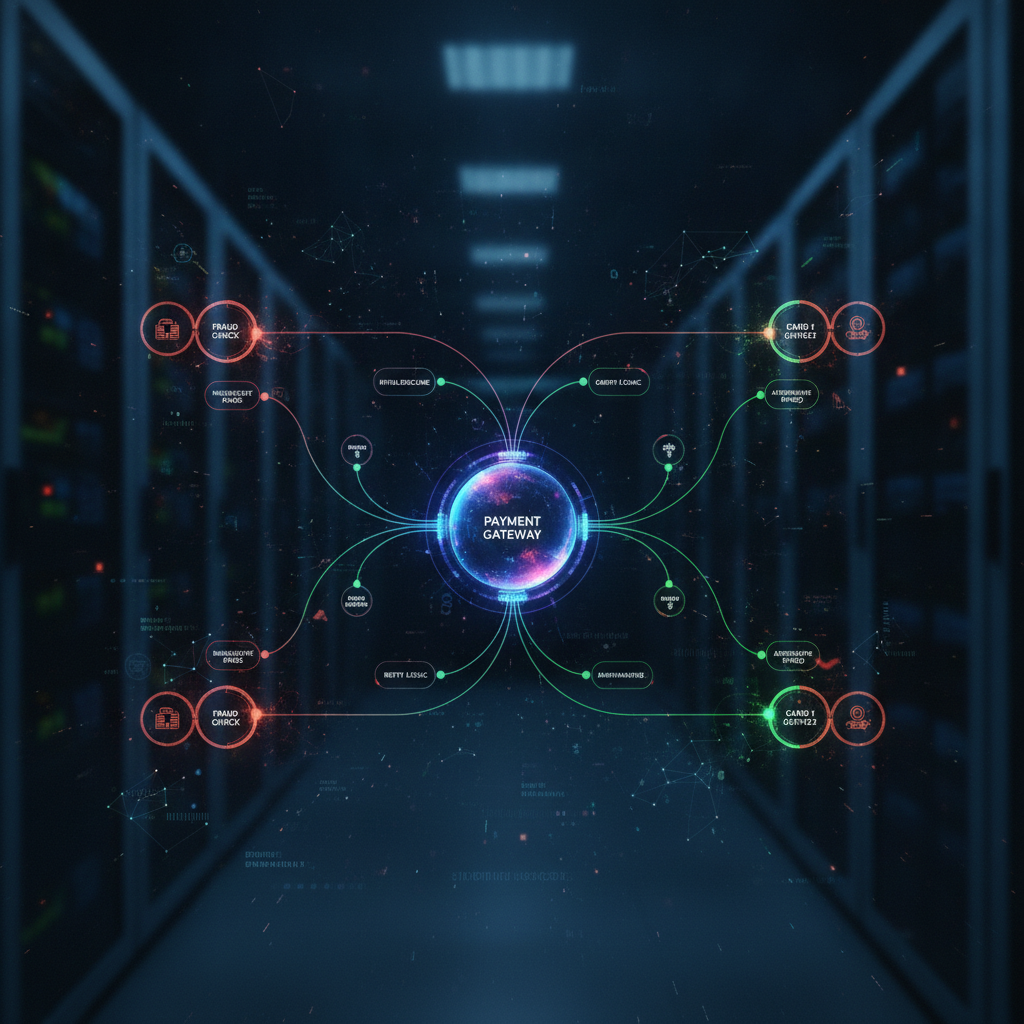
What is a payment gateway: A payment gateway is a technology that securely transmits payment information from a customer to the payment processor.
The payments landscape is evolving rapidly, with digital transactions expected to reach $10 trillion globally by 2026, as reported by McKinsey. With such growth, businesses are increasingly reliant on efficient payment infrastructure. However, many companies fail to recognize the differences between a payment gateway and a payment processor, which can result in lost revenue and customer dissatisfaction.
Understanding these differences not only helps in choosing the right technology but also aligns payment strategies with business goals. For instance, a misalignment in payment solutions can lead to transaction failures and a poor customer experience, which could cost businesses up to 2-3% of their total sales (Forrester, 2025). In this blog, we will explore the nuances between payment gateways and processors, why the distinction matters, and how to leverage this knowledge for better business outcomes.
What is the Context of Payment Gateways and Processors?
The context of payment gateways and processors is essential for any business that conducts transactions. A payment gateway acts as the intermediary between the customer and the merchant's bank, while the payment processor handles the transaction itself.
As e-commerce continues to proliferate, understanding these roles becomes increasingly vital. According to a 2025 report by eMarketer, over 80% of consumers prefer online shopping, making payment gateways and processors a key consideration for retailers.
- Security: Payment gateways encrypt sensitive data, ensuring secure transactions.
- Efficiency: Payment processors manage the transaction flow, reducing time delays.
- Integration: Many payment gateways can easily integrate with existing e-commerce platforms.
- Cost: Understanding the fee structures of both can optimize operational costs.
- Customer Experience: A smooth payment process enhances customer satisfaction and retention.
What is the Core Challenge of Misunderstanding Payment Solutions?
The core challenge lies in the misconception that payment gateways and processors are interchangeable. This misunderstanding can lead to significant financial implications.
Research from Deloitte in 2025 indicates that businesses that do not differentiate between these two can incur additional transaction fees, potentially costing them up to $100,000 annually based on transaction volume.
Moreover, failing to select the right payment solution can create bottlenecks in payment processing, resulting in abandoned carts and lost sales. A 2025 survey by Baymard Institute found that 70% of online shoppers abandon their carts due to complicated payment processes, which emphasizes the need for clarity in payment infrastructure.
How to Choose the Right Payment Gateway and Processor?
Choosing the right payment gateway and processor involves understanding your business needs and customer preferences. A thorough evaluation can lead to better financial outcomes.
Start by assessing the transaction volume and types of payments your business will handle. According to a 2025 report by Gartner, businesses that analyze their payment needs can reduce transaction costs by up to 30%.
- Evaluate Requirements: Determine what features are essential, such as multi-currency support or fraud detection.
- Compare Fees: Analyze the fee structures of various gateways and processors.
- Test Integration: Ensure compatibility with your existing systems.
- Seek Reviews: Look for testimonials and case studies from similar businesses.
What is the Deep Dive into Payment Gateways and Processors?
A deep dive reveals that payment gateways and processors, while interconnected, serve distinct functions that can significantly impact your bottom line.
Payment gateways focus on security and user experience, while payment processors handle the actual transaction. Understanding these roles can help businesses optimize their payment infrastructure.
According to Forrester, businesses that effectively utilize both can experience a 15% increase in transaction success rates, positively influencing customer retention and overall profitability.
- Encryption: Gateways protect sensitive data through encryption.
- Authorization: Processors handle authorization requests to banks.
- Settlement: Gateways facilitate the transfer of funds post-transaction.
- Reporting: Processors provide detailed transaction reports for analysis.
What is the ROI and Business Case for Understanding These Differences?
Understanding the differences between payment gateways and processors can yield substantial ROI. Companies that optimize their payment strategies can increase revenue and reduce operational costs.
According to a 2025 study by Accenture, businesses that invest in the right payment infrastructure can see a 20% increase in sales conversion rates.
- Cost Savings: Optimizing payment solutions can save businesses thousands in transaction fees.
- Enhanced Security: Better security leads to fewer chargebacks and fraud losses.
- Improved Customer Experience: Streamlined payment processes enhance customer satisfaction.
- Scalability: The right solutions can grow with your business needs.
How Citcon Solves This for Businesses?
Citcon offers a comprehensive solution with a single API that integrates over 100 payment methods, allowing businesses to streamline their payment processes. This approach simplifies the distinction between payment gateways and processors.
By partnering with Citcon, businesses gain access to Buy Now Pay Later (BNPL) options, enhancing customer flexibility. Additionally, Citcon complies with PCI-DSS Level 1 security standards, ensuring secure transactions and protecting sensitive customer data.
For further reading, check out our posts on Why 30% of Merchants Avoid BNPL Risk in 2026 and What is 3D Secure Authentication and Why Does It Matter?.
What is the main difference between a payment gateway and a payment processor?
The main difference is that a payment gateway transmits payment information, while a payment processor handles the transaction itself.
Why is it important to differentiate between a payment gateway and a payment processor?
Differentiating between them is crucial for optimizing payment strategies, reducing costs, and enhancing customer experience.
How can a business choose the right payment gateway?
A business can choose the right payment gateway by evaluating its transaction needs, comparing fees, and ensuring integration with existing systems.
What are the common costs associated with payment gateways and processors?
Common costs include transaction fees, monthly service fees, and chargeback fees, which can significantly impact profitability.
What security measures should a payment gateway have?
A payment gateway should have encryption, tokenization, and fraud detection measures to protect sensitive data.
How does choosing the right payment processor affect sales?
Choosing the right payment processor can lead to higher transaction success rates and lower cart abandonment, ultimately increasing sales.
Key Takeaways
- Understanding the difference: Recognizing the roles of payment gateways and processors can prevent costly mistakes.
- Cost implications: Businesses can save up to 30% in transaction fees by choosing the right solutions.
- Security is paramount: Ensuring robust security measures is essential for customer trust.
- Customer experience matters: Streamlined payment processes enhance satisfaction and retention.
- Invest wisely: The right payment infrastructure can yield a 20% increase in sales conversion rates.