Credit Cards vs Digital Wallets for South Korean Gaming Payments
WRITTEN BY

Dylan Coombs
Citcon
Commercial Leader
Date
Oct 16, 2026
Subscribe to our interesting updates
SHARE ON

Gaming companies entering the South Korean market need to establish a payment infrastructure that can handle local preferences effectively. In 2026, the digital payment market in South Korea is expected to reach $100 billion, making it essential for gaming companies to adapt to these trends.
What is payment infrastructure: Payment infrastructure refers to the systems and processes that enable electronic transactions between consumers and merchants.
The South Korean gaming market is one of the largest in the world, with a projected revenue of approximately $13.5 billion by 2026, according to Statista. This growth is primarily driven by mobile gaming, which accounts for over 60% of total revenue. However, entering this lucrative market presents unique challenges, especially concerning payment systems. The increasing number of payment methods available, coupled with stringent regulatory requirements, means that gaming companies must carefully consider their payment infrastructure to ensure seamless transactions and compliance.
Context
Understanding the South Korean payment landscape is crucial for gaming companies. The market is characterized by a diverse range of payment options, with digital wallets gaining significant traction.
As of 2025, digital wallets account for nearly 40% of all online transactions in South Korea, according to a report by the Bank of Korea. This trend is driven by the convenience and security offered by these platforms. Additionally, mobile payment adoption is higher in South Korea than in many other countries, making it essential for gaming companies to integrate local payment methods into their infrastructure.
- Local preferences: Understanding regional payment preferences is key.
- Regulatory compliance: Navigating local laws and regulations is critical.
- Market competition: Competing with established local players requires a robust payment strategy.
- Security concerns: Ensuring secure transactions is paramount.
- Consumer behavior: Adapting to the local consumer behavior can enhance user experience.
Core Challenge
One of the core challenges gaming companies face when entering South Korea is the complexity of the payment ecosystem.
With multiple payment methods available, including credit cards, bank transfers, and digital wallets, companies must decide which options to offer. According to a 2025 report by PwC, 70% of consumers in South Korea prefer using digital wallets over traditional payment methods. This presents a risk for companies that do not adopt these technologies, as they may lose potential customers to competitors who do.
Moreover, regulatory compliance adds another layer of complexity. The Financial Services Commission of South Korea has stringent requirements for payment service providers, including anti-money laundering regulations. Failure to comply could result in hefty fines and damage to a company’s reputation.
- High stakes: Non-compliance can lead to fines up to 2% of revenue.
- Competitive pressure: Companies risk losing market share to local competitors.
- Consumer expectations: Players expect seamless payment experiences.
- Technological investment: Significant investment may be required to integrate local payment methods.
How to Build a Robust Payment Infrastructure
Building a robust payment infrastructure for the South Korean market involves several critical steps.
First, companies should conduct thorough market research to understand local payment preferences. This involves analyzing which payment methods are most popular among South Korean consumers, such as KakaoPay and Naver Pay. Second, integrating multiple payment options is crucial to cater to diverse consumer preferences. Finally, ensuring compliance with local regulations should be a top priority to avoid penalties.
- Conduct market research on local payment preferences.
- Integrate multiple payment options, including digital wallets and credit cards.
- Ensure compliance with local regulations and standards.
- Implement robust security measures to protect consumer data.
Deep Dive into Local Payment Methods
South Korea offers several local payment methods that gaming companies should consider integrating into their platforms.
KakaoPay, for instance, is one of the most widely used digital wallets, boasting over 36 million users by 2025. Similarly, Naver Pay has gained traction, particularly among younger consumers. Credit cards also remain popular, but they are increasingly complemented by mobile payment options.
Understanding the nuances of these payment methods is essential for optimizing transaction success rates. Companies should also be aware of the fees associated with each payment method, as they can vary significantly.
- KakaoPay: Over 36 million users in 2025.
- Naver Pay: Popular among younger demographics.
- Credit cards: Still widely used but declining in percentage share.
- Bank transfers: Common for larger transactions.
ROI and Business Case for Local Payment Integration
Integrating local payment methods can significantly enhance a gaming company’s ROI.
According to a 2026 report by McKinsey, companies that successfully integrate local payment options see an increase in transaction success rates by up to 30%. This increase translates directly into higher revenues and improved customer satisfaction.
- Increased transaction success: Up to 30% increase with local integrations.
- Higher customer retention: Improved user experience leads to loyalty.
- Competitive advantage: Local integrations set companies apart from competitors.
- Revenue growth: Enhanced payment options can drive sales.
How Citcon Solves This
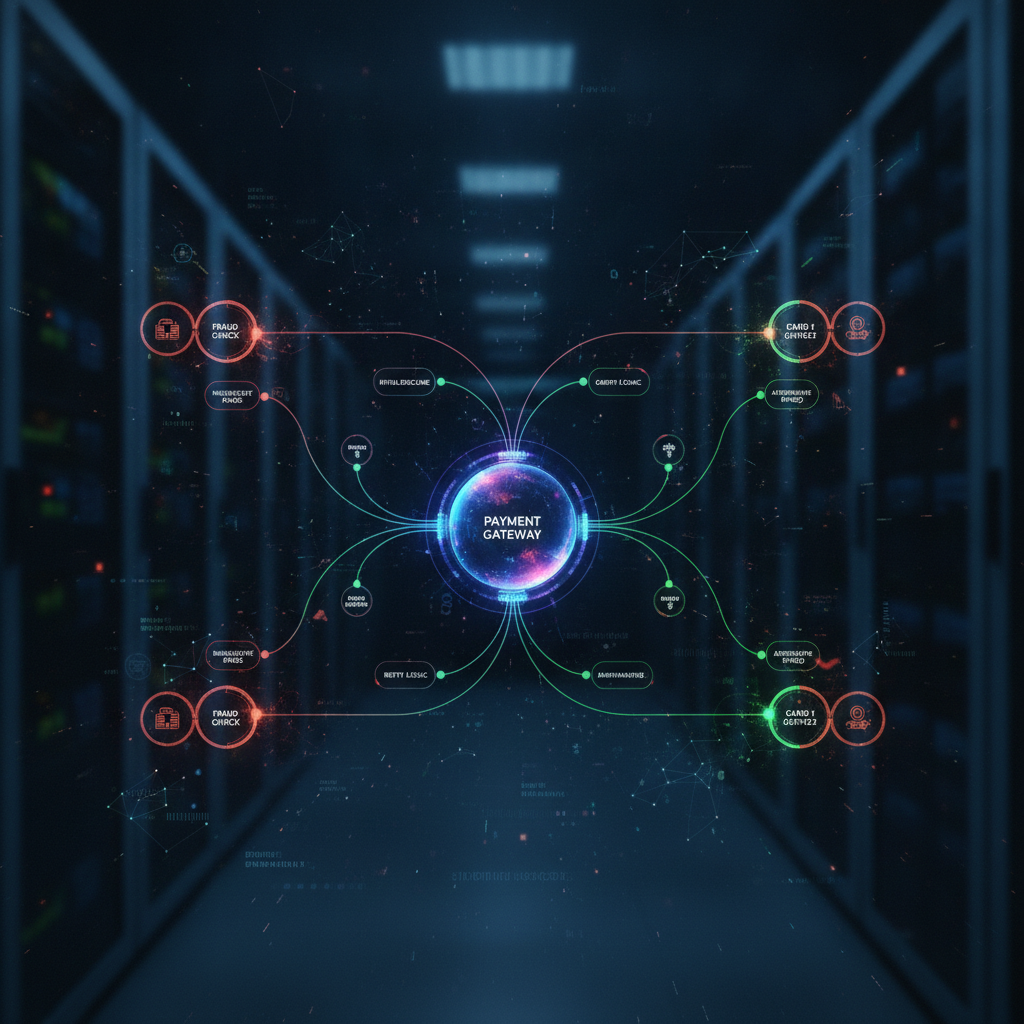
Citcon provides a single API that simplifies the integration of over 100 payment methods, making it easier for gaming companies to enter the South Korean market.
With our support for Buy Now, Pay Later (BNPL) options and compliance with PCI-DSS Level 1 standards, Citcon ensures that your payment infrastructure is secure, efficient, and tailored to local needs.
For further insights into payment strategies, check out our related posts on Indirect Taxes Impacting Software Subscription Sales and 6 Digital Payment Methods Dominating E-Commerce in South Korea.
What are the top payment methods in South Korea?
The top payment methods in South Korea include digital wallets like KakaoPay and Naver Pay, as well as credit cards.
How important is mobile payment in South Korea?
Mobile payment is extremely important in South Korea, accounting for nearly 40% of all online transactions in 2025.
What challenges do gaming companies face in South Korea?
Gaming companies face challenges such as regulatory compliance, payment method diversity, and high consumer expectations.
What is the role of digital wallets in the gaming industry?
Digital wallets play a crucial role in the gaming industry by providing secure and convenient payment options for consumers.
How does Citcon support payment integration?
Citcon supports payment integration by offering a single API that connects to over 100 payment methods.
What are the compliance requirements for payment providers in South Korea?
Payment providers in South Korea must comply with regulations set by the Financial Services Commission, including anti-money laundering laws.
What impact do local payment methods have on consumer behavior?
Local payment methods significantly impact consumer behavior, as they enhance the user experience and increase transaction success rates.
Key Takeaways
- Understanding local payment preferences is key to entering the South Korean market.
- Digital wallets account for nearly 40% of all online transactions in South Korea.
- Companies integrating local payment methods can see transaction success rates increase by up to 30%.
- Regulatory compliance is essential to avoid fines and penalties.
- Citcon offers a single API for over 100 payment methods, simplifying the integration process.