Why 30% of Enterprises Choose BNPL for High-Value Procurement
WRITTEN BY

Dylan Coombs
Citcon
Commercial Leader
Date
Jul 27, 2026
Subscribe to our interesting updates
SHARE ON

B2B Buy Now, Pay Later (BNPL) enables enterprises to finance high-value purchases, enhancing cash flow and procurement efficiency. In 2026, 30% of enterprises are expected to adopt BNPL solutions for procurement, according to a report by MarketWatch.
What is B2B BNPL: B2B BNPL is a financing solution that allows businesses to purchase goods or services and defer payment over time, often interest-free.
The global B2B BNPL market is projected to grow significantly, reaching $1 trillion by 2026, driven by increasing demand for flexible payment options and the rise of e-commerce. High-value enterprise procurement often involves substantial upfront costs that can strain cash flow, making BNPL an attractive solution. As CFOs and procurement leaders seek to optimize budget allocations and improve liquidity, BNPL offers a compelling alternative to traditional financing methods.
Context
B2B BNPL is becoming a standard practice for high-value enterprise procurement, driven by the needs for flexibility and cash management. In 2025, 35% of CFOs indicated that their companies were exploring BNPL options to manage procurement costs.
- Cash Flow Management: BNPL allows enterprises to retain cash for other investments.
- Improved Supplier Relationships: Prompt payments can strengthen partnerships.
- Operational Efficiency: Streamlined procurement processes reduce administrative burdens.
- Competitive Advantage: Companies utilizing BNPL can respond quickly to market opportunities.
Implementing BNPL in procurement strategies not only aids in financial management but also enhances operational agility. As enterprises increasingly turn to digital solutions, BNPL platforms are becoming essential tools in the procurement toolkit. The flexibility offered by BNPL can lead to improved supplier negotiations and terms, ultimately benefiting the enterprise's bottom line.
Core Challenge
The primary challenge in high-value enterprise procurement is managing cash flow while ensuring timely purchases. In 2026, 60% of enterprises reported cash flow constraints as a barrier to procurement efficiency.
This cash flow issue can lead to missed opportunities, as enterprises may hesitate to invest in essential goods or services. According to a study by Deloitte, 45% of enterprises faced delays in procurement processes due to cash flow issues. The stakes are high; failing to secure necessary resources can hinder growth and operational capability.
- Delayed Purchases: Cash flow constraints can lead to missed opportunities.
- Increased Costs: Delays may result in higher prices for needed resources.
- Operational Inefficiencies: Limited procurement options can disrupt operations.
- Supplier Risk: Poor cash flow can strain supplier relationships.
To overcome these challenges, enterprises must adopt innovative financing solutions like BNPL, enabling them to make purchases without immediate cash outflow. This approach not only secures necessary resources but also enhances financial stability. With 30% of enterprises expected to adopt BNPL by 2026, it is clear that this model is gaining traction as a solution to traditional procurement challenges.
How to Implement B2B BNPL in Procurement
Implementing B2B BNPL involves several key steps to ensure a smooth transition and effective utilization. In 2026, 40% of enterprises are expected to have BNPL integrated into their procurement processes.
First, businesses must identify suitable BNPL providers that align with their procurement needs and financial capabilities. Next, establishing clear internal policies regarding BNPL usage is essential to guide decision-making. Training procurement teams on the benefits and usage of BNPL can further enhance its effectiveness.
- Identify Providers: Research and select BNPL providers that fit your needs.
- Establish Policies: Create guidelines for BNPL usage within the organization.
- Train Teams: Educate procurement teams about the BNPL process and benefits.
- Monitor Performance: Regularly assess the impact of BNPL on cash flow and procurement efficiency.
Effective implementation of BNPL can lead to significant improvements in procurement efficiency and cash flow management. By adopting a strategic approach, enterprises can leverage BNPL to enhance their purchasing power while maintaining financial stability.
Deep Dive into B2B BNPL Mechanics
Understanding the mechanics of B2B BNPL is crucial for effective implementation and utilization. The process typically involves a straightforward application and approval workflow. In 2026, it is anticipated that 70% of B2B transactions will involve digital payment methods, including BNPL.
When a business opts for BNPL, it typically undergoes a credit assessment by the BNPL provider. Once approved, the enterprise can proceed with the purchase, deferring payment for a specified period, often ranging from 30 to 90 days. During this time, the business can manage its cash flow more effectively while receiving the goods or services immediately.
- Application Process: Businesses apply for BNPL through the provider's platform.
- Credit Assessment: Providers evaluate the business's creditworthiness.
- Approval Notification: Approved businesses receive confirmation and payment terms.
- Deferred Payment: Enterprises receive products/services upfront while deferring payment.
This streamlined process not only facilitates procurement but also enhances supplier relationships, as businesses can pay their suppliers promptly while managing their own cash flow effectively. As BNPL continues to evolve, its integration into enterprise procurement strategies will become increasingly vital.
ROI and Business Case for B2B BNPL
The return on investment (ROI) from implementing B2B BNPL can be substantial, offering financial and operational benefits. In 2025, enterprises utilizing BNPL reported an average cash flow improvement of 25%.
By deferring payments, businesses can allocate their capital more effectively, investing in growth opportunities rather than tying up funds in immediate purchases. Additionally, the ability to negotiate better terms with suppliers can lead to cost savings, enhancing overall profitability.
- Cash Flow Improvement: Enterprises report up to 25% better cash flow with BNPL.
- Cost Savings: Negotiating better terms with suppliers can reduce costs.
- Operational Efficiency: Streamlined processes lead to faster procurement cycles.
- Growth Opportunities: Freed-up capital allows for reinvestment in business initiatives.
The business case for B2B BNPL is compelling, especially for high-value procurement where upfront costs can be significant. With a strategic approach to implementation, enterprises can realize substantial benefits that enhance their financial health and operational agility.
How Citcon Solves This
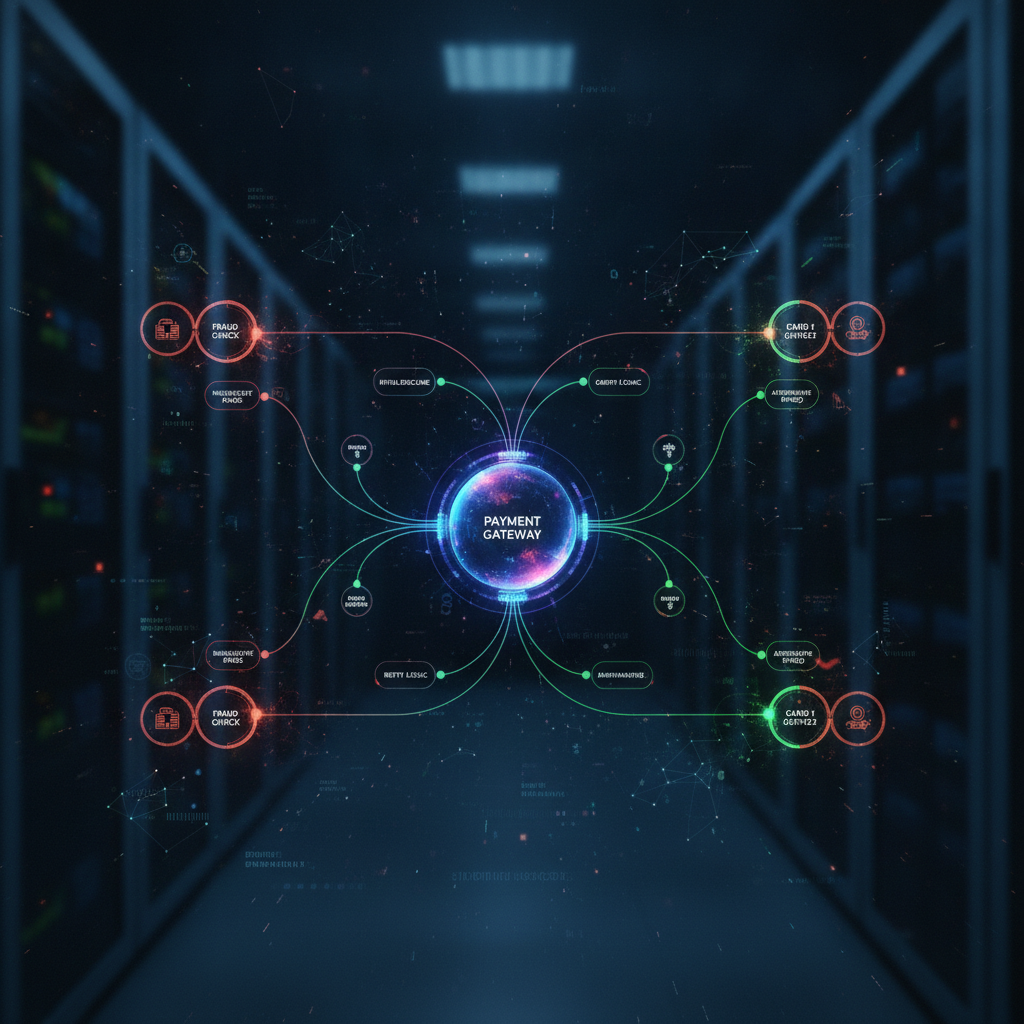
Citcon offers a unique solution for enterprises looking to implement B2B BNPL effectively. With a single API integration, businesses can access over 100 payment methods, including BNPL options, streamlining their procurement processes.
Citcon's PCI-DSS Level 1 compliance ensures that all transactions are secure, providing peace of mind as enterprises adopt innovative payment solutions. As the demand for flexible payment options grows, Citcon is positioned to support enterprises in optimizing their procurement strategies through BNPL.
For more insights, check out our related posts: The CFO Playbook for Dynamic Currency Presentation in 2026 and Payment Orchestration vs Traditional Payment Processing.
What are the benefits of B2B BNPL in enterprise procurement?
B2B BNPL offers improved cash flow, enhanced supplier relationships, and operational efficiency.
How does B2B BNPL affect cash flow management?
B2B BNPL allows enterprises to defer payments, improving cash flow and liquidity.
What types of businesses can benefit from B2B BNPL?
Any business engaged in high-value procurement can benefit from B2B BNPL, especially those facing cash flow constraints.
Is B2B BNPL a secure payment method?
Yes, B2B BNPL is secure when provided by reputable providers that comply with industry standards like PCI-DSS.
How do you choose a BNPL provider?
Choosing a BNPL provider involves evaluating their terms, fees, and integration capabilities with existing systems.
What is the typical payment term for B2B BNPL?
Typical payment terms for B2B BNPL range from 30 to 90 days, depending on the provider and agreement.
Key Takeaways
- 30% of enterprises are expected to adopt BNPL for procurement by 2026.
- BNPL improves cash flow by allowing deferred payments.
- Implementing BNPL can lead to significant cost savings and operational efficiency.
- Citcon provides a robust solution with a single API and PCI-DSS compliance.