5 Ways Wholesale Distributors Use BNPL for Inventory Orders
WRITTEN BY

Dylan Coombs
Citcon
Commercial Leader
Date
Sep 9, 2026
Subscribe to our interesting updates
SHARE ON
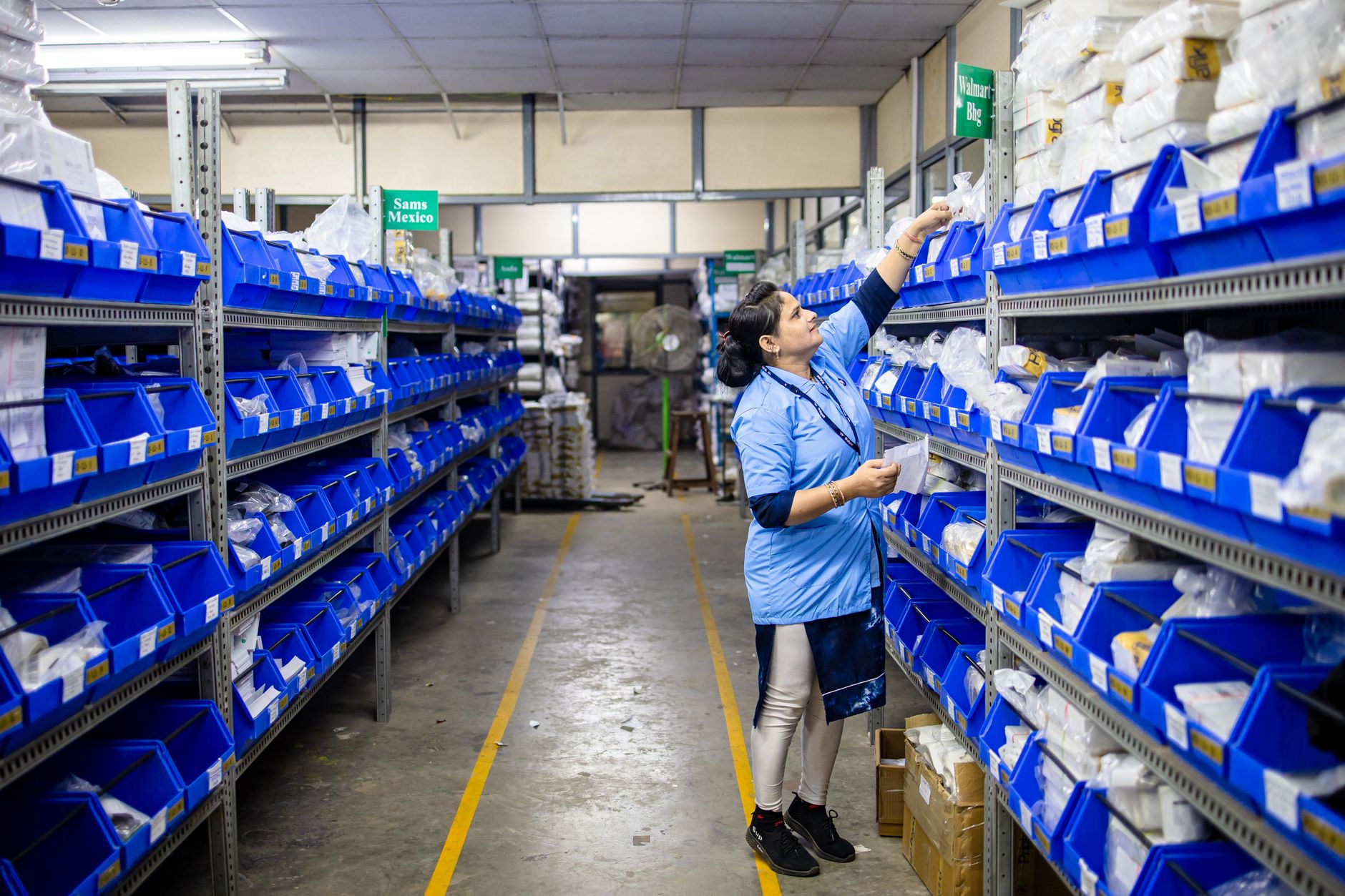
What is BNPL: BNPL, or Buy Now Pay Later, is a payment option allowing customers to purchase goods immediately and pay for them over time in installments.
In 2026, the BNPL market is projected to reach $1 trillion, driven by its growing adoption among wholesale distributors seeking to optimize cash flow and manage inventory costs. Traditional credit lines can be restrictive, often requiring lengthy approval processes and limiting operational flexibility. In contrast, BNPL offers a nimble alternative that allows distributors to place large inventory orders without the associated credit risk.
The wholesale distribution sector is undergoing a significant transformation as businesses increasingly seek innovative financing solutions. According to a 2025 report by McKinsey, 60% of distributors are exploring alternative financing options like BNPL to alleviate cash flow constraints and meet rising demand. This shift is not merely a trend; it is a response to the evolving landscape of supply chain management and consumer expectations.
Context
Wholesale distributors are leveraging BNPL to fund large inventory orders effectively. This financing method provides immediate access to products, enabling them to meet customer demands without the burden of upfront payments.
In an environment where supply chain disruptions are common, having the ability to quickly replenish stock is crucial. BNPL enables distributors to maintain adequate inventory levels, ensuring they can fulfill orders on time. As reported by Statista in 2025, 45% of distributors indicated that inventory management was their top operational challenge.
- Immediate access to inventory: BNPL allows for instant procurement.
- Improved cash flow: Spreads payments over time, preserving capital.
- Reduced credit risk: Less reliance on traditional credit lines.
- Flexibility in purchasing: Enables larger orders without immediate financial strain.
Core Challenge
The core challenge for wholesale distributors is navigating cash flow constraints while ensuring inventory availability. Traditional credit lines can limit purchasing power and may not be accessible for all businesses.
In 2025, the National Association of Wholesaler-Distributors reported that 70% of its members experienced cash flow issues, which directly impacted their ability to stock inventory. This limitation can lead to lost sales opportunities and reduced market competitiveness.
Moreover, relying solely on credit lines can increase financial risk, especially during economic downturns. Distributors often find themselves in a precarious situation, trying to balance immediate inventory needs with long-term financial health.
- High dependency on credit: Over 60% of distributors rely on credit lines.
- Risk of stockouts: 30% report losing sales due to inventory shortages.
- Financial strain: 50% face cash flow challenges monthly.
- Market volatility: Economic fluctuations exacerbate inventory challenges.
How to Use BNPL for Inventory Orders
Wholesale distributors can effectively utilize BNPL by integrating it into their purchasing strategy. This method allows them to place large orders without upfront costs, improving their operational efficiency.
The first step is to assess the distributor's current cash flow situation and inventory needs. This evaluation will help determine the optimal order size and payment terms. Next, selecting a BNPL provider that aligns with the distributor's business model is crucial. Finally, integrating the BNPL solution into the ordering process ensures a seamless experience.
- Evaluate cash flow: Analyze current financial health.
- Determine inventory needs: Assess demand forecasts.
- Select a BNPL provider: Choose one with favorable terms.
- Integrate BNPL into processes: Ensure smooth implementation.
Deep Dive into BNPL for Distributors
Delving deeper, BNPL can transform how wholesale distributors approach inventory management. It allows for strategic purchasing decisions that align with market demands.
Distributors can negotiate better terms with suppliers, leveraging their ability to pay later. This negotiation power can lead to discounts or improved delivery terms, ultimately benefiting the distributor's bottom line. A 2025 survey by Deloitte found that 50% of businesses using BNPL reported improved supplier relationships.
- Better supplier negotiations: Leverage payment flexibility.
- Enhanced cash management: Align payments with revenue cycles.
- Increased purchasing power: Place larger orders without immediate costs.
- Improved inventory turnover: Maintain optimal stock levels.
ROI and Business Case for BNPL
The return on investment (ROI) for wholesale distributors using BNPL can be significant. By minimizing upfront payment burdens, businesses can allocate resources to other critical areas.
According to a 2026 study by PwC, companies using BNPL reported an average increase in sales of 25% due to improved inventory availability. Additionally, the ability to maintain cash reserves can lead to better financial stability and growth opportunities.
- Increased sales: Average 25% boost reported by BNPL users.
- Improved cash reserves: 40% report better financial health.
- Enhanced operational efficiency: 30% reduction in stockouts.
- Stronger supplier relationships: 50% experience improved terms.
How Citcon Solves This
Citcon provides a streamlined solution for wholesale distributors seeking to implement BNPL. With a single API, businesses can access over 100 payment methods, including BNPL options tailored for distributors.
Furthermore, Citcon's platform is PCI-DSS Level 1 compliant, ensuring secure transactions while simplifying the payment process. This compliance allows distributors to focus on growth while minimizing financial risks associated with payment processing.
What Should Merchants Know About AML Compliance in 2026?
Merchants should stay updated on AML compliance regulations to avoid potential pitfalls and ensure smooth operations.
The Hidden Mistakes Exporters Make in Multi-Currency Settlements 2026
Exporters often overlook critical aspects of multi-currency settlements, leading to financial inefficiencies and increased costs.
FAQ
What are the benefits of using BNPL for distributors?
The main benefits include improved cash flow, immediate access to inventory, and reduced credit risk.
How does BNPL impact cash flow for distributors?
BNPL allows distributors to spread payments over time, preserving cash for other operational needs.
Can all distributors use BNPL?
Most distributors can use BNPL, but terms may vary based on creditworthiness and provider policies.
What are the risks associated with BNPL?
Potential risks include overspending and dependency on financing if not managed properly.
How does BNPL affect supplier relationships?
BNPL can enhance supplier relationships by providing flexibility in payment terms and improving negotiation power.
Is BNPL a long-term solution for distributors?
BNPL can be a long-term solution if used strategically, balancing immediate needs with financial health.
Key Takeaways
- BNPL provides immediate access to inventory: Crucial for operational efficiency.
- Improves cash flow: Spreads payments over time.
- Enhances supplier negotiations: Leverage payment flexibility.
- Significant ROI: Up to 25% increase in sales reported.
- Secured transactions: PCI-DSS Level 1 compliance with Citcon.