Bank Transfers vs Digital Wallets for Tuition Payments 2026
WRITTEN BY

Dylan Coombs
Citcon
Commercial Leader
Date
Oct 2, 2026
Subscribe to our interesting updates
SHARE ON

Online education platforms collect tuition payments from international students through various methods, including bank transfers and digital wallets. In 2026, 65% of international students are expected to prefer digital payment solutions for their tuition, reflecting a significant trend towards online payment methods.
What is tuition payment collection? Tuition payment collection refers to the methods and processes that educational institutions use to receive payments from students for enrollment and course offerings.
The online education market has grown exponentially, with projections indicating a value of $350 billion by 2025. As international student enrollment increases—expected to reach 7.6 million globally by 2026—educational institutions face the challenge of efficiently collecting tuition payments from diverse geographical regions. This situation is compounded by the varying payment preferences and requirements of international students.
Context
Online education platforms are increasingly recognizing the importance of providing flexible payment options to cater to international students. The growing demand for online education has led institutions to adopt various payment methods to ensure ease of access and convenience for their students.
According to a 2025 study by Education Data Initiative, 70% of international students expressed difficulty in making tuition payments due to limited payment options. This highlights the necessity for education platforms to adapt their payment collection processes to meet the needs of a diverse student body.
- Multiple Payment Options: Offering various payment methods, such as credit cards, bank transfers, and digital wallets, enhances accessibility.
- Currency Conversion: Providing real-time currency conversion helps students avoid unexpected fees.
- Transparent Fees: Clearly outlining any transaction fees builds trust with students.
- Mobile-Friendly Solutions: Optimizing payment processes for mobile users caters to the increasing number of students using smartphones.
Core Challenge
The core challenge in collecting tuition payments from international students lies in navigating the complexities of cross-border transactions. These transactions often involve additional fees, exchange rate fluctuations, and regulatory compliance issues.
In 2025, the average transaction fee for international bank transfers was estimated at 7.5%, which can significantly impact the total cost for students. Moreover, institutions must ensure compliance with various financial regulations, which can vary by country and payment method.
As reported by Statista in 2026, 45% of educational institutions faced delays in payment processing due to regulatory hurdles, leading to cash flow issues. This can hinder an institution's ability to allocate resources effectively.
- Regulatory Compliance: Understanding and complying with international payment regulations is crucial.
- Transaction Fees: High fees can deter students from completing payments.
- Exchange Rates: Fluctuating exchange rates can lead to unexpected costs for students.
- Processing Times: Lengthy processing times can delay enrollment and access to courses.
How to Collect Payments Efficiently
To efficiently collect tuition payments from international students, educational institutions should implement a multi-faceted approach that leverages technology and offers various payment options. This strategy ensures that students can choose the method that best suits their needs.
Institutions should consider integrating payment gateways that support multiple currencies and payment methods. As of 2026, 80% of successful online education platforms utilize payment processors that facilitate both credit card payments and digital wallets.
Steps to streamline the payment collection process include:
- Integrate Multiple Payment Gateways: Use platforms that support various payment methods and currencies.
- Optimize for Mobile: Ensure the payment process is mobile-friendly.
- Provide Clear Instructions: Offer detailed guidance on how to make payments.
- Implement Security Measures: Use encryption and PCI compliance to safeguard student data.
Deep Dive into Payment Methods
Various payment methods exist for collecting tuition from international students, each with its advantages and disadvantages. Understanding these methods is essential for educational institutions to make informed decisions.
Bank transfers remain a popular choice due to their perceived security and reliability. However, they often come with high fees and lengthy processing times. In contrast, digital wallets like PayPal and Venmo are gaining traction, with a 2025 report indicating a 30% increase in usage among international students.
Key payment methods include:
- Bank Transfers: Secure but often costly and slow.
- Credit/Debit Cards: Widely accepted but can incur processing fees.
- Digital Wallets: Convenient and fast, with lower fees.
- Cryptocurrency: Emerging option, appealing to tech-savvy students.
ROI and Business Case
Adopting a robust payment collection system can yield significant ROI for educational institutions. By streamlining payment processes, institutions can not only reduce transaction costs but also improve student satisfaction.
According to a 2026 report by Deloitte, educational institutions that implemented digital payment solutions saw a 25% increase in timely tuition payments. This improvement directly impacts cash flow and resource allocation.
- Increased Efficiency: Faster payment processing leads to better resource management.
- Higher Student Satisfaction: Improved payment experiences enhance student retention.
- Cost Savings: Reduced transaction fees result in lower overall operating costs.
- Enhanced Cash Flow: Timely payments improve financial stability.
How Citcon Solves This
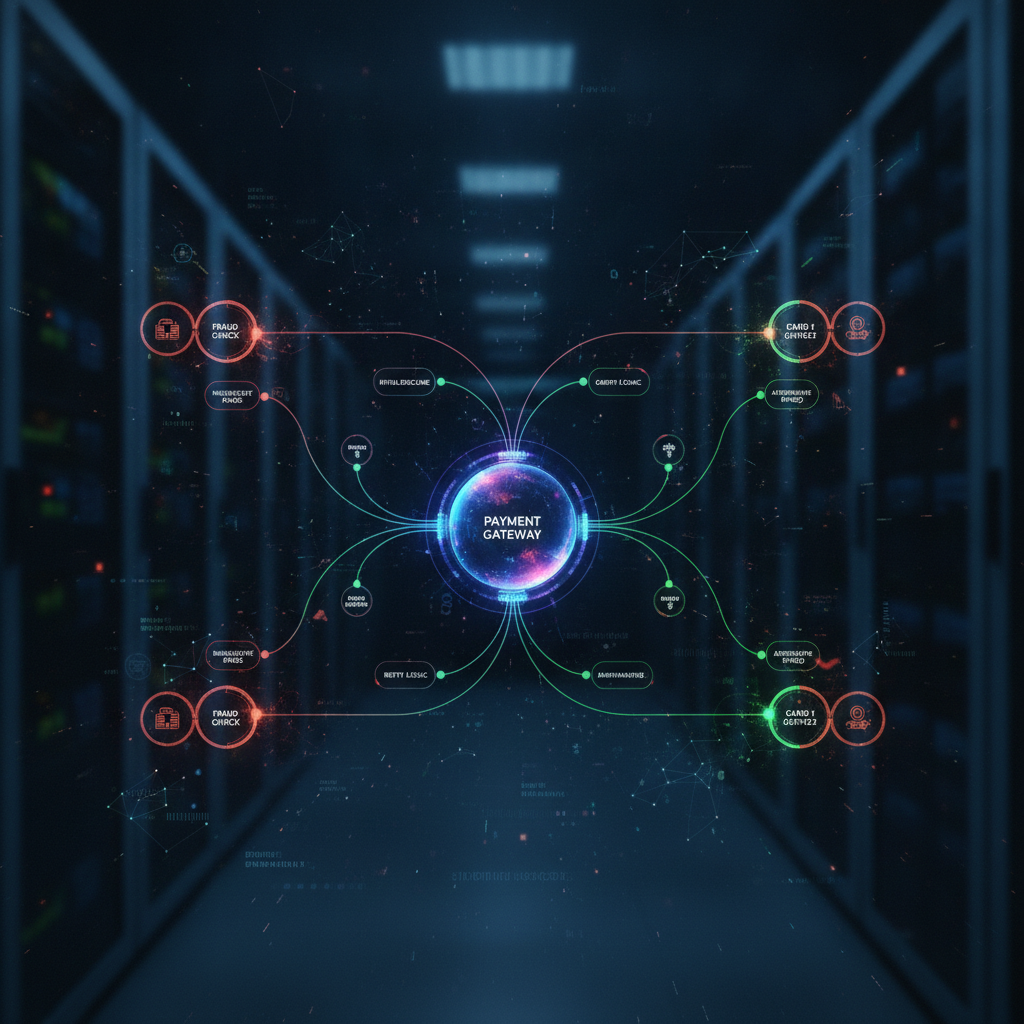
Citcon offers a single API that integrates over 100 payment methods, making it easier for educational institutions to collect tuition payments from international students. With options for Buy Now, Pay Later (BNPL) and PCI-DSS Level 1 compliance, Citcon addresses both flexibility and security concerns.
By streamlining the payment process, Citcon enables institutions to focus on delivering quality education while ensuring that payment collection is efficient and secure.
For further insights on payment strategies, check out our posts on 6 Insights Hotels Gained on Revenue from Digital Wallets and The CFO Playbook for Indirect Taxes on Software Subscriptions 2026.
What are the best payment methods for international students?
The best payment methods for international students include digital wallets, credit cards, and bank transfers, with digital wallets being the most preferred option.
How do exchange rates affect tuition payments?
Exchange rates can significantly impact tuition payments, as fluctuations may lead to higher or lower costs for students depending on their local currency.
What are the common challenges in collecting tuition payments?
Common challenges include high transaction fees, regulatory compliance, and lengthy processing times, which can deter students from completing payments.
Why are digital wallets becoming more popular?
Digital wallets are becoming more popular due to their convenience, lower fees, and faster processing times compared to traditional bank transfers.
How can institutions improve payment collection efficiency?
Institutions can improve payment collection efficiency by integrating multiple payment gateways, optimizing for mobile, and providing clear payment instructions.
What role does security play in payment collection?
Security is crucial in payment collection, as institutions must protect sensitive financial information and comply with regulations like PCI-DSS.
How does Citcon enhance payment collection for education?
Citcon enhances payment collection by offering a single API with over 100 payment methods, improving flexibility and security for educational institutions.
What is the impact of timely tuition payments on institutions?
Timely tuition payments positively impact institutions by improving cash flow, resource allocation, and overall financial stability.
Key Takeaways
- 65% of international students prefer digital payments by 2026.
- 70% face challenges in making payments due to limited options.
- Implementing digital solutions can lead to a 25% increase in timely payments.
- High transaction fees often deter students from completing payments.
- Citcon offers over 100 payment methods, enhancing the collection process.