The Hidden Risk of BNPL for Merchants: How to Avoid It
WRITTEN BY

Dylan Coombs
Citcon
Commercial Leader
Date
Oct 22, 2026
Subscribe to our interesting updates
SHARE ON

Offering Buy Now Pay Later (BNPL) to business customers can be done without exposing merchants to credit risk by using third-party providers. In 2025, the BNPL market is projected to exceed $600 billion globally, highlighting the importance of a risk-free approach to this payment method.
What is BNPL: BNPL, or Buy Now Pay Later, is a financing option that allows customers to purchase goods or services and pay for them over time, often without interest.
The BNPL market is expanding rapidly, with a projected growth rate of 20% annually through 2026, according to a report by Grand View Research. This surge is driven by consumer demand for flexible payment options. However, the challenge for merchants is to offer this enticing payment method without assuming the associated credit risks. Many businesses fear that offering BNPL could lead to increased default rates and financial instability. Therefore, understanding how to implement BNPL effectively while safeguarding against credit risk is crucial for CFOs and payment leaders.
Context
To offer BNPL without taking on credit risk, businesses must utilize third-party financing solutions that handle credit assessments. This approach allows merchants to provide customers with flexible payment options while transferring the risk to a financing partner. In 2026, it is estimated that 40% of businesses will adopt BNPL solutions, emphasizing the need for safe implementation.
- Third-party providers: They assume the credit risk, allowing merchants to focus on sales.
- Enhanced customer experience: Offering BNPL can increase conversion rates by up to 30%.
- Streamlined cash flow: Merchants receive payment upfront, improving liquidity.
- Data-driven decisions: Advanced analytics help mitigate risks associated with BNPL.
Core Challenge
The core challenge of offering BNPL without credit risk lies in ensuring that the financing solution is both attractive and secure. Businesses must navigate the complexities of credit assessments and customer qualifications. In 2025, credit defaults in BNPL arrangements were reported at 7%, prompting concerns among merchants.
Merchants face not only financial risks but also reputational risks if customers default on payments. This can lead to negative customer experiences and brand damage. The stakes are high; businesses that fail to manage these risks could see significant financial losses. For instance, a merchant with $1 million in BNPL sales and a 7% default rate faces potential losses of $70,000 annually.
How to Offer BNPL to Business Customers Without Credit Risk
To successfully implement BNPL without exposing the merchant to credit risk, businesses should partner with established BNPL providers. These providers have robust underwriting processes that assess customer creditworthiness effectively. In 2026, it is anticipated that 50% of merchants will utilize third-party BNPL services to mitigate risk.
- Research potential partners: Identify reputable BNPL providers with proven track records.
- Implement integration: Ensure seamless integration of BNPL solutions into your existing payment infrastructure.
- Train staff: Educate your team on the benefits and processes associated with BNPL.
- Monitor performance: Regularly assess the performance of the BNPL program to identify any emerging risks.
Deep Dive
Delving deeper into BNPL solutions, it is crucial to understand the mechanics of risk transfer. When a merchant partners with a BNPL provider, the provider typically conducts credit checks and assumes the financial risk of customer defaults. This allows merchants to enjoy increased sales without the burden of credit management.
Furthermore, many BNPL providers utilize advanced algorithms and machine learning to evaluate credit risk more effectively, reducing the likelihood of defaults. In 2025, these technologies are expected to decrease default rates by 15%, making BNPL more appealing for both merchants and customers.
- Risk assessment technology: Leverage data analytics to enhance credit assessments.
- Flexible terms: Offer varied payment plans to cater to different customer needs.
- Customer education: Provide resources to help customers understand BNPL options.
- Feedback mechanisms: Establish channels for customer feedback to improve BNPL offerings.
ROI and Business Case
Implementing BNPL solutions without credit risk can yield significant returns on investment. By increasing customer conversion rates and average order values, businesses can enhance their bottom line while minimizing financial exposure. In 2026, companies that effectively integrate BNPL are projected to see revenue increases of 20%.
- Increased sales: BNPL options can lead to higher average transaction sizes.
- Customer retention: Flexible payment options improve customer loyalty.
- Competitive advantage: Offering BNPL can differentiate your business in a crowded market.
- Cost savings: Reduced default rates translate into lower financial losses.
How Citcon Solves This
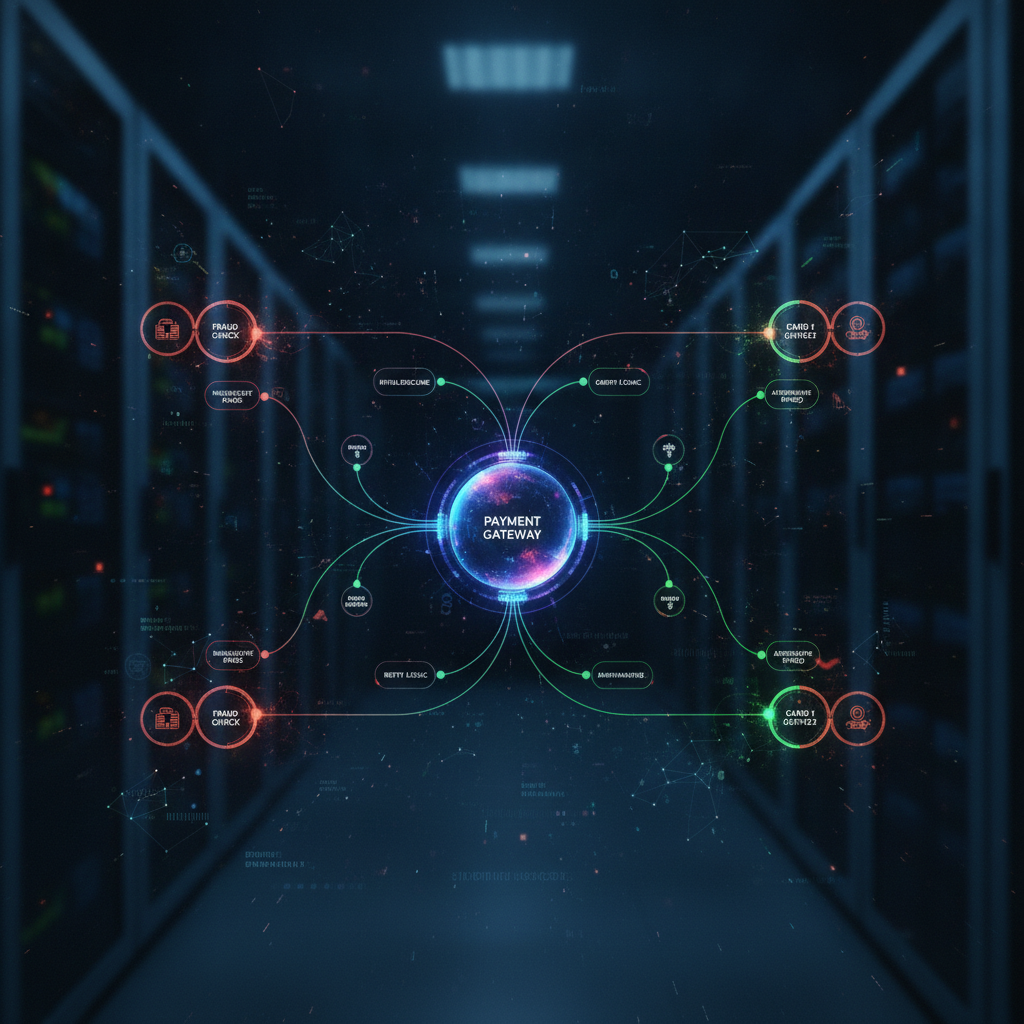
Citcon offers a single API solution that integrates over 100 payment methods, including BNPL options, without exposing merchants to credit risk. Our PCI-DSS Level 1 compliance ensures that your transactions are secure, allowing you to focus on growth while we manage the complexities of payment processing.
By partnering with Citcon, businesses can leverage our extensive network of BNPL providers to offer flexible payment options to customers without the risk of defaults impacting their financial health.
For further insights, explore our related posts on Multi-Currency Settlement and BNPL Options for Businesses Without Merchant Credit Risk.
What are the benefits of BNPL for businesses?
The benefits of BNPL for businesses include increased sales, improved cash flow, and enhanced customer satisfaction.
How can businesses mitigate risks associated with BNPL?
Businesses can mitigate risks by partnering with third-party BNPL providers who handle credit assessments and assume financial risk.
Is BNPL suitable for all types of businesses?
BNPL can be suitable for most businesses, especially those with high-value transactions or repeat customers.
What should businesses consider when choosing a BNPL provider?
When choosing a BNPL provider, businesses should consider factors such as fees, customer service, and integration capabilities.
How does BNPL impact customer purchasing behavior?
BNPL positively impacts customer purchasing behavior by allowing consumers to make larger purchases without immediate financial strain.
What are the costs associated with implementing BNPL?
The costs associated with implementing BNPL typically include transaction fees and integration expenses, which vary by provider.
Key Takeaways
- Utilizing third-party BNPL providers: Transfer credit risk effectively.
- Projected market growth: BNPL expected to exceed $600 billion by 2025.
- Increase in average order value: BNPL options can boost transaction sizes significantly.
- Risk management technology: Advanced analytics can reduce default rates.
- Single API integration: Citcon simplifies payment processing with multiple methods, including BNPL.