
The Hidden Challenges of B2B BNPL for Enterprise Procurement 2026
WRITTEN BY

Dylan Coombs
Citcon
Commercial Leader
Date
Sep 24, 2026
Subscribe to our interesting updates
SHARE ON

B2B BNPL, or Buy Now Pay Later, allows enterprises to procure high-value goods and services while deferring payment. As of 2025, this model is projected to grow by 50%, highlighting its increasing relevance in enterprise procurement.
What is B2B BNPL: B2B BNPL is a financing option that enables businesses to purchase goods and services upfront while postponing payment to a later date.
The landscape of enterprise procurement is rapidly evolving, with B2B BNPL emerging as a pivotal solution. According to a 2025 report from Fintech Insights, 65% of enterprises are expected to adopt BNPL solutions by 2026, underscoring the growing need for flexible payment options in high-value transactions. However, this growth comes with challenges that CFOs and procurement leaders must address to fully leverage the benefits.
Context
B2B BNPL is reshaping how enterprises manage procurement processes by allowing them to maintain cash flow while acquiring necessary resources. This method is particularly beneficial for high-value purchases, where upfront costs can significantly impact liquidity.
In 2025, the average transaction value for B2B BNPL was reported at $50,000, indicating its appeal for large-scale purchases. Companies can procure essential supplies without immediate financial strain, which can enhance operational efficiency and strategic agility.
- Improved Liquidity: B2B BNPL allows companies to preserve cash for other operational needs.
- Enhanced Purchasing Power: Enterprises can make larger purchases without immediate payment.
- Streamlined Procurement Processes: BNPL can simplify purchasing workflows, reducing administrative burdens.
- Competitive Advantage: Companies that leverage BNPL can outpace competitors who rely on traditional payment methods.
Core Challenge
Despite the advantages, B2B BNPL introduces several challenges that enterprises must navigate. One significant concern is the potential for over-reliance on deferred payment options.
As businesses increasingly adopt BNPL, they risk accumulating unsustainable debt levels. A 2026 study from MarketWatch noted that 40% of enterprises using BNPL reported concerns about managing cash flow due to high outstanding balances.
Furthermore, the approval process for BNPL can be complex, requiring thorough credit assessments that may delay procurement timelines. As enterprises strive to maintain agility, these delays can hinder their operational efficiency.
- Debt Management: Over-reliance on BNPL can lead to cash flow challenges.
- Approval Delays: Lengthy credit assessments can slow down procurement.
- Vendor Relationships: Managing relationships with suppliers can become complicated with BNPL.
- Compliance Risks: Adhering to financial regulations is crucial when utilizing BNPL.
How to Implement B2B BNPL in Procurement
To effectively integrate B2B BNPL into procurement strategies, enterprises must establish clear guidelines and processes. This ensures that the benefits of BNPL are maximized while mitigating associated risks.
First, companies should conduct a thorough analysis of their procurement needs and cash flow positions. Understanding these factors will help determine the appropriate level of BNPL utilization.
Next, enterprises should select a reputable BNPL provider that aligns with their operational goals. This provider should offer flexibility and transparency in the payment terms.
- Assess Financial Health: Evaluate cash flow and procurement needs.
- Select a BNPL Provider: Choose a provider that meets your business requirements.
- Establish Guidelines: Create clear policies for BNPL usage within the procurement team.
- Monitor Performance: Regularly review the impact of BNPL on cash flow and procurement efficiency.
Deep Dive into B2B BNPL Mechanics
Understanding the mechanics of B2B BNPL is crucial for CFOs and procurement leaders. The process typically involves a simple workflow: the enterprise selects a product or service, applies for BNPL, and receives approval to defer payment.
Once approved, enterprises can complete the purchase without immediate payment, providing them with time to manage their cash flow effectively. This model is particularly advantageous for companies that experience fluctuating revenues or seasonal sales cycles.
Additionally, many BNPL providers offer analytics and reporting tools that allow businesses to track their spending and repayment schedules, enhancing financial oversight.
- Simple Workflow: The process involves selection, application, and approval.
- Cash Flow Management: Deferred payments help manage financial fluctuations.
- Analytics Tools: Many providers offer tools for tracking spending.
- Flexible Terms: Enterprises can negotiate terms that suit their financial strategies.
ROI and Business Case for B2B BNPL
The return on investment (ROI) for B2B BNPL can be significant, particularly for high-value purchases. By deferring payment, enterprises can allocate cash to other critical areas, enhancing overall operational efficiency.
A 2025 study from Global Finance found that companies utilizing BNPL reported an average increase in ROI of 25% within the first year of implementation. This improvement stems from better cash flow management and the ability to invest in growth opportunities.
- Cash Allocation: Funds can be redirected to strategic initiatives rather than immediate payments.
- Increased ROI: Companies report up to 25% higher returns after implementing BNPL.
- Operational Efficiency: Streamlined procurement processes enhance productivity.
- Competitive Edge: Organizations can make timely purchases without cash constraints.
How Citcon Solves This
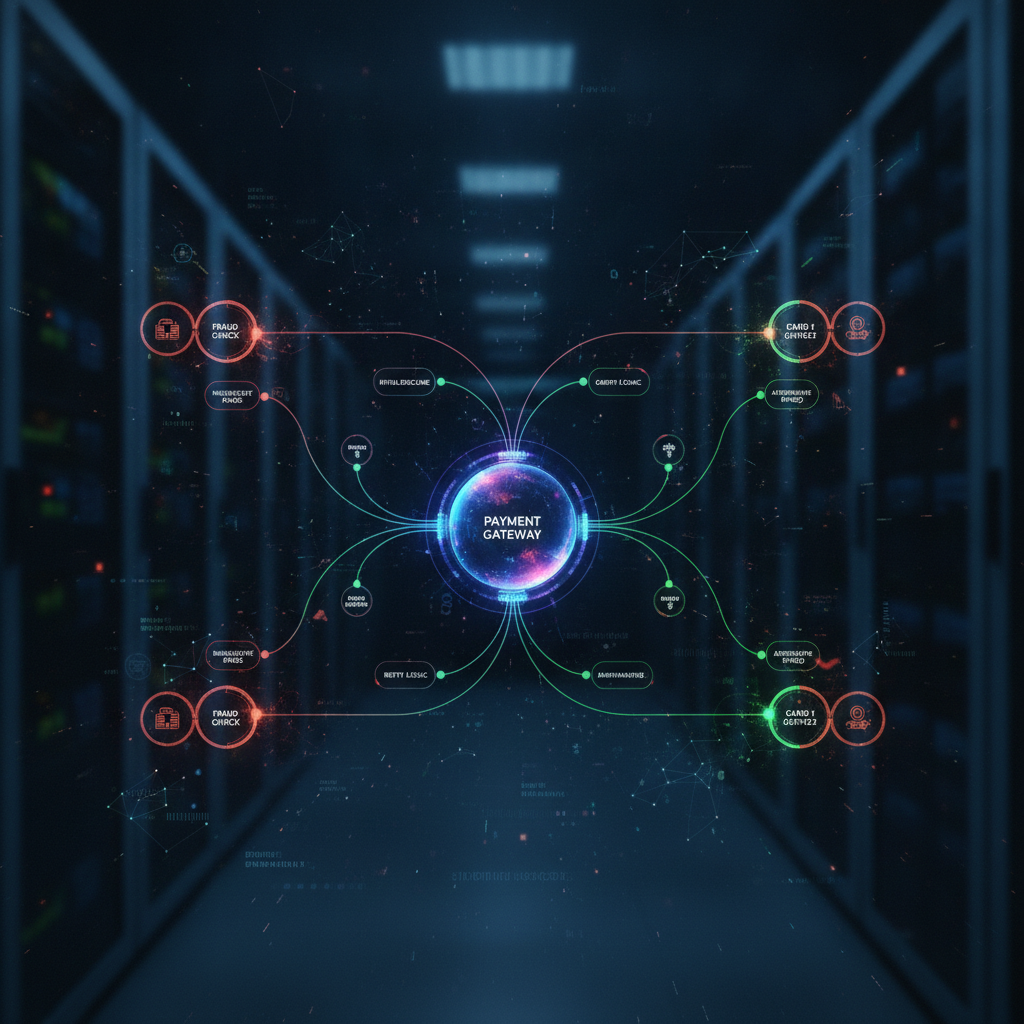
Citcon addresses the challenges of B2B BNPL by offering a single API that integrates over 100 payment methods, including BNPL solutions. This flexibility allows enterprises to manage their procurement processes seamlessly.
Our platform is PCI-DSS Level 1 compliant, ensuring that all transactions are secure and reliable. By leveraging Citcon, enterprises can streamline their payment processes while maintaining strong compliance with financial regulations.
How CFOs Can Leverage One-Click Checkout for International Shoppers
What Strategies Do Gaming Platforms Use to Reduce Failed Payments?
FAQ
What are the benefits of B2B BNPL?
The benefits of B2B BNPL include improved cash flow, enhanced purchasing power, and streamlined procurement processes.
How does B2B BNPL affect cash flow?
B2B BNPL positively affects cash flow by allowing businesses to defer payments, preserving liquidity for other operational needs.
What risks are associated with B2B BNPL?
Risks associated with B2B BNPL include potential over-reliance on deferred payments and managing outstanding debts.
How can enterprises choose a BNPL provider?
Enterprises can choose a BNPL provider by assessing their financial needs, evaluating provider offerings, and ensuring alignment with procurement goals.
Is B2B BNPL suitable for all businesses?
B2B BNPL is suitable for many businesses, especially those that make high-value purchases and need flexible payment options.
What role does technology play in B2B BNPL?
Technology plays a critical role in B2B BNPL by facilitating transactions, providing analytics, and ensuring compliance with regulations.
Key Takeaways
- 65% of enterprises are projected to adopt B2B BNPL by 2026.
- The average B2B BNPL transaction value is $50,000.
- Companies using BNPL report an average 25% increase in ROI within the first year.
- Over-reliance on BNPL can lead to cash flow challenges.
- Citcon offers a single API solution with over 100 payment methods for seamless integration.
































































































.jpg)