What is Payment Orchestration and How Does It Cut Costs in 2026?
WRITTEN BY

Dylan Coombs
Citcon
Commercial Leader
Date
Sep 12, 2026
Subscribe to our interesting updates
SHARE ON

Payment orchestration is a system that manages multiple payment methods and service providers in a seamless manner, leading to reduced transaction costs for enterprises. According to a 2026 report by Forrester, businesses leveraging payment orchestration can save up to 20% on transaction fees.
What is Payment Orchestration: Payment orchestration is the technology that enables businesses to manage, route, and optimize payment transactions across various payment processors and methods.
The global payment orchestration market is projected to reach $15 billion by 2026, growing at a CAGR of 25% from 2025. The rise in e-commerce and digital transactions drives this growth, as enterprises seek to enhance operational efficiency and reduce costs. However, many enterprises still grapple with fragmented payment systems, leading to inefficiencies and increased costs. Payment orchestration addresses these challenges by providing a centralized platform for managing payment processes.
Context
Payment orchestration reduces transaction costs by consolidating payment processes into a single platform, thereby eliminating redundancies and streamlining operations. According to a study by McKinsey, businesses that implement payment orchestration can see operational cost reductions of 15-20%.
In a landscape where every basis point counts, especially for large enterprises processing millions of transactions, the ability to optimize payment routing and reduce fees is critical. The need for a flexible, adaptable payment infrastructure that can handle diverse payment methods is paramount. Payment orchestration not only simplifies this complexity but also enhances customer experience through faster processing times.
- Centralized Management: A single platform for all payment methods.
- Cost Efficiency: Reduce transaction fees by optimizing routing.
- Improved User Experience: Faster transaction times enhance customer satisfaction.
- Scalability: Easily adapt to new payment methods as they emerge.
Core Challenge
The core challenge enterprises face is managing multiple payment gateways and processors, which can lead to increased operational costs and inefficiencies. A report by Deloitte in 2025 indicates that enterprises using multiple payment providers see a 30% increase in transaction costs due to lack of optimization.
For enterprises with high transaction volumes, these costs can add up significantly. For example, a company processing $100 million in transactions annually could incur up to $6 million in unnecessary fees if not optimized. This is where payment orchestration plays a crucial role in identifying the most cost-effective routes for transactions.
Moreover, as payment methods diversify, the complexity of managing them increases. A unified orchestration platform simplifies this landscape, allowing enterprises to focus on growth rather than payment management.
How to Implement Payment Orchestration
Implementing payment orchestration involves selecting the right technology partner and integrating their solutions into existing systems. The first step is evaluating current payment processes to identify inefficiencies and potential savings.
Next, businesses must choose a payment orchestration platform that supports multiple payment methods and offers robust analytics capabilities. Finally, thorough testing and optimization are essential to ensure seamless integration and functionality.
- Assess current payment infrastructure for inefficiencies.
- Choose a payment orchestration provider with comprehensive solutions.
- Integrate the platform into existing systems.
- Test and optimize for performance.
Deep Dive
A deeper understanding of payment orchestration reveals its multifaceted benefits, including enhanced fraud protection and improved compliance with regulatory requirements. Payment orchestration platforms typically come equipped with advanced fraud detection tools that can reduce chargeback rates by up to 50%.
Additionally, these platforms facilitate compliance with PCI-DSS standards, which can mitigate the risk of costly data breaches. As regulatory scrutiny increases, having a robust payment orchestration system in place can help businesses avoid hefty fines and reputational damage.
- Fraud Detection: Advanced tools reduce chargeback rates significantly.
- Regulatory Compliance: Ensures adherence to industry standards.
- Analytics: Provides insights into payment performance and customer behavior.
- Customizable Solutions: Adapt to specific business needs and payment methods.
ROI and Business Case
The return on investment (ROI) for payment orchestration can be substantial, with enterprises reporting savings of 20-30% on transaction costs. A case study from 2025 showed that a retail enterprise saved over $2 million annually by switching to a payment orchestration platform.
Additionally, the ability to streamline operations and improve customer satisfaction can lead to increased sales and customer loyalty, further enhancing the business case for payment orchestration.
- Quantifiable Savings: Significant reductions in transaction fees.
- Increased Sales: Faster payments can lead to higher conversion rates.
- Customer Retention: Improved experience enhances loyalty.
- Operational Efficiency: Streamlined processes reduce overhead costs.
How Citcon Solves This
Citcon offers a robust payment orchestration solution that integrates over 100 payment methods through a single API. This enables enterprises to optimize their payment processes effectively while benefiting from features like Buy Now, Pay Later (BNPL) options and PCI-DSS Level 1 compliance.
By providing a centralized platform for payment management, Citcon allows businesses to reduce transaction costs and enhance the customer experience, positioning them competitively in the market.
For more insights, check out our posts on reducing failed payments and bank transfers vs crypto for fast payouts.
What are the main benefits of payment orchestration?
The main benefits of payment orchestration include cost savings, improved transaction processing speed, and enhanced fraud protection.
How does payment orchestration work?
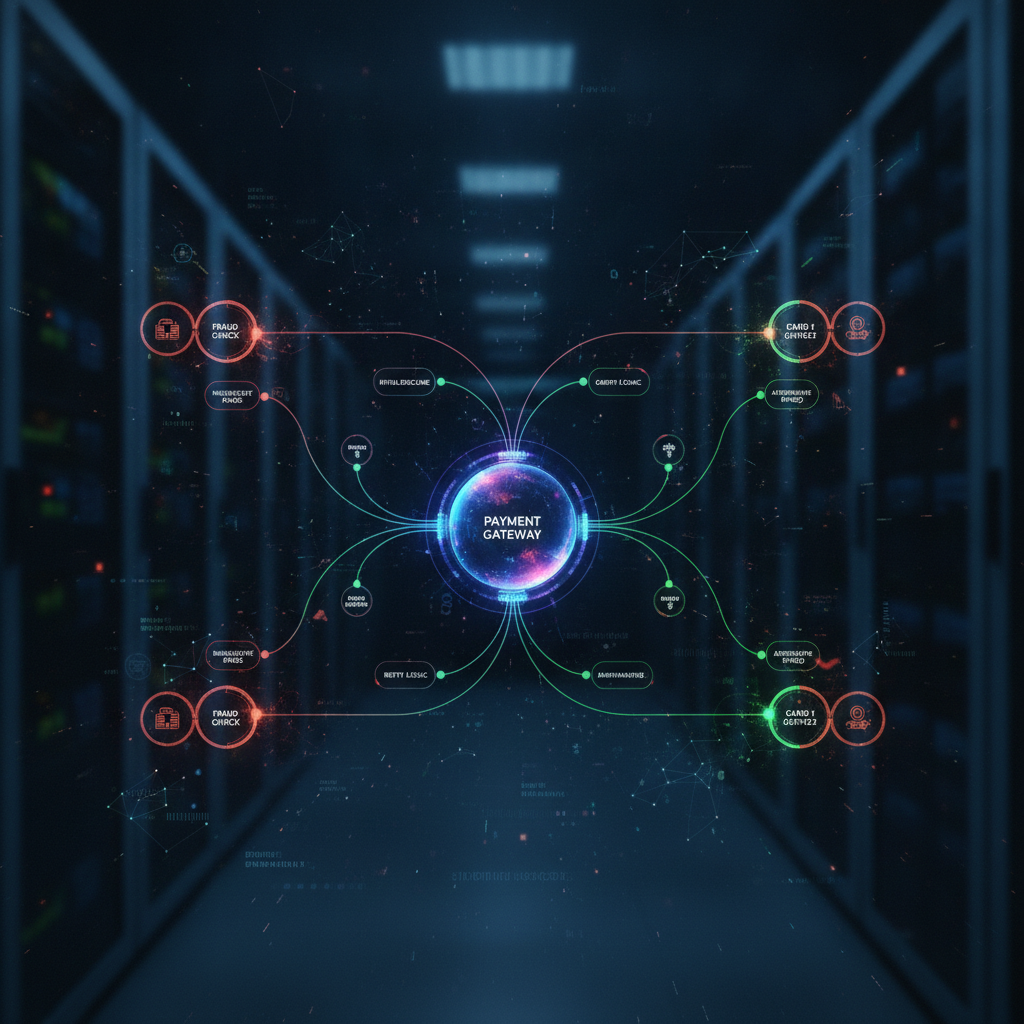
Payment orchestration works by integrating multiple payment gateways into a single platform, allowing for optimized transaction routing and management.
Can payment orchestration improve customer experience?
Yes, payment orchestration can significantly improve customer experience by reducing transaction times and providing a seamless checkout process.
What types of businesses benefit from payment orchestration?
All types of businesses, particularly those with high transaction volumes, can benefit from payment orchestration by reducing costs and improving efficiency.
Is payment orchestration secure?
Yes, payment orchestration platforms typically include advanced security features that comply with industry standards like PCI-DSS.
What should I consider when choosing a payment orchestration provider?
When choosing a payment orchestration provider, consider their range of supported payment methods, ease of integration, and compliance with security standards.
Key Takeaways
- Up to 20% savings: Enterprises can save significantly on transaction costs.
- Centralized management: Streamlines payment processes across multiple providers.
- Enhanced security: Advanced fraud protection and compliance capabilities.
- Improved customer experience: Faster transaction processing leads to higher satisfaction.
- Scalability: Easily adapt to emerging payment methods and market changes.















































































.jpg)






.png)