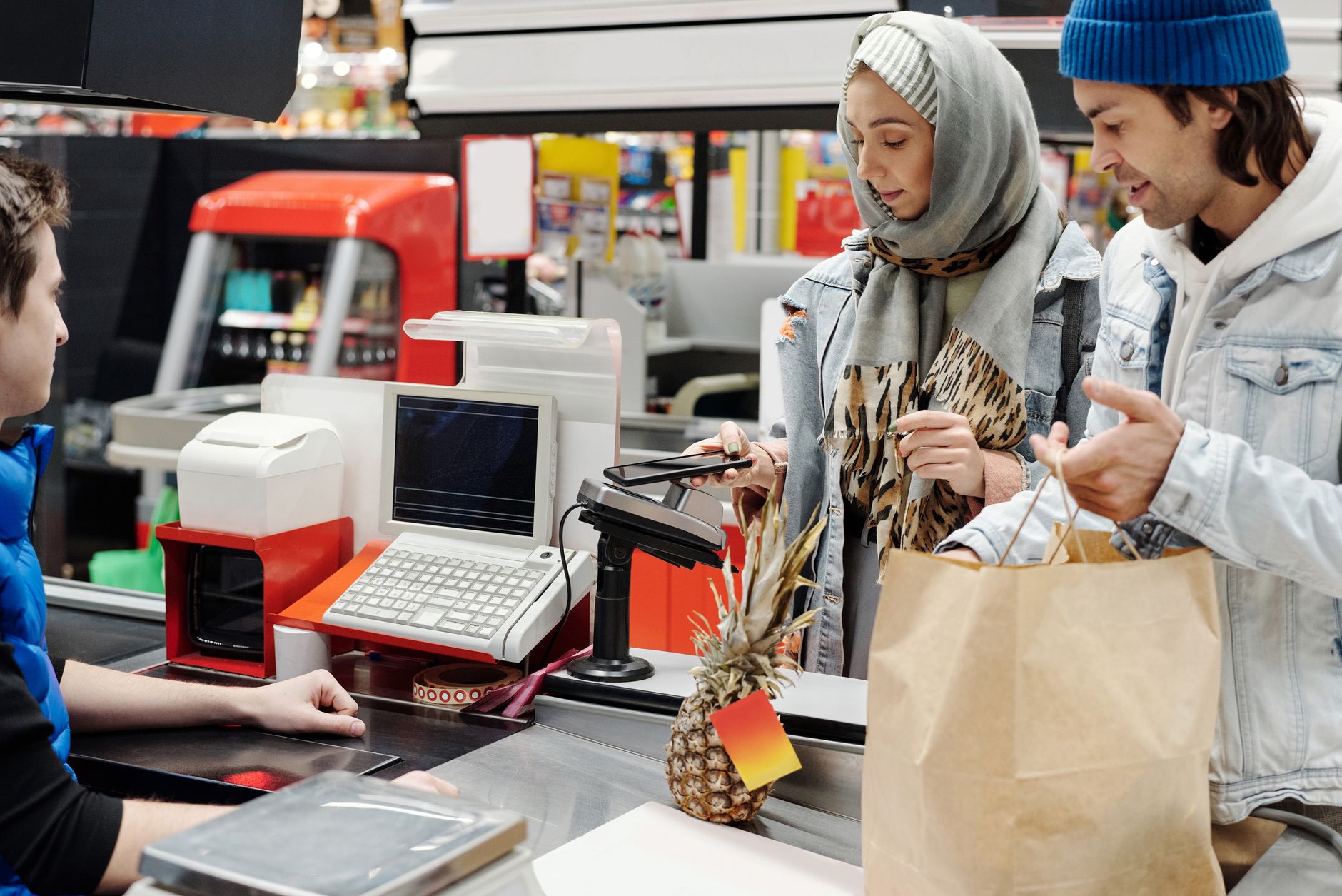
Digital Wallet Payments Are Transforming Hotel Check-Ins in 2026
WRITTEN BY

Dylan Coombs
Citcon
Commercial Leader
Date
Nov 16, 2026
Subscribe to our interesting updates
SHARE ON

Digital wallet payments are rapidly becoming a preferred method for international guests at hotel check-ins, with 70% of travelers using this payment method in 2026, according to Statista.
What is a digital wallet? A digital wallet is a software-based system that securely stores users' payment information and passwords for various payment methods and websites.
The hospitality industry is experiencing a significant transformation due to the increasing adoption of digital wallet payments. According to a 2026 report by McKinsey, 62% of international travelers prefer using digital wallets for transactions, driven by the convenience and speed they offer. This trend is reshaping how hotels manage check-in processes, making it essential for hotel operators to adapt quickly. As guest expectations evolve, hotels that fail to integrate digital wallet options risk losing competitive advantage.
Furthermore, the global digital wallet market is projected to reach $9 trillion by 2026, a remarkable increase from $4.5 trillion in 2024, highlighting the growing importance of this payment method in the travel sector. With travelers seeking seamless payment experiences, hotels must prioritize digital wallet acceptance to meet these demands.
Context
Understanding the context of digital wallet payments is crucial for hotels aiming to enhance guest experiences. Digital wallets facilitate quick transactions, allowing international guests to pay in their local currencies without incurring hefty foreign transaction fees.
In recent years, the need for contactless payment solutions has surged, particularly in the wake of the COVID-19 pandemic. Hotels have recognized the importance of providing a safe and efficient payment method that aligns with travelers' preferences. In 2025, the percentage of hotels accepting digital wallets rose by 45%, indicating a significant shift in payment processing strategies.
- Increased guest satisfaction: Offering digital wallet options enhances the guest experience, leading to higher satisfaction rates.
- Reduced transaction fees: Digital wallets often have lower transaction fees compared to traditional credit cards.
- Faster check-in processes: Digital wallet payments expedite the check-in process, reducing wait times for guests.
- Global reach: Digital wallets allow hotels to cater to a broader international audience.
Core Challenge
The core challenge for hotels is integrating digital wallet payment systems seamlessly into their existing operations. While the technology is available, the implementation can be complex and requires careful planning.
Many hotels face hurdles such as outdated payment infrastructure and staff training on new systems. According to a 2025 survey by Deloitte, 58% of hoteliers reported difficulty in adopting new payment technologies, primarily due to integration issues. The costs associated with these integrations can range from $5,000 to $20,000, depending on the hotel size and existing systems.
Moreover, without proper implementation, hotels risk alienating tech-savvy guests who expect modern conveniences during their stay. In 2026, research indicates that hotels not offering digital wallet payments could lose up to 30% of potential bookings from international travelers.
How to Accept Digital Wallet Payments from International Guests
To accept digital wallet payments effectively, hotels must follow a structured approach that includes technology upgrades, staff training, and customer communication.
The first step is selecting a payment processor that supports multiple digital wallets, such as Apple Pay, Google Pay, and WeChat Pay. This ensures that guests can use their preferred payment methods. Next, hotels should upgrade their point-of-sale (POS) systems to accommodate these wallets.
- Research and select a payment processor.
- Upgrade POS systems to support digital wallets.
- Train staff on new payment procedures.
- Communicate with guests about available payment options.
Deep Dive into Digital Wallet Technologies
Diving deeper into the technologies behind digital wallets reveals the underlying frameworks that make these transactions secure and efficient. Digital wallets use encryption and tokenization to protect sensitive data, ensuring that guests’ financial information remains secure.
Moreover, the ability to store multiple payment methods in one place simplifies the guest experience. As of 2026, 50% of travelers reported that having their payment information stored in a digital wallet influenced their choice of hotel. This preference for digital solutions emphasizes the need for hotels to stay ahead of technological trends.
- Security: Advanced encryption and tokenization methods protect user data.
- Convenience: Guests can store multiple payment methods in one digital wallet.
- Real-time transactions: Payments are processed instantly, enhancing the guest experience.
- Cross-platform compatibility: Digital wallets work across various devices and operating systems.
ROI and Business Case for Digital Wallet Integration
Investing in digital wallet payment systems can yield substantial returns for hotels. The initial costs of integration can be offset by increased bookings and reduced transaction fees.
Hotels that implement digital wallet solutions can expect to see an increase in bookings by as much as 25% from international guests who prefer this payment method. Additionally, the reduction in transaction costs can save hotels thousands of dollars annually, with estimates suggesting savings of 10-15% on payment processing fees.
- Increased bookings: Up to 25% more bookings from international guests.
- Cost savings: 10-15% reduction in transaction fees.
- Enhanced guest satisfaction: Higher satisfaction rates lead to repeat business.
- Competitive advantage: Stay ahead of competitors by adopting modern payment solutions.
How Citcon Solves This
Citcon offers a streamlined solution for hotels looking to integrate digital wallet payments. With a single API, hotels can access over 100 different payment methods, including the most popular digital wallets used by international travelers.
Additionally, Citcon provides buy now, pay later (BNPL) options, allowing guests to manage their finances more flexibly. All transactions are PCI-DSS Level 1 compliant, ensuring the highest standards of security are met.
For more insights, check out our related posts on The Hidden Problem CFOs Face in FX Risk Management 2026 and The Hidden Problem of Checkout Friction for International Shoppers.
What are the benefits of accepting digital wallet payments in hotels?
Accepting digital wallet payments in hotels enhances guest experience, reduces transaction fees, and speeds up check-in processes.
How do digital wallets improve guest satisfaction?
Digital wallets improve guest satisfaction by offering a fast, secure, and convenient payment option that aligns with travelers' preferences.
What challenges do hotels face with digital wallet integration?
Hotels face challenges such as outdated payment infrastructure, staff training, and the cost of integration when adopting digital wallets.
How can hotels communicate digital wallet options to guests?
Hotels can communicate digital wallet options to guests through website updates, in-room materials, and staff training to ensure awareness.
What is the future of digital payments in the hotel industry?
The future of digital payments in the hotel industry is set to grow, with projections indicating the digital wallet market will reach $9 trillion by 2026.
How does Citcon support hotels in payment processing?
Citcon supports hotels with a single API that integrates over 100 payment methods, including digital wallets and BNPL options, ensuring secure transactions.
Key Takeaways
- 70% of travelers prefer digital wallet payments in 2026.
- 62% of international travelers favor digital wallets for transactions.
- Hotels can expect a 25% increase in bookings by adopting digital wallet solutions.
- Transaction costs can be reduced by 10-15% with digital wallets.
- The digital wallet market is projected to reach $9 trillion by 2026.