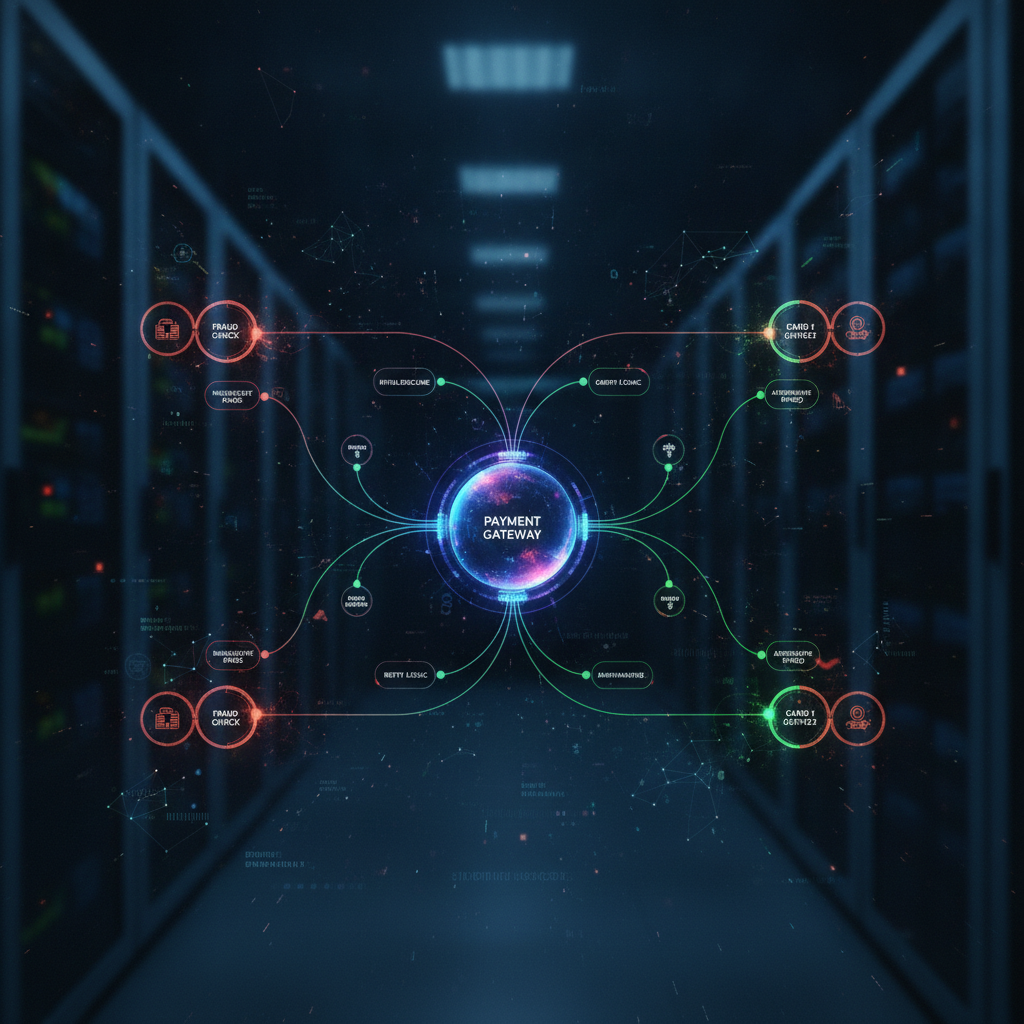
Why 30% of Merchants Struggle with Payment Failures
WRITTEN BY

Dylan Coombs
Citcon
Commercial Leader
Date
Oct 25, 2026
Subscribe to our interesting updates
SHARE ON
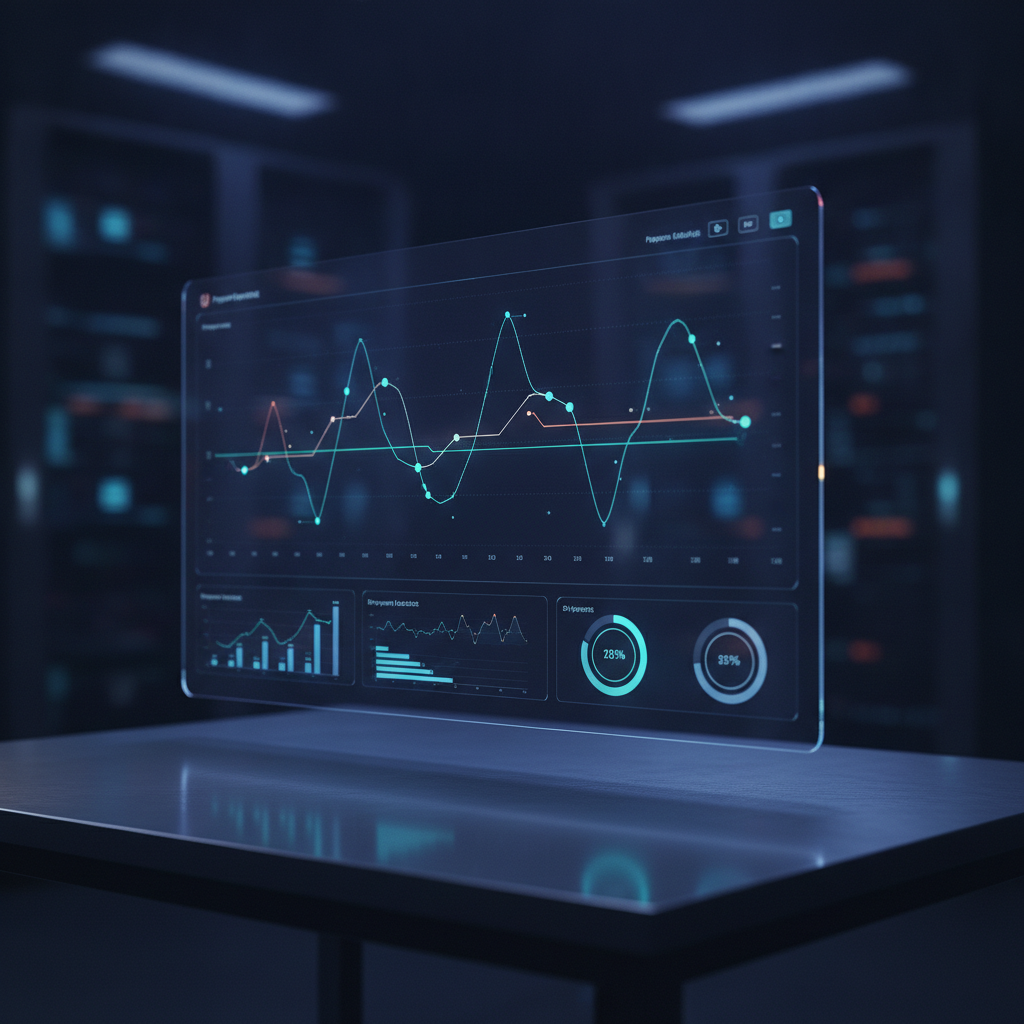
Merchants face significant challenges in forecasting payment failure rates, which can reach up to 30% across various channels in 2025. Predictive analytics offers a solution by leveraging historical transaction data to identify patterns that indicate potential payment failures.
What is predictive analytics: Predictive analytics refers to the use of statistical techniques and algorithms to analyze current and historical data to predict future outcomes.
The global digital payments market is expected to surpass $10 trillion by 2026, according to a report by Statista. However, as the volume of transactions increases, so does the complexity of payment processing. Merchants often encounter payment failures due to various factors, including insufficient funds, fraud detection, or technical glitches. Understanding these failure rates is critical for maintaining customer satisfaction and optimizing revenue streams.
Context
Predictive analytics significantly aids merchants in forecasting payment failure rates by channel. By analyzing transaction data, businesses can pinpoint specific channels with higher failure rates, allowing for targeted interventions.
In 2025, it was reported that 29% of all digital transactions faced some form of failure. This statistic highlights the urgency for merchants to adopt predictive analytics for better forecasting. For instance, merchants utilizing predictive analytics tools reported a 15% reduction in payment failures within six months of implementation.
- Enhanced Decision-Making: Predictive analytics provides actionable insights that help merchants make informed decisions regarding payment methods.
- Channel-Specific Insights: Merchants can identify which channels are most prone to payment failures, allowing for focused strategies.
- Cost Reduction: By minimizing payment failures, merchants can significantly reduce associated costs, improving overall profitability.
- Increased Customer Satisfaction: Fewer payment failures lead to better customer experiences, fostering loyalty.
Core Challenge
Forecasting payment failure rates presents a core challenge for many merchants. A failure to accurately predict these rates can lead to lost revenue and diminished customer trust.
According to a 2025 report by McKinsey, payment failures can cost merchants up to $20 billion annually. This staggering figure emphasizes the need for effective forecasting methods. Furthermore, the increase in online transactions, which rose by 25% in 2025, correlates with a rise in payment failures, underscoring the urgency for businesses to adopt predictive analytics.
Merchants often face several challenges that contribute to payment failures, including:
- Fraud Prevention Measures: While necessary, these measures can inadvertently block legitimate transactions.
- Technical Glitches: Outdated systems may struggle to handle high transaction volumes, leading to failures.
- Customer Behavior: Changes in consumer spending habits can affect payment success rates.
- Regulatory Changes: New compliance requirements can complicate payment processing.
How to Use Predictive Analytics to Forecast Payment Failure Rates
To effectively forecast payment failure rates, merchants should implement predictive analytics tools that leverage historical transaction data. These tools analyze patterns and provide forecasts based on various factors.
Steps to implement predictive analytics include:
- Data Collection: Gather historical transaction data across all channels.
- Choose Analytics Tools: Select predictive analytics solutions that fit your business needs.
- Model Building: Develop predictive models that account for various failure indicators.
- Testing and Iteration: Continuously test and refine your models for accuracy.
Deep Dive into Predictive Analytics Techniques
Several techniques within predictive analytics can help merchants forecast payment failure rates more effectively. These techniques include machine learning, regression analysis, and pattern recognition.
Machine learning algorithms can analyze vast datasets to identify trends that may not be immediately obvious. For example, a study by Forrester in 2025 found that machine learning models improved payment success rates by 18% when implemented effectively.
- Regression Analysis: This technique helps identify relationships between different variables affecting payment success, such as time of day and transaction size.
- Pattern Recognition: By recognizing patterns in historical data, merchants can predict future failures with greater accuracy.
- Anomaly Detection: This approach identifies outliers in transaction data that could indicate potential failures.
- Sentiment Analysis: Understanding customer sentiment can also provide insights into potential payment failures.
ROI and Business Case for Predictive Analytics
Investing in predictive analytics can yield significant returns for merchants. The initial investment is often outweighed by the savings generated from reduced payment failures.
A study by Deloitte in 2025 found that businesses implementing predictive analytics tools saw an average ROI of 500% within the first year. This impressive figure highlights the financial benefits of adopting these technologies.
- Reduced Operational Costs: Predictive analytics can lower costs associated with payment failures.
- Higher Revenue: By minimizing failures, businesses can maximize their revenue potential.
- Enhanced Customer Retention: Satisfied customers are more likely to return, driving long-term revenue growth.
- Competitive Advantage: Businesses that adopt predictive analytics gain a significant edge over competitors.
How Citcon Solves This
Citcon offers a comprehensive solution to help merchants forecast payment failure rates through a single API that integrates over 100 payment methods. This approach simplifies the payment process, reducing the likelihood of failures.
Additionally, Citcon supports Buy Now, Pay Later (BNPL) options and is compliant with PCI-DSS Level 1 standards, ensuring secure transactions and enhanced customer trust.
For more information on KYC requirements for merchants accepting digital wallets in 2026, see our article here. Also, learn about what CFOs need to know about Alipay merchant approval here.
What are the benefits of predictive analytics for merchants?
The benefits of predictive analytics for merchants include improved forecasting accuracy, reduced payment failures, and enhanced customer satisfaction.
How can predictive analytics reduce payment failures?
Predictive analytics reduces payment failures by identifying patterns that indicate potential issues, allowing merchants to address them proactively.
What data is needed for predictive analytics?
Merchants need historical transaction data, customer behavior data, and channel performance metrics to effectively utilize predictive analytics.
Is predictive analytics cost-effective for merchants?
Yes, predictive analytics is cost-effective, with businesses reporting an average ROI of 500% within the first year of implementation.
How does machine learning improve payment forecasting?
Machine learning improves payment forecasting by analyzing large datasets to identify trends and anomalies that traditional methods may miss.
What are the key challenges in implementing predictive analytics?
Key challenges include data quality issues, integration with existing systems, and the need for skilled personnel to analyze the data.
Key Takeaways
- Payment failures can reach 30%, making predictive analytics essential for merchants.
- Implementing predictive analytics can lead to a 15% reduction in payment failures.
- Businesses report an average ROI of 500% within the first year of using predictive analytics tools.
- Machine learning models can enhance payment success rates by 18% when effectively utilized.
- Citcon's API provides access to over 100 payment methods, reducing failure rates significantly.