Cross-Border Payment Settlement Insights for 2026
WRITTEN BY

Dylan Coombs
Citcon
Commercial Leader
Date
Jul 13, 2026
Subscribe to our interesting updates
SHARE ON

Cross-border payment settlement will see transformative changes by 2026, largely influenced by advancements in technology and evolving regulations. According to a report by McKinsey, the global cross-border payment market is projected to reach $250 billion by 2026.
What is cross-border payment settlement: Cross-border payment settlement refers to the process of completing financial transactions between parties in different countries.
The cross-border payment landscape is witnessing rapid growth, driven by increasing globalization and the rise of e-commerce. As of 2025, the global e-commerce market is expected to surpass $6 trillion, with cross-border transactions accounting for a significant portion of this growth. However, businesses face challenges like high transaction fees, regulatory complexities, and currency volatility. Understanding the intricacies of cross-border payment settlement is crucial for companies seeking to tap into international markets effectively.
Market Context
The cross-border payment settlement market is expanding rapidly, driven by both consumer demand and technological advancements. In 2026, it is estimated that cross-border transactions will make up about 30% of all e-commerce transactions.
With the rise of digital wallets and fintech solutions, businesses are increasingly looking for efficient ways to manage their international payments. The demand for faster, more secure transactions is pushing financial institutions to innovate. Additionally, regulatory changes in major markets are shaping how companies approach cross-border settlements.
- Rapid growth of e-commerce: Cross-border transactions are projected to drive significant revenue growth.
- Technological innovation: New payment technologies are simplifying the settlement process.
- Regulatory pressure: Compliance with international regulations is becoming increasingly important.
- Consumer expectations: Customers demand seamless and fast payment experiences.
The Core Challenge
The core challenge in cross-border payment settlement lies in navigating regulatory complexities and managing transaction costs. Businesses must contend with varying regulations, which can lead to delays and increased costs.
Transaction fees can eat into profit margins, with some estimates suggesting that businesses could lose up to 4% of revenue due to high payment processing fees. Furthermore, currency fluctuations can create financial risks that complicate pricing strategies for international sales.
How to Optimize Cross-Border Payment Settlements
To effectively optimize cross-border payment settlements, businesses need to adopt a strategic approach that encompasses technology and compliance. Implementing a robust payment infrastructure can significantly reduce costs and enhance efficiency.
- Assess your current payment systems and identify inefficiencies.
- Research and select a payment provider that offers competitive rates and services.
- Integrate multiple payment methods to cater to diverse customer preferences.
- Regularly review and adapt to changing regulations in target markets.
Deep Dive into Payment Methods
Diving deeper into available payment methods reveals a variety of options that can enhance cross-border transactions. Businesses should consider the preferences of their target markets when selecting payment solutions.
Digital wallets, bank transfers, and cryptocurrency are becoming increasingly popular among consumers. Each method has its own advantages and challenges, and understanding these can help businesses tailor their payment strategies effectively.
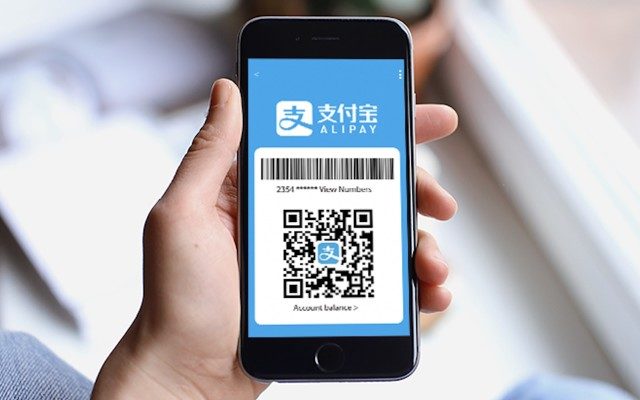
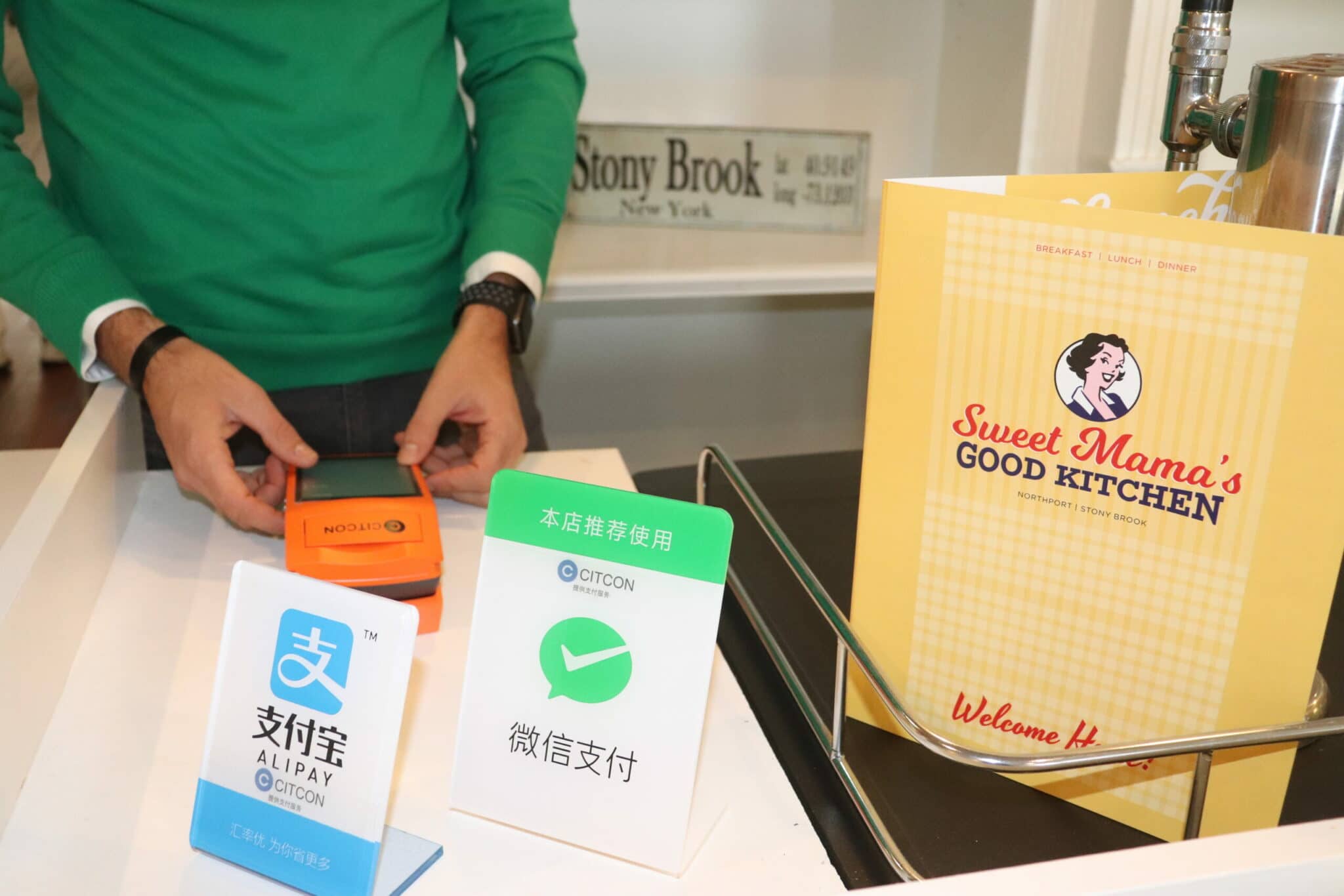
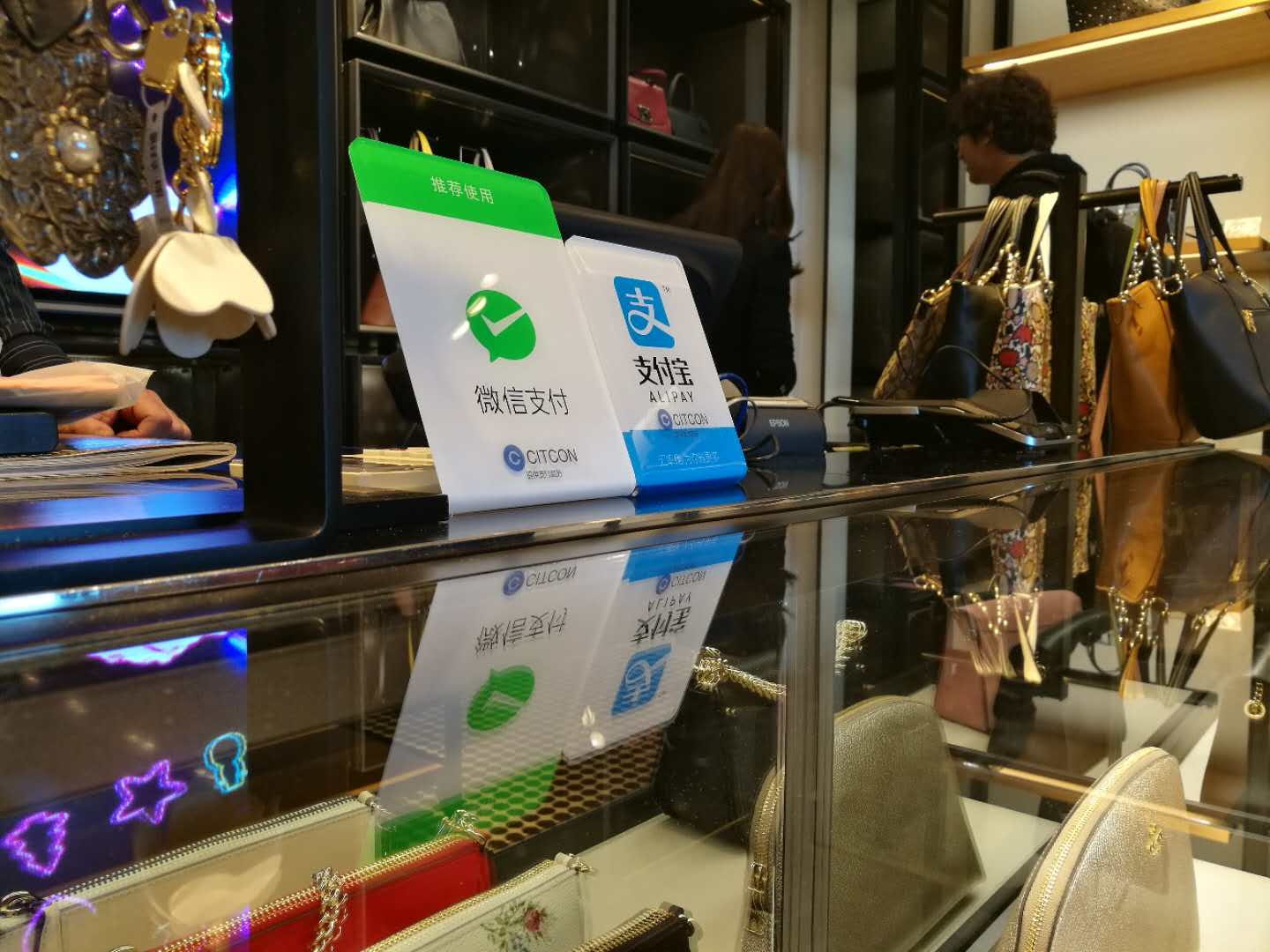
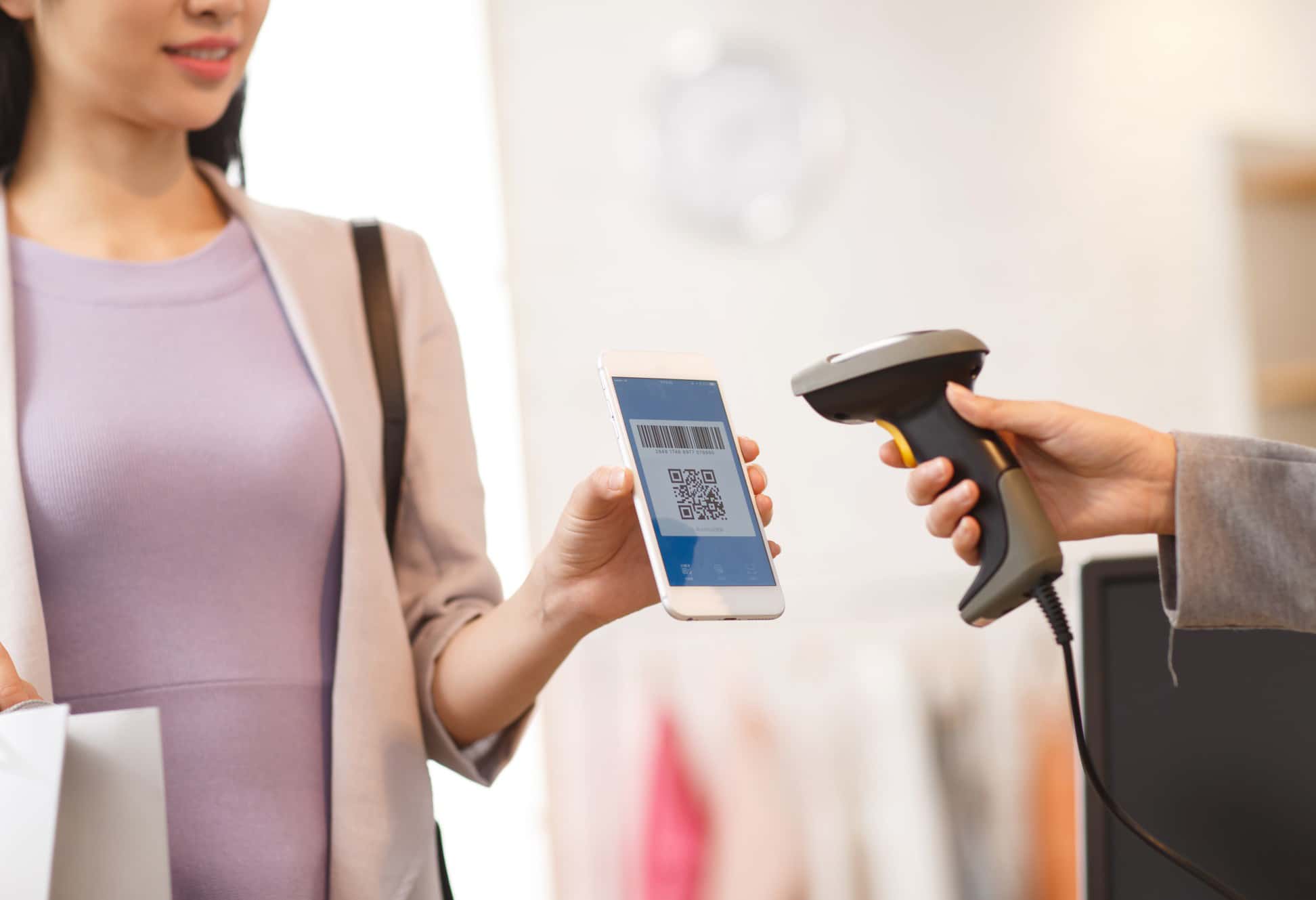
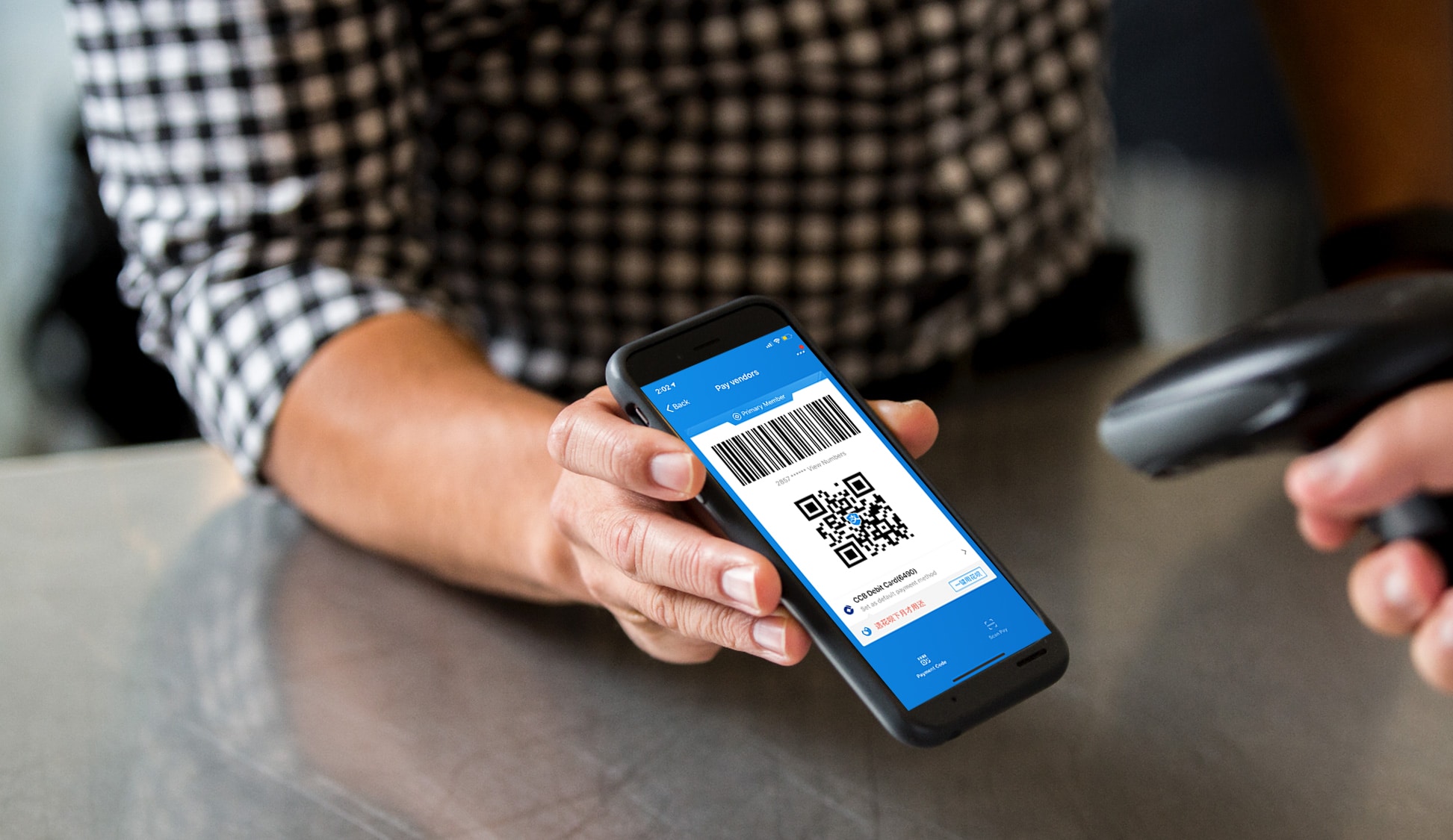
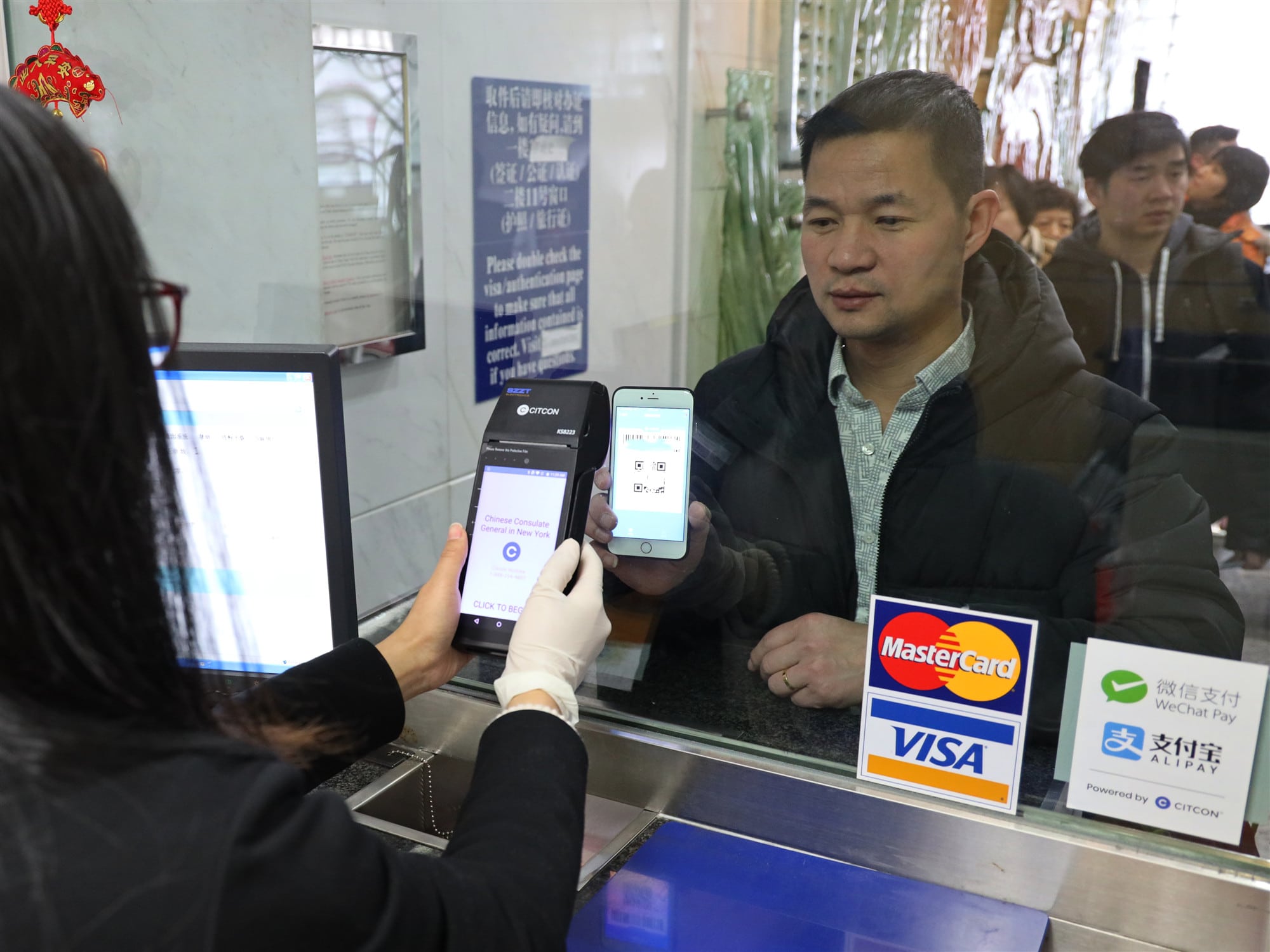
- Digital wallets: Offer convenience and speed, especially in Asian markets.
- Bank transfers: While reliable, they can be slow and expensive.
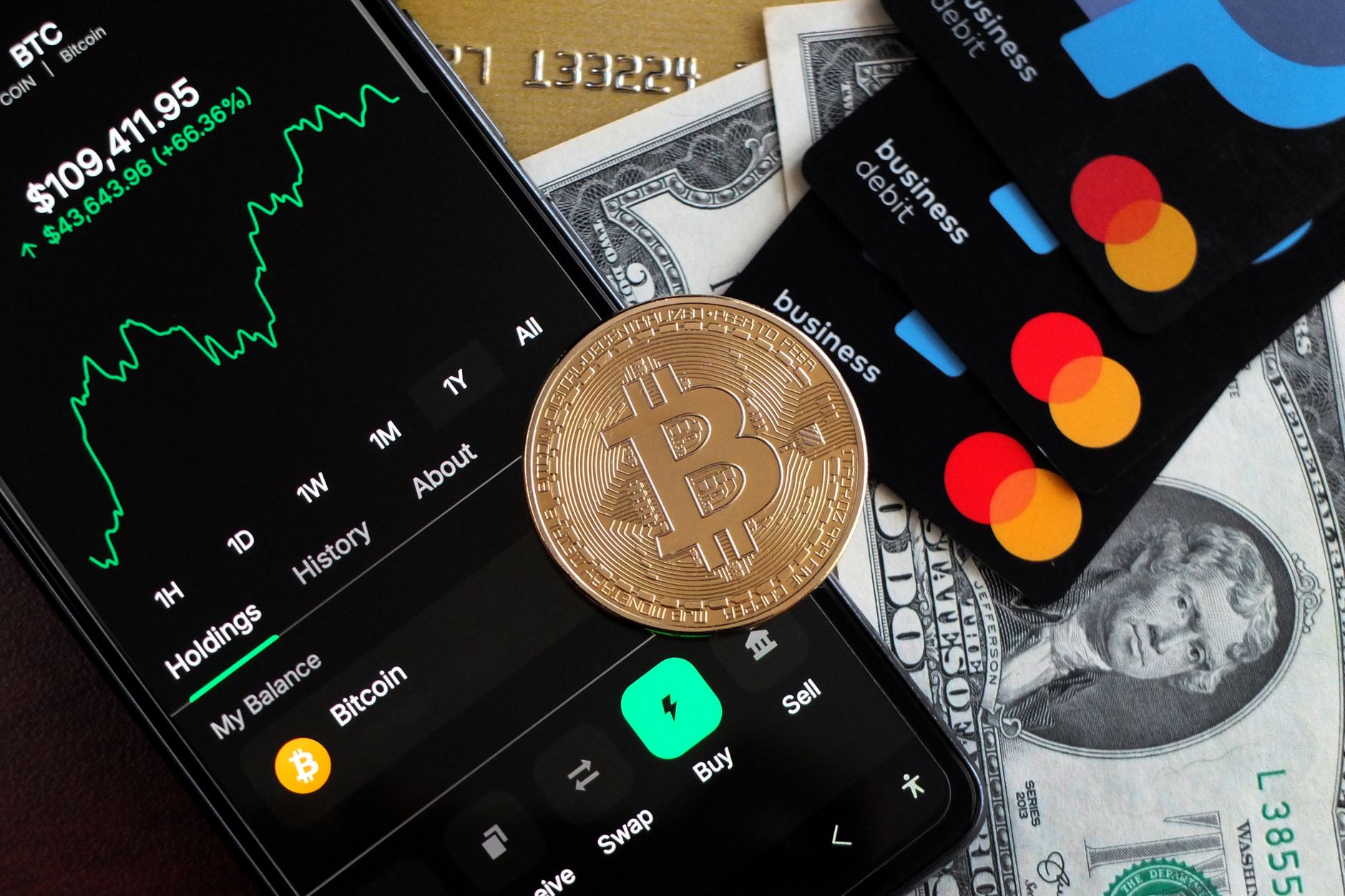
- Cryptocurrency: Provides a decentralized option, but regulatory uncertainty remains.
ROI and Business Case for Cross-Border Payments
The return on investment (ROI) for optimizing cross-border payment settlements can be significant. By reducing transaction costs and improving efficiency, companies can enhance their bottom line.
For instance, businesses that switch to a more efficient payment provider can save between 1% to 3% on transaction fees. Additionally, a smoother payment process can lead to increased customer satisfaction and retention.
- Cost savings: Switching providers can yield significant savings.
- Improved customer experience: Faster payments lead to happier customers.
- Market expansion: Effective payment strategies can open new international markets.
How Citcon Solves This
Citcon offers a single API that integrates over 100 payment methods from the Asia-Pacific region, allowing businesses to streamline their cross-border payment processes. This comprehensive solution simplifies the complexities of international transactions.
With services like Buy Now, Pay Later (BNPL) and compliance with PCI-DSS Level 1 standards, Citcon ensures that businesses can operate securely and efficiently in the global market.
For more insights, check out our related posts on how merchants reduce failed payments and how digital wallets are changing B2B payment workflows.
What are the key benefits of cross-border payment settlements?
The key benefits include increased market access, enhanced customer satisfaction, and reduced transaction costs. Businesses that optimize their cross-border payment processes can tap into new markets and improve their profit margins.
How do I choose the right payment provider for cross-border transactions?
Selecting the right payment provider involves evaluating transaction fees, available payment methods, and compliance with regulations. It's essential to choose a provider that aligns with your business needs and target markets.
Why does currency volatility matter in cross-border payments?
Currency volatility can impact profit margins and pricing strategies. Businesses must be aware of exchange rate fluctuations to mitigate financial risks in international transactions.
What is the role of technology in cross-border payments?
Technology plays a crucial role by facilitating faster, more secure transactions. Innovations like blockchain and AI are reshaping how cross-border payments are processed.
Which payment methods are most popular in international markets?
Digital wallets and bank transfers are among the most popular payment methods globally, with a growing interest in cryptocurrencies, especially in tech-savvy markets.
How can businesses reduce transaction costs in cross-border payments?
Businesses can reduce transaction costs by negotiating better rates with payment providers, leveraging technology, and optimizing their payment processes.
Key Takeaways
- Projected growth: The cross-border payment market will reach $250 billion by 2026.
- Transaction fees: Businesses could lose up to 4% of revenue due to high payment processing fees.
- Digital wallets: Are increasingly preferred in Asian markets for their convenience.
- ROI potential: Optimizing payment processes can save businesses 1% to 3% on transaction fees.





















.jpg)







.png)