Cross-Border Payment Settlement Trends in 2026
WRITTEN BY

Dylan Coombs
Citcon
Commercial Leader
Date
Jul 13, 2026
Subscribe to our interesting updates
SHARE ON
Cross-border payment settlement is a critical component of global commerce, and by 2026, the market is expected to reach $250 billion, growing at a rate of 11% annually.
What is cross-border payment settlement: Cross-border payment settlement refers to the process of transferring funds between entities in different countries, often involving multiple currencies and financial institutions.
The global landscape for cross-border payments is transforming rapidly due to increasing trade volumes, e-commerce growth, and technological advancements. According to a report by McKinsey & Company, the volume of cross-border payments is expected to reach $35 trillion by 2026, driven largely by the rise of digital transactions. However, businesses still face significant challenges in this area, including high fees, slow transaction times, and regulatory hurdles. In this article, we will explore the current state of cross-border payment settlements, the core challenges businesses encounter, and actionable strategies to streamline these processes.
Context
Cross-border payment settlement is becoming increasingly essential as businesses expand internationally. The rise of e-commerce has made it necessary for companies to accept payments from various regions seamlessly.
According to the World Bank, remittances alone reached $702 billion in 2025, highlighting the demand for efficient cross-border transactions. This demand is not limited to individuals; businesses are increasingly looking to tap into international markets. However, the complexities involved in currency conversion, compliance with local regulations, and differing payment standards can create significant obstacles.
- Increasing demand: The global e-commerce market is projected to reach $6.4 trillion by 2025.
- Technological advancements: Digital wallets and blockchain technology are reshaping payment systems.
- Regulatory challenges: Compliance with different jurisdictions can complicate transactions.
- Cost considerations: High transaction fees can erode profit margins for businesses.
Core Challenge
The primary challenge in cross-border payment settlement is the high cost associated with these transactions. Businesses often face fees that can range from 3% to 5% per transaction.
In addition to transaction fees, businesses must also contend with fluctuating exchange rates, which can further impact profitability. According to a report from Accenture, businesses lose an estimated $15 billion annually due to inefficiencies in cross-border payments. This figure underscores the importance of optimizing payment processes to maintain competitiveness in the global market.
- Transaction fees: Average fees for cross-border payments range from 3% to 5%.
- Exchange rate fluctuations: Currency volatility can lead to unexpected losses.
- Regulatory compliance costs: Navigating different regulations can be expensive.
- Transaction speed: Delays can lead to customer dissatisfaction.
How to Optimize Cross-Border Payment Settlements
To enhance cross-border payment settlements, businesses should consider adopting a multi-currency account system. This approach allows companies to hold and transact in multiple currencies, reducing conversion costs.
Additionally, leveraging payment processors that specialize in cross-border transactions can streamline operations. These processors often provide competitive rates and faster processing times. Steps to optimize cross-border payments include:
- Identify your target markets and their preferred payment methods.
- Implement a multi-currency account to minimize conversion fees.
- Choose a payment processor that specializes in cross-border transactions.
- Regularly review fees and exchange rates to ensure competitive pricing.
Deep Dive into Payment Methods
Understanding various payment methods is crucial for effective cross-border transactions. Businesses should be aware of the different options available, including credit cards, bank transfers, and digital wallets.
Each method comes with its own set of advantages and disadvantages, impacting transaction speed, fees, and user experience. For example, while credit cards are widely accepted, they often come with high fees. In contrast, digital wallets can offer lower fees and faster transactions but may not be as widely accepted.
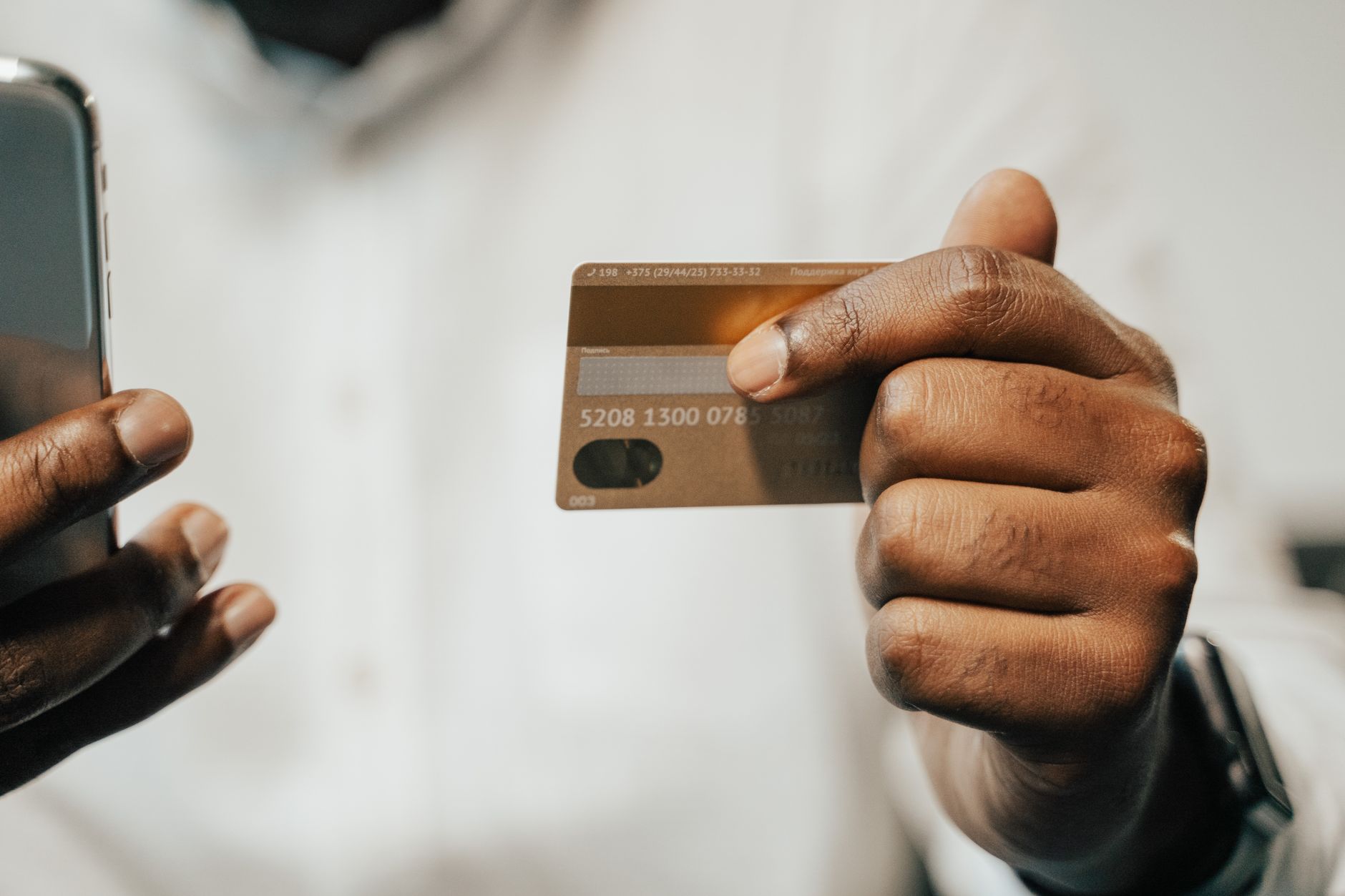
- Credit cards: High acceptance but often high fees.
- Bank transfers: Secure but can be slow and costly.
- Digital wallets: Faster and cheaper but may have limited acceptance.
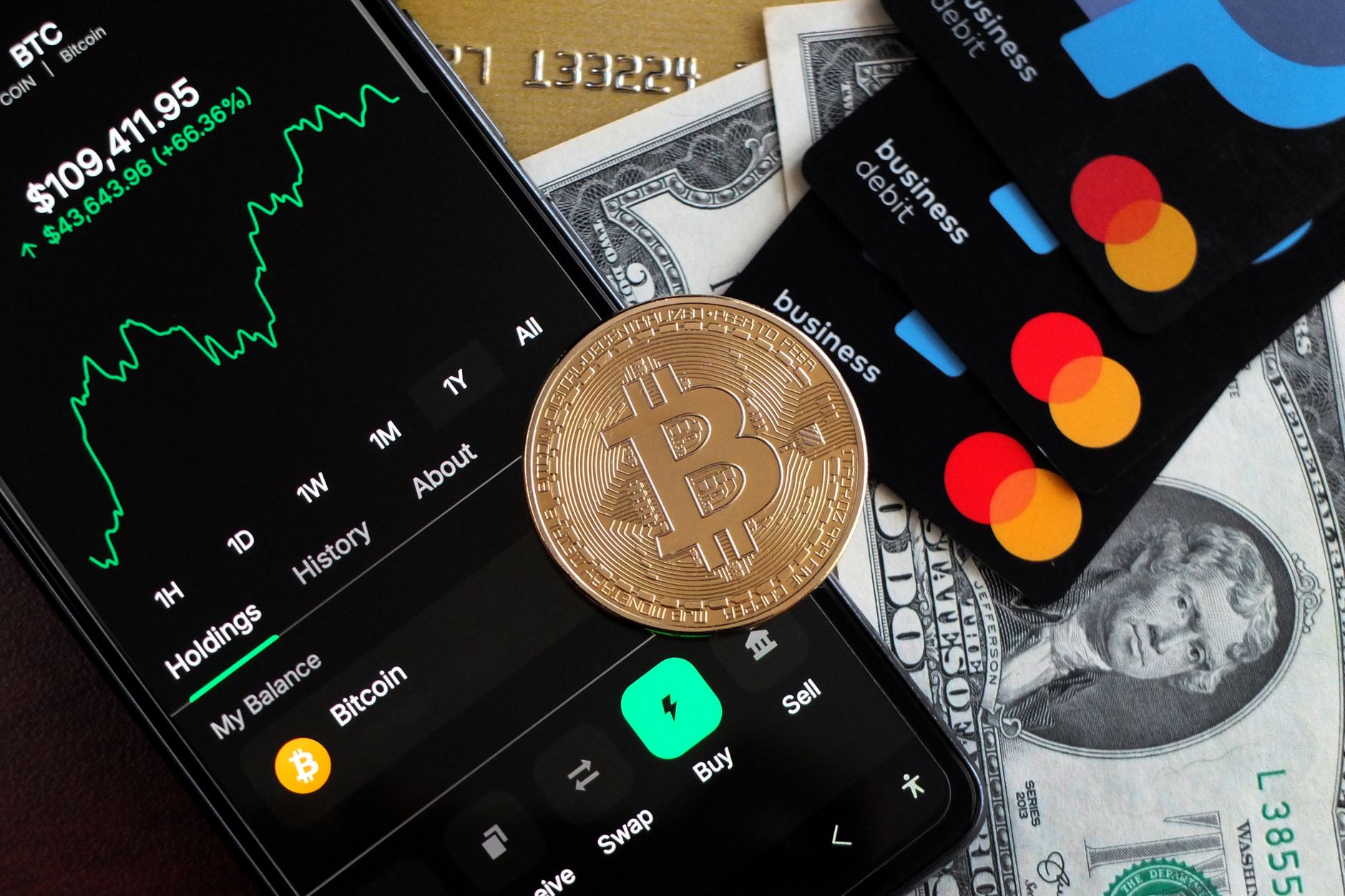
- Cryptocurrencies: Emerging option with potential for low fees.
ROI and Business Case for Optimizing Cross-Border Payments
Investing in efficient cross-border payment solutions can lead to significant returns on investment. By reducing transaction costs and improving processing times, businesses can enhance customer satisfaction and increase repeat purchases.
A study by Juniper Research indicates that companies that optimize their payment processes can improve their bottom line by up to 20% within two years. By investing in the right technology and processes, businesses can position themselves for success in the global marketplace.
- 20% ROI: Companies can see up to 20% improvement in profits.
- Increased customer satisfaction: Faster payments lead to happier customers.
- Market expansion: Efficient payments enable easier access to new markets.
- Competitive advantage: Streamlined processes can differentiate your business.
How Citcon Solves This
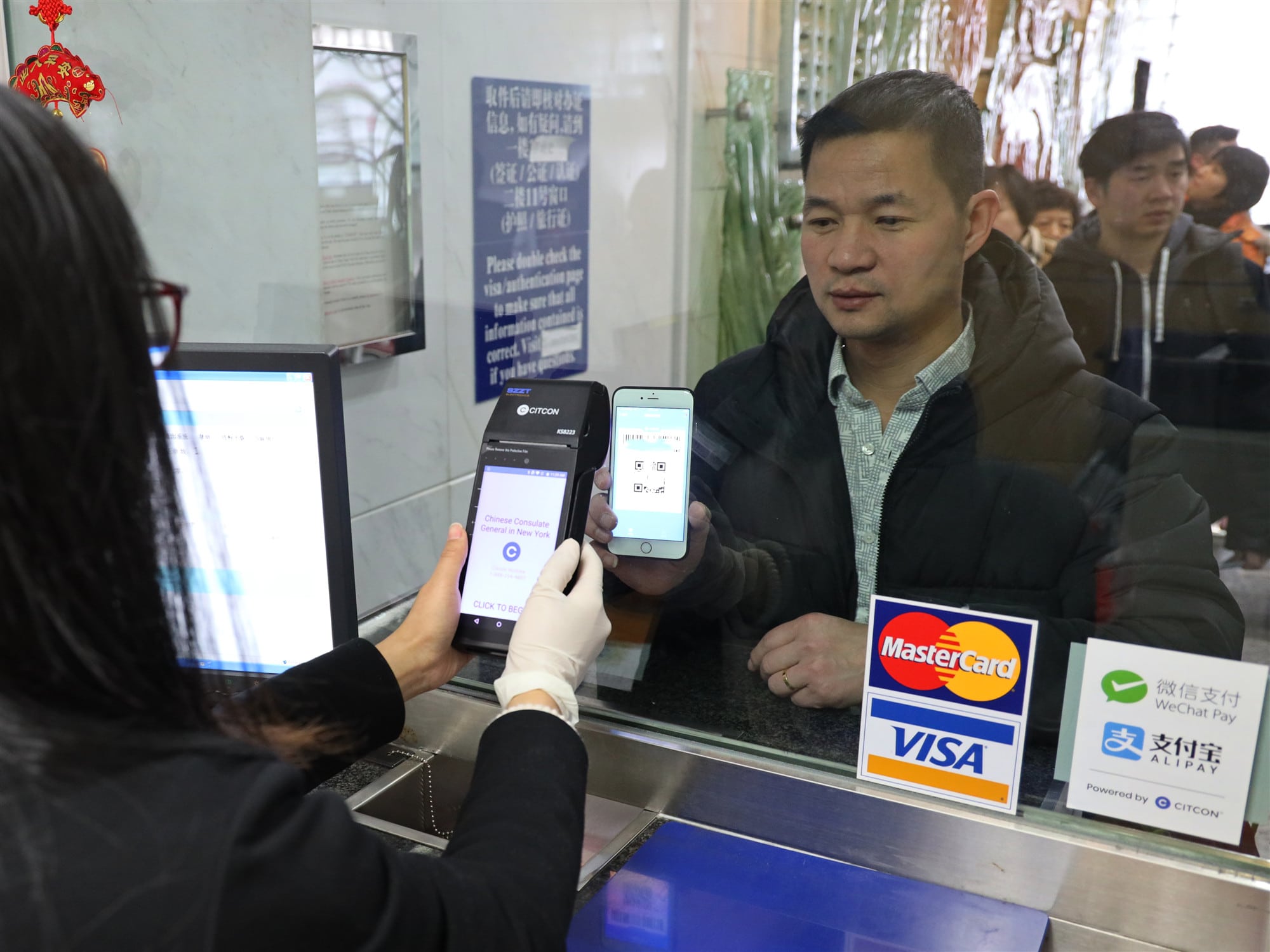
Citcon offers a single API solution that integrates over 100 payment methods, making cross-border payment settlements seamless and efficient. This allows businesses to accept payments from various regions without the hassle of multiple integrations.
Additionally, Citcon is PCI-DSS Level 1 compliant, ensuring that all transactions are secure and reliable. With options for Buy Now, Pay Later (BNPL), businesses can also provide flexible payment solutions to their customers, increasing conversion rates.
For further insights, you might find our related posts on “The Impact of Digital Wallets on Cross-Border Payments” and “How Blockchain is Changing Payment Landscapes” useful.
What are the latest trends in cross-border payment settlements?
The latest trends include the rise of digital wallets, blockchain technology, and an increasing focus on compliance and security.
How do transaction fees affect cross-border payments?
Transaction fees can significantly impact the cost of cross-border payments, often ranging from 3% to 5%.
What payment methods are best for international transactions?
Digital wallets and cryptocurrencies are increasingly favored for their lower fees and faster processing times.
How can I reduce costs in cross-border payments?
Implementing a multi-currency account and using specialized payment processors can help reduce costs.
What is the future of cross-border payments?
The future of cross-border payments is expected to be shaped by advancements in technology and increasing regulatory scrutiny.
How does Citcon enhance cross-border payment processes?
Citcon enhances processes through a single API that supports over 100 payment methods and offers BNPL options.
Key Takeaways
- Market growth: Cross-border payments expected to reach $35 trillion by 2026.
- Cost efficiency: Optimizing payments can lead to a 20% increase in profits.
- Technology adoption: Digital wallets and blockchain are key trends.
- Regulatory compliance: Understanding local laws is crucial for success.
























.jpg)







.png)