Navigating Payment Technology Advancements in 2026
WRITTEN BY

Dylan Coombs
Citcon
Commercial Leader
Date
Jul 5, 2026
Subscribe to our interesting updates
SHARE ON

The payment technology landscape in 2026 is characterized by rapid advancements and increased adoption of digital wallets and cross-border commerce solutions. Businesses must stay informed to remain competitive.
In 2026, global digital wallet transactions are expected to exceed $10 trillion, a significant increase from previous years, according to Statista. This surge is driven by consumer demand for convenience and the proliferation of smartphones. Additionally, cross-border commerce is projected to grow by 30% annually, as reported by McKinsey, highlighting the importance of seamless international payment solutions.
The rise of digital wallets and cross-border payments is reshaping the financial operations of businesses worldwide. Companies are increasingly leveraging these technologies to enhance customer experiences and streamline operations. As the payments industry continues to evolve, understanding the market context, challenges, and solutions is crucial for success.
Understanding the 2026 Payment Technology Market
The payment technology market in 2026 is dynamic, marked by significant growth and innovation. Key trends include the widespread adoption of digital wallets, the expansion of cross-border commerce, and the integration of advanced technologies like AI and blockchain.
Digital wallets are leading the charge in payment technology, with adoption rates soaring globally. The convenience and security they offer are driving consumer preference, as noted in a 2025 report by Worldpay. Meanwhile, cross-border payments are becoming increasingly important, with businesses seeking efficient ways to navigate international transactions.
- Digital Wallets: Expected to handle over $10 trillion in transactions by 2026.
- Cross-Border Commerce: Projected to grow by 30% annually.
- AI Integration: Enhancing fraud detection and customer personalization.
- Blockchain Technology: Improving transaction transparency and security.
- Regulatory Changes: Influencing payment technology adoption and innovation.
These trends highlight the need for businesses to adapt and integrate advanced payment solutions to remain competitive in a rapidly changing market.
Challenges in Adopting New Payment Technologies
While the benefits of new payment technologies are clear, businesses face several challenges in adopting them. One major issue is the complexity of integrating these technologies into existing financial systems. For CFOs, ensuring a seamless transition without disrupting operations is paramount.
Another challenge is compliance with ever-evolving regulatory requirements. As noted by Deloitte in 2025, staying compliant while adopting new technologies requires significant resources and expertise. Additionally, the threat of cyberattacks remains a constant concern, as highlighted by a 2026 report from PwC, emphasizing the need for robust security measures.
Businesses must also consider the cost of implementing new technologies. While the long-term benefits are substantial, the initial investment can be daunting. CFOs must weigh these costs against potential revenue gains and operational efficiencies.
Step-by-Step Guide to Implementing Payment Technologies
Successfully integrating new payment technologies requires a strategic approach. Here’s a step-by-step guide to help businesses navigate this process effectively:
- Assess Current Systems: Evaluate existing payment infrastructures to identify gaps and opportunities for improvement.
- Define Objectives: Establish clear goals for adopting new technologies, such as enhancing customer experience or reducing transaction costs.
- Select Technologies: Choose payment solutions that align with business objectives and customer needs.
- Plan Integration: Develop a detailed integration plan that minimizes disruption to current operations.
- Implement Security Measures: Ensure robust cybersecurity protocols are in place to protect against potential threats.
Following these steps can help businesses effectively integrate advanced payment technologies, ensuring a smooth transition and maximizing benefits.
Deep Dive into Digital Wallets and Cross-Border Commerce
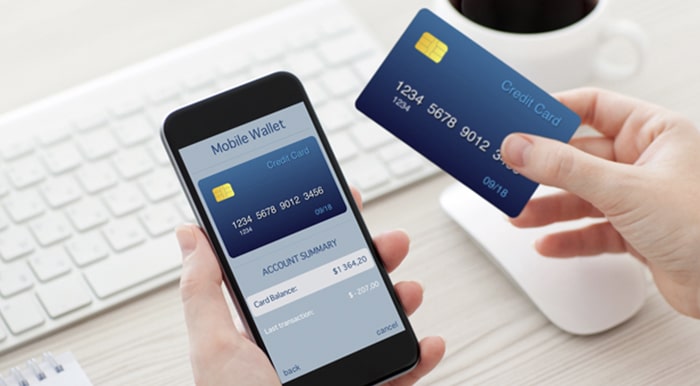
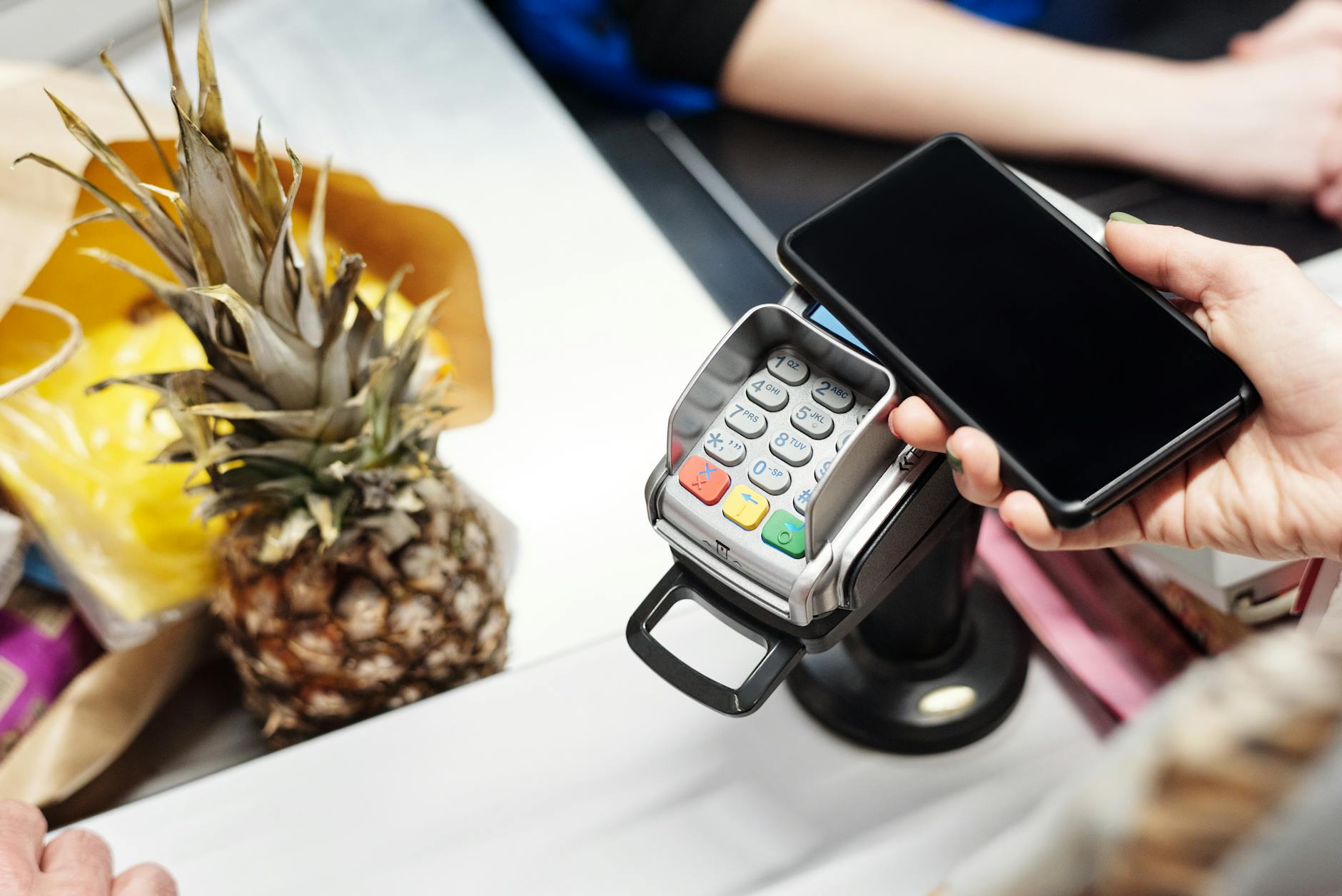
Digital wallets and cross-border commerce are at the forefront of payment technology advancements. Digital wallets offer unparalleled convenience, allowing consumers to make transactions with a few taps on their smartphones. This ease of use is driving their widespread adoption across the globe.
Cross-border commerce, on the other hand, presents both opportunities and challenges for businesses. As global trade continues to expand, the need for efficient international payment solutions becomes increasingly critical. According to a 2026 report by Javelin, businesses that adopt advanced cross-border payment technologies can significantly reduce transaction times and costs.
- Consumer Adoption: Digital wallets are used by over 60% of smartphone users worldwide.
- Transaction Efficiency: Cross-border payment solutions reduce transaction times by up to 50%.
- Cost Savings: Businesses can save up to 30% on international transaction fees.
- Market Expansion: Access to new markets through seamless cross-border payments.
Understanding these technologies and their impact on business operations is crucial for companies looking to thrive in the modern payments landscape.
The ROI of Advanced Payment Technologies
Adopting advanced payment technologies can lead to significant returns on investment (ROI) for businesses. According to Accenture's 2025 analysis, companies that integrate digital wallets and cross-border payment solutions can expect a revenue uplift of up to 20%.
Additionally, the cost savings associated with these technologies are substantial. By reducing transaction fees and improving operational efficiencies, businesses can achieve cost reductions of up to 25%. This dual benefit of increased revenue and decreased costs makes the adoption of advanced payment technologies a compelling proposition.
- Revenue Uplift: Up to 20% increase from enhanced customer experiences and expanded market reach.
- Cost Reduction: Savings of up to 25% through streamlined operations and lower transaction fees.
- Customer Retention: Improved satisfaction and loyalty from seamless payment experiences.
- Competitive Advantage: Staying ahead of competitors by leveraging cutting-edge technologies.
These benefits underscore the importance of embracing payment technology advancements in 2026.
Citcon's Comprehensive Payment Solutions
Citcon offers a comprehensive suite of payment solutions designed to meet the diverse needs of businesses in 2026. With a single API, businesses can access over 100 payment methods, including popular digital wallets and Buy Now, Pay Later (BNPL) options. This flexibility ensures that companies can cater to a wide range of customer preferences.
Citcon's solutions are particularly beneficial for businesses operating in the APAC region, where digital wallets are prevalent. By supporting local payment methods, Citcon enables seamless transactions, enhancing the customer experience. Moreover, Citcon's PCI-DSS Level 1 compliance ensures the highest level of security for all transactions.
With Citcon, businesses can confidently navigate the evolving payment landscape, leveraging advanced technologies to drive growth and efficiency.
Frequently Asked Questions
What are the benefits of digital wallets in 2026?
Digital wallets offer convenience, security, and speed, making them a preferred payment method for consumers. In 2026, their adoption is expected to increase, with over 60% of smartphone users utilizing them, as reported by Statista.
How does cross-border commerce impact businesses?
Cross-border commerce allows businesses to expand their market reach and access new customer bases. According to McKinsey's 2025 report, companies engaging in cross-border trade can achieve a 30% annual growth rate.
What challenges do businesses face with new payment technologies?
Challenges include integration complexities, regulatory compliance, and cybersecurity threats. As noted by Deloitte in 2025, overcoming these challenges requires strategic planning and investment.
How can businesses ensure compliance with payment regulations?
Staying informed about regulatory changes and investing in compliance solutions are essential. According to PwC's 2026 report, businesses that prioritize compliance can avoid costly penalties and enhance their reputation.
What role does AI play in payment technology?
AI enhances fraud detection, customer personalization, and operational efficiencies. In 2026, its integration is expected to increase, offering businesses a competitive edge, as highlighted by a 2025 study from Bain.
Why is cybersecurity important in payment technology?
Cybersecurity protects sensitive financial data from breaches and fraud. A 2026 report by Accenture emphasizes the importance of robust security measures to maintain consumer trust and prevent financial losses.
How does Citcon support businesses in the APAC region?
Citcon offers tailored payment solutions that support local digital wallets and payment methods prevalent in the APAC region. This capability enhances transaction efficiency and customer satisfaction.
What is the ROI of adopting advanced payment technologies?
Companies can expect a revenue uplift of up to 20% and cost reductions of up to 25%, according to Accenture's 2025 analysis. These benefits make the investment in payment technologies highly attractive.
Key Takeaways
- Digital Wallets: Essential for modern consumer preferences, with significant adoption expected in 2026.
- Cross-Border Commerce: Offers growth opportunities through expanded market access.
- ROI: Advanced payment technologies provide substantial revenue uplift and cost savings.
- Citcon Solutions: Comprehensive offerings for seamless integration and security.
- Future-Proofing: Staying ahead of trends with strategic technology adoption.
















.jpg)







.png)